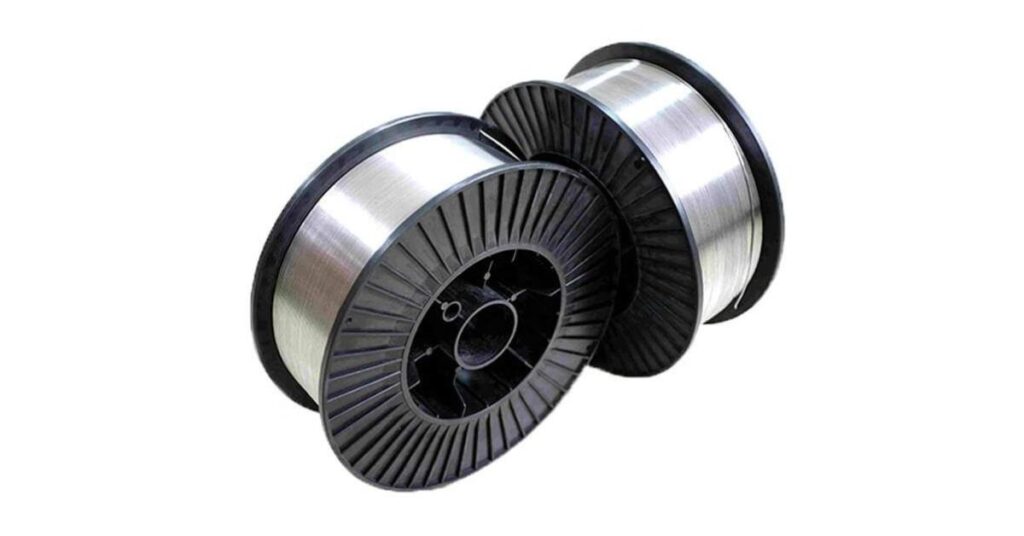
Inconel 625 filler wire is a premium welding consumable manufactured from a nickel-based superalloy designed to perform in the most demanding service environments. Known for its exceptional resistance to corrosion, oxidation, and high-temperature degradation, this filler wire is widely used in critical welding applications across aerospace, marine, oil and gas, chemical processing, and power generation industries. Its ability to maintain strength and structural integrity under extreme mechanical and thermal conditions makes it one of the most reliable filler materials available today.
Alloy Composition and Metallurgy
The superior performance of Inconel 625 filler wire is a direct result of its carefully balanced chemical composition. Nickel serves as the primary base element, providing excellent ductility and resistance to high-temperature creep. Chromium enhances oxidation resistance and protects the weld metal from corrosive environments. Molybdenum and niobium contribute to solid-solution strengthening, improving resistance to pitting, crevice corrosion, and stress corrosion cracking.
Unlike precipitation-hardened alloys, Inconel 625 achieves its strength without heat treatment. This characteristic reduces the risk of weld cracking and distortion, making the filler wire easier to use in complex fabrication projects.
Mechanical and Physical Properties
Inconel 625 filler wires exhibit outstanding mechanical properties over a wide temperature range. They offer high tensile and yield strength while retaining excellent toughness and ductility. The alloy performs well at cryogenic temperatures and maintains mechanical stability at elevated temperatures exceeding 1000°C.
Key properties include:
-
High resistance to fatigue and thermal fatigue
-
Excellent creep strength
-
Superior impact resistance
-
Stability under cyclic loading conditions
These characteristics ensure long-term performance and reliability in high-stress industrial applications.
Corrosion and Oxidation Resistance
One of the most significant advantages of Inconel 625 filler wire is its exceptional corrosion resistance. It performs extremely well in aggressive environments containing chlorides, seawater, acids, and alkaline solutions. The alloy resists pitting, crevice corrosion, and intergranular attack, even under high pressures and temperatures.
In marine and offshore environments, Inconel 625 welds remain stable despite constant exposure to saltwater and humidity. In chemical processing plants, the filler wire withstands harsh chemicals without compromising weld integrity.
Welding Characteristics and Compatibility
Inconel 625 filler wire offers excellent weldability and is compatible with several welding processes, including Gas Tungsten Arc Welding (GTAW/TIG), Gas Metal Arc Welding (GMAW/MIG), Plasma Arc Welding (PAW), and Laser Welding. It produces smooth, clean weld beads with minimal spatter and porosity.
A major advantage of this filler wire is its suitability for welding dissimilar metals. It is commonly used to join nickel alloys to stainless steels, carbon steels, and low-alloy steels. The filler’s resistance to hot cracking and solidification cracking improves weld reliability, especially in complex or multi-pass welds.
Industrial Applications
Due to its exceptional performance, Inconel 625 filler wire is used in a wide range of industries:
Aerospace Industry:
Used in aircraft engine components, exhaust systems, and turbine parts where high strength and temperature resistance are critical.
Oil and Gas Industry:
Applied in pipelines, offshore platforms, subsea equipment, and valves exposed to high pressure and corrosive fluids.
Chemical Processing:
Utilized in reactors, heat exchangers, pressure vessels, and storage tanks handling aggressive chemicals.
Marine Engineering:
Ideal for seawater piping systems, ship components, and desalination plants requiring corrosion resistance.
Power Generation:
Used in nuclear reactors, boilers, heat recovery systems, and gas turbines where thermal stability is essential.
Advantages Over Conventional Filler Materials
Compared to standard stainless steel or carbon steel filler wires, Inconel 625 offers significantly improved performance in extreme environments. Its long service life reduces maintenance costs and downtime, while its resistance to corrosion minimizes the risk of weld failure. The filler wire also maintains consistent mechanical properties across varying temperatures, ensuring reliable operation under fluctuating conditions.
Additionally, the absence of post-weld heat treatment requirements simplifies fabrication and reduces overall project costs.
Storage and Handling Guidelines
To ensure optimal welding performance, Inconel 625 filler wires should be stored in a clean, dry environment away from moisture, oil, and contaminants. Proper handling prevents surface contamination, which can lead to weld defects such as porosity or cracking. Clean gloves and dedicated storage containers are recommended for best results.
Conclusion
Inconel 625 filler wire stands as one of the most versatile and dependable welding consumables available for high-performance industrial applications. Its exceptional mechanical strength, outstanding corrosion resistance, and superior weldability make it an ideal choice for demanding environments where safety and durability are critical. By selecting Inconel 625 filler wire, manufacturers and engineers can ensure long-lasting, high-quality welds that perform reliably under extreme conditions.