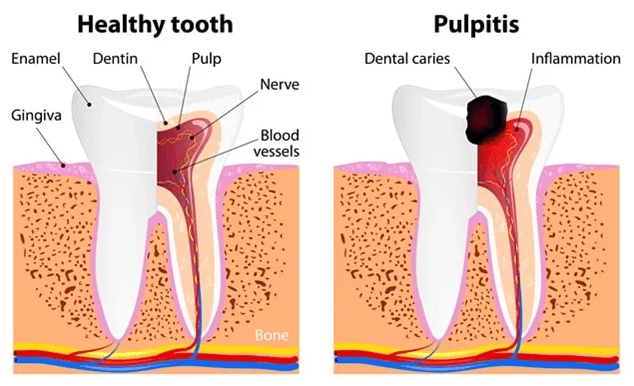
Irreversible Pulpitis
When it comes to dental health, recognizing serious conditions early is crucial. One such condition is Irreversible Pulpitis, a severe inflammation of the dental pulp that can lead to intense pain and long-term dental issues if untreated. Understanding the treatment options available is essential for maintaining optimal oral health and preventing further complications. In this comprehensive guide, we will explore the causes, symptoms, and treatment strategies for Irreversible Pulpitis while offering practical guidance to support overall oral hygiene.
Understanding Irreversible Pulpitis
Irreversible Pulpitis is a condition where the dental pulp—the innermost part of the tooth containing nerves and blood vessels—becomes inflamed beyond repair. Unlike reversible pulpitis, which can heal with minor interventions, Irreversible Pulpitis requires immediate professional treatment. The condition often results from untreated cavities, deep tooth decay, or repeated dental trauma. Patients typically experience severe tooth pain, heightened sensitivity to hot or cold stimuli, and discomfort while chewing.
The progression of Irreversible Pulpitis can lead to the death of the pulp tissue, increasing the risk of infection spreading to surrounding tissues. Therefore, prompt diagnosis and treatment are critical to preserving oral health and preventing tooth loss.
Common Causes of Irreversible Pulpitis
Several factors contribute to the development of Irreversible Pulpitis, including:
-
Deep Dental Cavities – Untreated cavities can penetrate the enamel and dentin, reaching the pulp and causing severe inflammation.
-
Cracked or Fractured Teeth – Damage to the tooth structure allows bacteria to enter the pulp chamber.
-
Repeated Dental Procedures – Multiple restorative treatments on the same tooth can irritate the pulp over time.
-
Trauma or Injury – Physical impact to the teeth may cause pulp inflammation or necrosis.
Understanding these causes allows patients to take preventive measures, reducing the likelihood of developing Irreversible Pulpitis.
Recognizing Symptoms Early
Identifying Irreversible Pulpitis early can significantly improve treatment outcomes. Common signs include:
-
Persistent and severe toothache that worsens at night
-
Sensitivity to hot, cold, or sweet foods
-
Pain while biting or chewing
-
Swelling around the affected tooth
While these symptoms may resemble other dental issues, a dentist can confirm the diagnosis through clinical examination and X-rays. Early detection is essential, as delayed treatment can lead to abscess formation or tooth loss. Alongside professional care, following general Dental Care Tips such as brushing twice daily, flossing, and regular check-ups can help maintain pulp health.
Treatment Options for Irreversible Pulpitis
Once diagnosed, Irreversible Pulpitis cannot heal on its own, and the treatment approach depends on the severity of the inflammation. The primary treatment options include:
1. Root Canal Therapy
Root canal therapy is the most common treatment for Irreversible Pulpitis. The procedure involves removing the inflamed or infected pulp, cleaning the interior of the tooth, and sealing it to prevent further infection. This treatment preserves the tooth structure and relieves pain effectively.
2. Pulpotomy or Pulpectomy
In certain cases, especially for younger patients, a partial removal of the pulp (pulpotomy) or complete removal (pulpectomy) may be recommended. These procedures aim to save the remaining healthy tooth structure while addressing inflammation.
3. Tooth Extraction
When the damage is extensive and the tooth cannot be saved, extraction becomes necessary. Post-extraction, options such as dental implants, bridges, or partial dentures can restore function and aesthetics.
Post-Treatment Care for Optimal Recovery
After undergoing treatment for Irreversible Pulpitis, proper care is crucial to prevent complications and ensure long-term success. Some essential post-treatment care steps include:
-
Avoiding hard or chewy foods for a few days
-
Taking prescribed pain medication or antibiotics if necessary
-
Practicing meticulous oral hygiene, including brushing with a soft-bristled toothbrush
-
Scheduling follow-up visits to monitor healing
Following these guidelines helps reduce discomfort, prevent infection, and maintain the health of the surrounding teeth and gums.
Preventive Strategies to Avoid Irreversible Pulpitis
Prevention is always better than cure. Maintaining good oral hygiene and addressing dental issues promptly can significantly reduce the risk of developing Irreversible Pulpitis. Key preventive measures include:
-
Regular dental check-ups every six months
-
Immediate treatment of cavities and cracked teeth
-
Using fluoride toothpaste to strengthen enamel
-
Limiting sugary foods and beverages that promote decay
Adhering to these strategies allows patients to protect the dental pulp and maintain overall oral health.
Role of Diet and Lifestyle in Dental Health
Diet and lifestyle choices play a crucial role in preventing conditions like Irreversible Pulpitis. Consuming a balanced diet rich in vitamins and minerals strengthens teeth and gums, making them more resistant to decay and infection. Avoiding excessive sugar, smoking, and acidic beverages can also reduce the risk of pulp inflammation. Integrating these practices into daily life complements professional dental care and supports long-term oral health.
When to Seek Immediate Dental Attention
Recognizing when to seek professional help is vital in managing Irreversible Pulpitis effectively. Immediate attention should be sought if:
-
Tooth pain is persistent or severe
-
Swelling or pus is present around the tooth
-
There is difficulty eating or speaking due to pain
-
Symptoms do not improve with over-the-counter pain relief
Prompt intervention prevents the condition from progressing to more serious infections, including abscesses or systemic complications.
Conclusion
Irreversible Pulpitis is a serious dental condition that requires prompt professional treatment to relieve pain and preserve tooth function. From root canal therapy to extraction, treatment options vary depending on the severity of pulp damage. Coupled with proper post-treatment care, preventive strategies, and adherence to Dental Care Tips, patients can significantly reduce the risk of complications and maintain long-term oral health. Understanding this condition and acting swiftly ensures a healthy smile and prevents the severe consequences of untreated dental pulp inflammation.