xr:d:DAF4QCUfMXM:19,j:6738924640837589131,t:23122809
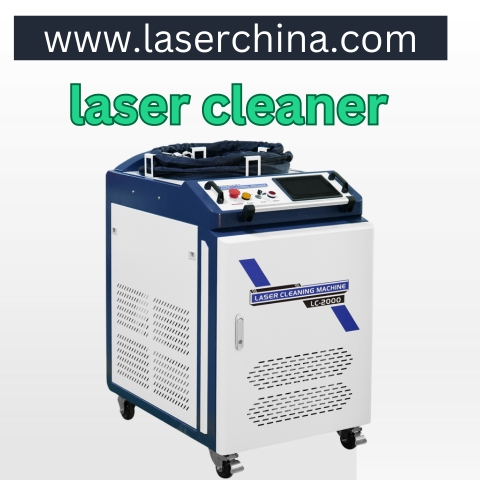
In modern industrial environments, the laser cleaner has emerged as a pivotal tool that redefines surface preparation, precision cleaning, and maintenance practices across multiple sectors. Unlike traditional cleaning methods, which often rely on chemicals, abrasives, or high-pressure systems, laser cleaning employs concentrated light energy to remove contaminants from surfaces with unmatched accuracy and efficiency. This technology has revolutionized industries ranging from automotive to aerospace, providing a sustainable, precise, and highly controllable solution to surface preparation and maintenance challenges.
Laser cleaners operate on the principle of selective photothermal or photomechanical ablation, where laser energy targets unwanted materials such as rust, paint, oxide layers, grease, or dirt. The laser beam interacts with the surface, breaking down the contaminants without physically damaging the underlying material. This precision ensures minimal waste and maximizes the longevity of the substrate, a crucial factor in industries where material integrity is paramount. For example, in aerospace applications, even minor imperfections on critical components can compromise safety. Laser cleaning provides a meticulous approach to surface preparation, ensuring that each part meets exacting standards.
One of the most significant impacts of laser cleaning is its contribution to environmental sustainability. Traditional cleaning methods often involve harsh chemicals, solvents, or abrasive blasting media that can harm the environment and pose health risks to operators. Laser cleaning, in contrast, is a dry, contactless process that eliminates the need for chemical agents and reduces hazardous waste generation. Industrial facilities can significantly decrease their environmental footprint while maintaining high standards of cleanliness and surface preparation. Moreover, the technology reduces water consumption and airborne particulate matter, further contributing to eco-friendly operations.
In the automotive sector, laser cleaners are instrumental in paint stripping, weld seam cleaning, and rust removal. Vehicles require precise surface treatment before coating or assembly to ensure paint adhesion, structural integrity, and overall durability. Laser cleaning enables precise removal of coatings or contaminants without harming underlying metal surfaces. This not only enhances the quality of the final product but also reduces rework, saving time and costs for manufacturers. Additionally, laser cleaning can be integrated into automated production lines, offering high-speed processing with consistent results, which is essential for large-scale automotive manufacturing.
The aerospace industry also benefits extensively from laser cleaning technology. Components made of advanced alloys, composites, and titanium require meticulous preparation for bonding, coating, or repair. Laser cleaners remove oxidation, residues, and coatings with high precision, ensuring optimal performance and longevity of aircraft parts. The non-contact nature of the process prevents damage to delicate or lightweight materials, which is critical in aerospace engineering. Laser cleaning is also applied in maintenance operations, where removing corrosion or buildup from aircraft surfaces can extend the life of components and reduce the frequency of costly replacements.
In addition to automotive and aerospace applications, laser cleaners are widely used in electronics manufacturing, cultural heritage conservation, and medical device production. In electronics, laser cleaning prepares printed circuit boards and micro-components by removing fine debris without affecting sensitive structures. In cultural heritage preservation, lasers delicately remove dirt, soot, or old coatings from historical artifacts, sculptures, and paintings, allowing restorers to preserve original details. The precision of laser cleaning ensures that the underlying material is not damaged, which is crucial for the integrity of priceless cultural artifacts. Similarly, in the medical field, laser cleaning ensures the sterilization and surface preparation of surgical instruments and implants, enhancing safety and compliance standards.
Laser cleaning technology has also seen rapid advancements in portability and user-friendly operation. Modern laser cleaners are compact, lightweight, and easily adjustable, making them suitable for both in-factory and on-site applications. Handheld laser units allow technicians to reach intricate areas, corners, or irregular surfaces that traditional methods cannot efficiently clean. Industrial-grade systems are designed for high-speed, automated cleaning of large surfaces, while portable models provide flexibility for field maintenance. This versatility broadens the range of applications, enabling industries to tackle diverse cleaning challenges without relying on multiple specialized tools.
Safety and precision are central to the design of laser cleaning systems. Operators can control parameters such as laser intensity, pulse duration, and scanning speed to match specific cleaning requirements. Advanced systems incorporate vision guidance and automated scanning to optimize cleaning paths and ensure consistent results. Unlike abrasive or chemical methods, laser cleaning minimizes risks associated with surface damage, operator exposure to harmful substances, or excessive material loss. This precision fosters confidence in industries that demand high-quality standards, including aerospace, automotive, and electronics manufacturing.
The integration of laser cleaners into manufacturing and maintenance workflows has economic advantages as well. By reducing the need for consumables, minimizing downtime, and improving overall process efficiency, laser cleaning contributes to cost savings over time. Companies can optimize their production lines, enhance product quality, and extend the lifespan of machinery and components. This makes laser cleaning not just a technological innovation but also a strategic investment for businesses seeking sustainable and efficient operations.
As the technology continues to evolve, laser cleaning systems are becoming more versatile, powerful, and energy-efficient. New developments in fiber lasers, scanning optics, and automated control systems have expanded the range of applications, enabling faster cleaning cycles and higher precision. Industries are adopting laser cleaning not only for operational efficiency but also as part of environmental compliance and workplace safety initiatives. The adaptability of laser cleaning technology ensures that it remains a valuable tool across a broad spectrum of industrial and commercial sectors.
Final Thoughts:
The laser cleaner represents a transformative approach to surface treatment, combining precision, efficiency, and sustainability. Its ability to address complex cleaning challenges across multiple industries has made it an indispensable tool for modern manufacturing, maintenance, and restoration operations. By embracing laser cleaning, industries can enhance product quality, reduce environmental impact, and optimize operational efficiency, paving the way for smarter, cleaner, and more sustainable industrial practices.