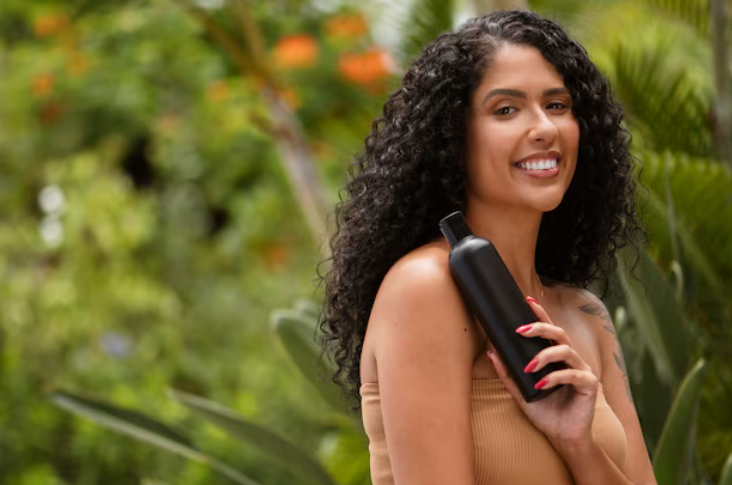
Fine hair can be a beauty challenge. While it can look soft and delicate, it is also prone to tangling, breakage, and appearing flat or lifeless. Choosing the right conditioner is crucial to maintain volume, shine, and overall health without weighing your hair down. However, the search for an affordable, lightweight conditioner for fine hair that actually works can feel overwhelming. This guide will help you understand what to look for, how to use it, and why certain products stand out.
Understanding Fine Hair and Its Needs
Fine hair refers to strands that are smaller in diameter, making them appear thin and fragile. People with fine hair often struggle with:
-
Flatness: Hair can lack volume and body, especially near the roots.
-
Tangles: Fine strands can knot easily, causing breakage during brushing.
-
Oiliness: Fine hair tends to get greasy faster because sebum spreads more easily along thinner strands.
-
Damage: With less structure, fine hair is more vulnerable to heat styling, coloring, and environmental stressors.
To address these challenges, conditioners need to be lightweight, nourishing, and non-greasy. A heavy, rich conditioner may leave fine hair looking limp and oily rather than soft and vibrant.
What Makes a Conditioner “Lightweight”?
Lightweight conditioners are specifically formulated to provide moisture without adding weight. The key characteristics include:
-
Water-Based Formula: Fine hair benefits from hydrating ingredients that penetrate without coating the hair excessively.
-
Silicone-Free or Light Silicones: Heavy silicones can weigh down hair. Look for light alternatives like dimethicone copolyol or cyclopentasiloxane, which provide smoothness without heaviness.
-
Protein Infusion: Ingredients like hydrolyzed wheat protein or silk protein strengthen hair without adding bulk.
-
Detangling Agents: Lightweight conditioners help smooth strands and reduce breakage during combing.
Benefits of a Lightweight Conditioner for Fine Hair
Using a lightweight conditioner tailored for fine hair can make a noticeable difference:
-
Adds Volume Without Weighing Hair Down: Fine hair can appear fuller when not bogged down by heavy oils or creams.
-
Improves Manageability: Fine hair often tangles easily. A lightweight conditioner ensures strands glide smoothly without stiffness.
-
Protects Hair from Damage: Fine hair is more fragile. Ingredients like proteins and vitamins fortify strands and reduce breakage.
-
Enhances Shine: The right conditioner smooths the hair cuticle, reflecting light and giving a healthy shine.
-
Affordable Haircare Solution: Lightweight formulas often deliver salon-like results at a fraction of the cost of high-end products.
Key Ingredients to Look for in an Affordable Lightweight Conditioner
When choosing a conditioner for fine hair, it’s essential to check the ingredient list. The following components are effective without being heavy:
-
Aloe Vera: Hydrates hair without greasy residue.
-
Panthenol (Vitamin B5): Adds moisture and strengthens hair.
-
Hydrolyzed Proteins: Silk, wheat, or soy proteins help repair and fortify strands.
-
Light Oils: Argan, jojoba, or grapeseed oils in small quantities provide shine without weighing hair down.
-
Botanical Extracts: Chamomile, green tea, or rosemary can nourish hair and add subtle shine.
-
Lightweight Humectants: Glycerin attracts moisture but won’t make hair feel heavy if balanced properly.
Avoid conditioners with heavy waxes, petroleum-based oils, or thick butters, as they tend to flatten fine hair.
How to Apply Lightweight Conditioner Effectively
Even the best lightweight conditioner can underperform if used incorrectly. Follow these tips for optimal results:
-
Start With a Small Amount: Fine hair does not require much conditioner. Start with a pea-sized amount for short hair or a dime-sized amount for longer strands.
-
Focus on the Ends: Roots of fine hair are often oily. Apply conditioner from mid-lengths to ends to prevent greasiness.
-
Leave It On for a Few Minutes: Letting conditioner sit for 1–3 minutes allows it to penetrate the hair shaft and provide hydration.
-
Rinse Thoroughly: Residual conditioner can weigh down fine hair, so ensure complete rinsing.
-
Use Less Frequently at the Roots: If your scalp tends to get oily, consider skipping the roots altogether or using a conditioner only 2–3 times a week.
Affordable Lightweight Conditioner Options
While there are countless conditioners on the market, several affordable options consistently receive praise for working well on fine hair:
-
Drugstore Brands: Many mass-market brands have lightweight formulas designed for volume and shine. These products are budget-friendly and easily accessible.
-
Natural Formulas: Conditioners with aloe, chamomile, or green tea are gentle on fine hair and often free from heavy silicones.
-
Protein-Enriched Conditioners: Products with hydrolyzed proteins strengthen fine hair and prevent breakage without adding weight.
When shopping, focus on volume-enhancing, lightweight, or fine hair-specific labels. Even if the bottle is affordable, effectiveness comes from the right ingredients and application.
DIY Lightweight Conditioner Options
For those who prefer homemade solutions, lightweight conditioners can be created using common kitchen ingredients:
-
Aloe Vera and Coconut Water: Mix 2 tablespoons of aloe vera gel with 1/4 cup coconut water. Apply to hair ends, leave for 5 minutes, and rinse.
-
Yogurt and Honey: Combine 1/4 cup plain yogurt with 1 teaspoon honey. Yogurt provides protein, while honey moisturizes without heaviness.
-
Apple Cider Vinegar Rinse: Dilute 2 tablespoons in 1 cup water for a natural shine-enhancing conditioner. Use sparingly as a rinse, not a leave-in.
DIY options are cost-effective, customizable, and gentle, but they may require more frequent use to achieve consistent results.
Common Mistakes to Avoid
Fine hair requires careful handling. Even the best lightweight conditioner can fail if misused. Avoid these mistakes:
-
Over-conditioning: Too much conditioner can make fine hair limp and greasy.
-
Using Heavy Oils: Thick oils like coconut or castor can overwhelm fine strands.
-
Skipping Rinsing: Leaving conditioner residue flattens hair and makes it look oily.
-
Ignoring Hair Needs: Seasonal changes, heat styling, and chemical treatments require adjusting your haircare routine.
How to Combine Lightweight Conditioner With Other Haircare Practices
Lightweight conditioner works best when paired with smart haircare practices:
-
Shampoo Wisely: Choose a gentle, volumizing shampoo to avoid stripping hair of essential moisture.
-
Limit Heat Styling: Blow-dry on low heat or air-dry when possible to reduce breakage.
-
Protect Hair: Use a heat protectant spray before styling.
-
Regular Trims: Remove split ends to maintain fine hair’s health and prevent breakage.
-
Scalp Care: Keep your scalp clean and healthy to promote natural volume.
Why Affordable Options Can Work as Well as High-End Products
Many believe that expensive products are necessary for effective haircare, but affordable lightweight conditioners often deliver comparable results:
-
Ingredient Similarity: Drugstore conditioners frequently contain the same proteins, vitamins, and oils as salon brands.
-
Effective Formulations: Lightweight, fine-hair-focused formulas don’t require high-cost packaging or branding to work.
-
Accessibility: Affordable products allow consistent use, which is more important than occasional high-end treatments.
The secret is knowing your hair type, reading labels, and applying products correctly rather than focusing solely on price.
Signs Your Conditioner Is Working
After consistent use of a lightweight conditioner, you should notice:
-
Increased Manageability: Fewer tangles and smoother hair.
-
Visible Volume: Hair looks full and bouncy, not flat or weighed down.
-
Enhanced Shine: Hair reflects light and appears healthy.
-
Reduced Breakage: Less hair fall during brushing and styling.
-
Soft Texture: Hair feels soft to touch without greasiness.
Conclusion
Finding an affordable lightweight conditioner for fine hair that actually works is entirely possible. Fine hair requires gentle hydration, volume-friendly ingredients, and careful application to maintain body and shine. By understanding your hair’s needs, reading labels for protein, humectants, and light oils, and avoiding heavy formulas, you can achieve soft, manageable, and vibrant hair without breaking the bank.
Whether you opt for a drugstore solution, natural DIY mix, or protein-enriched formula, consistency and correct usage are key. Fine hair doesn’t need expensive treatments—it needs the right lightweight conditioner used intelligently. With the right choice, you can enjoy fine hair that looks full, healthy, and beautiful every day.