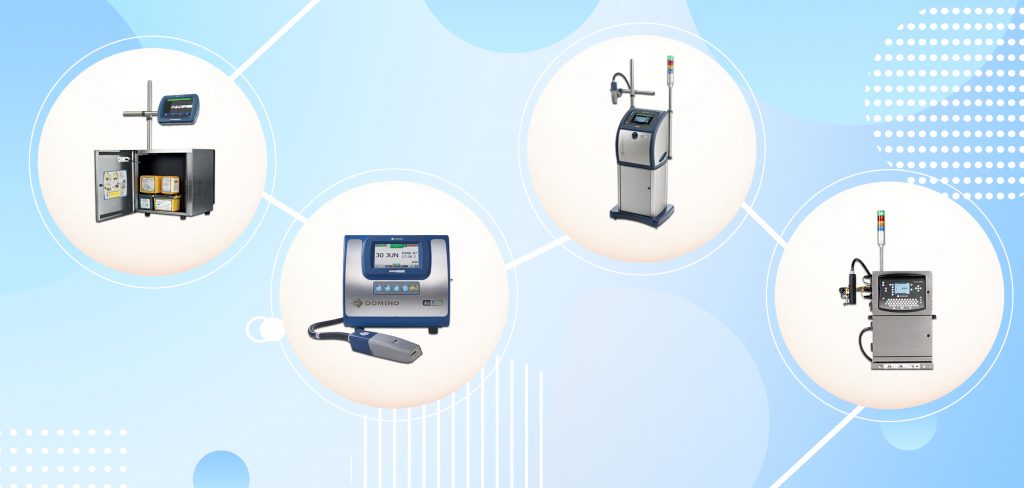
Continuous Inkjet (CIJ) printing is widely used in industries such as food and beverage, pharmaceuticals, electronics, and packaging to print variable information including batch numbers, expiration dates, and barcodes. Despite its versatility and high-speed capabilities, the production and application of CIJ printing face several manufacturing challenges. These challenges affect efficiency, print quality, and overall operational reliability, making it essential for businesses and manufacturers to understand and address them.
Complexity of Printer Design
CIJ printers are complex machines with precise components that must work seamlessly together. From the high-speed pumps and printheads to the electronics and software controlling droplet formation, every part plays a critical role. Many businesses rely on experienced providers, such as CIJ Inkjet Printer Manufacturers, to ensure high-quality construction and reliable performance. The intricate design requires careful assembly, alignment, and calibration. Any minor misalignment in the printhead or inconsistencies in the ink delivery system can result in poor print quality, nozzle blockages, or increased maintenance requirements.
Ink Formulation and Compatibility
One of the key challenges in CIJ printing is selecting and managing the right ink for the application. CIJ printers use solvent-based, water-based, or UV-curable inks, each with unique properties suited to specific surfaces. Incompatible inks can cause issues such as nozzle clogging, poor adhesion, or smudging. Manufacturers must carefully test inks on different substrates, including plastics, glass, metals, and paper, to ensure consistent performance. Additionally, controlling ink viscosity and drying times is critical for achieving high-resolution markings, especially on high-speed production lines.
Maintaining Printhead Performance
The printhead is the heart of a CIJ printer, and its performance is crucial for producing accurate and legible markings. However, printheads are prone to wear and contamination due to dust, dried ink, or chemical residues. Regular cleaning and preventive maintenance are necessary to prevent nozzle blockages and ensure consistent droplet formation. Manufacturers must design printheads with precision materials and provide guidance on proper care, but even with optimal maintenance, high-speed operations can accelerate wear and lead to downtime if not managed properly.
Environmental Factors and Production Conditions
Environmental conditions in manufacturing facilities can also pose challenges for CIJ printers. High humidity, temperature fluctuations, or airborne dust can interfere with ink flow, drying times, and print consistency. For example, excessive humidity may slow ink drying, causing smudging, while high temperatures can alter ink viscosity. Maintaining a controlled environment or using printers with environmental compensation features is essential for ensuring reliable performance in diverse production settings.
Integration with Production Lines
CIJ printers must be seamlessly integrated into production lines to keep pace with high-speed operations. Achieving precise synchronization with conveyors and robotic systems can be challenging, especially when dealing with variable product sizes and shapes. Misalignment or timing issues can result in blurred or incomplete prints, leading to wasted products and reduced efficiency. Manufacturers often need to customize printer mounts, adjust speeds, and optimize software settings to accommodate specific production requirements.
Training and Operator Expertise
Even the most advanced CIJ printers require skilled operators for optimal performance. Inadequate training can lead to improper setup, incorrect ink handling, and insufficient maintenance, all of which compromise print quality and reliability. Manufacturers and suppliers must provide comprehensive training programs to ensure operators understand the printer’s functionality, troubleshooting procedures, and maintenance schedules. Well-trained staff can prevent common errors, reduce downtime, and improve overall production efficiency.
Cost Management and Consumables
The high precision of CIJ printers comes with a cost in terms of maintenance, consumables, and repairs. Ensuring a consistent supply of high-quality inks, filters, and replacement parts is a key challenge for manufacturers and operators. Poor-quality consumables can damage the printer, cause inconsistent prints, and increase operational costs. Effective inventory management and sourcing from reliable suppliers are essential to minimize disruptions and maintain productivity.
Conclusion
Continuous Inkjet printing offers significant advantages for high-speed, variable data printing, but it also presents manufacturing challenges related to printer complexity, ink formulation, printhead maintenance, environmental conditions, line integration, operator training, and consumables management. Addressing these challenges requires working with experienced CIJ Inkjet Printer Manufacturers, implementing preventive maintenance, providing comprehensive operator training, and maintaining high-quality consumables. By proactively managing these factors, businesses can ensure reliable performance, consistent print quality, and efficient production in demanding industrial environments.