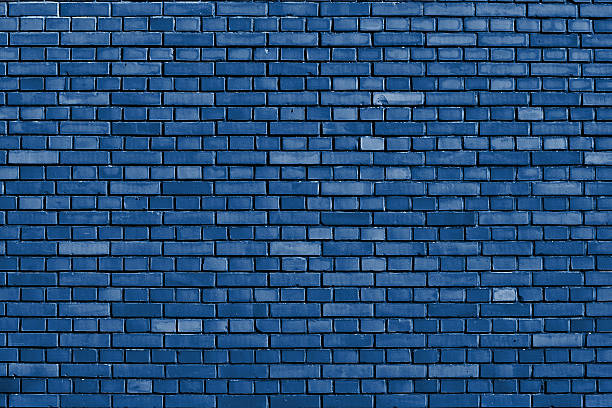
Most people lump masonry stain into the same bucket as paint. Bad move. Paint sits on the surface and pretends it belongs there. Masonry stain sinks in. It bonds. It becomes part of the brick instead of smothering it.
That difference is everything. If you’ve ever seen peeling brick paint after two winters, you already know why this matters. Masonry stain lets brick breathe. Moisture gets out. Damage stays low. And the look? Way more natural, even years later.
Brick Has Personality, and Stain Respects It
Brick isn’t drywall. Every brick wall has variation baked in. Color shifts, texture changes, odd spots that tell its story. Brick staining colors don’t erase that. They work with it.
That’s the appeal. You’re not hiding the wall’s character. You’re tuning it. Maybe warming it up. Maybe cooling it down. Maybe just making it look intentional instead of tired and uneven.
Choosing Brick Staining Colors Without Overthinking It
People freeze when it’s time to choose color. Too many options, too many opinions. Here’s the blunt truth: subtle almost always wins.
Earth tones, muted grays, soft charcoals, warm whites. These play nice with natural brick. Loud colors can work, sure, but they age faster. Brick staining colors should feel like they belong on the building, not like they showed up last week.

Why Masonry Stain Outlasts Most Coatings
Durability is where masonry stain earns its keep. Because it penetrates, it doesn’t peel or bubble. UV resistance is better. Weather doesn’t beat it up the same way.
You’re not signing up for constant touch-ups. Maintenance stays low. For homeowners and property managers alike, that matters. Nobody wants to repaint brick every few years. That’s money and time burned for nothing.
Old Brick, New Look, No Replacement Needed
Tearing out brick is expensive and messy. Staining it isn’t. Masonry stain gives old, mismatched, or dated brick a second life without demolition.
This is huge for renovations. You can modernize a facade without wrecking the structure. Same brick. Better look. Less waste. That’s smart building, not just cosmetic work.
Exterior Brick Staining Colors That Age Gracefully
Exterior brick lives a hard life. Sun, rain, pollution, freeze-thaw cycles. Brick staining colors need to handle that without fading into something weird.
Mineral-based masonry stains do this well. They don’t form a film. They don’t trap moisture. Over time, they wear evenly instead of failing suddenly. The building ages, but it does it with dignity.
Interior Brick Deserves Better Than Flat Paint
Interior brick walls get painted all the time. And honestly, most of them regret it. Flat paint kills depth. It turns brick into a chalky background.

Masonry stain inside is different. You keep texture. Light plays off the surface. Brick staining colors indoors can be soft and controlled without feeling fake. It still looks like brick. Just cleaner, calmer, more intentional.
Commercial Projects Need Consistency Without Looking Fake
Commercial buildings are tricky. You want consistency across large surfaces, but you can’t afford a plastic look. Masonry stain hits that balance.
Brick staining colors can be adjusted, layered, blended. You even out visual noise without flattening everything. That’s why architects lean toward stain when aesthetics and performance both matter.
Application Isn’t Complicated, But It Isn’t Careless Either
Staining brick isn’t hard, but it does demand respect. Surface prep matters. Clean brick stains better, plain and simple.
Application technique matters too. Spray, brush, or roller, depending on the wall. The goal isn’t speed. It’s penetration and control. Rushing it shows. Always does.
Breathability Is the Quiet Advantage Nobody Talks About
Brick needs to breathe. Trap moisture, and you invite problems. Efflorescence, spalling, cracking. Paint causes that. Masonry stain avoids it.
This is why professionals push mineral stains. Vapor permeability stays intact. The wall stays healthy. That’s not flashy marketing, but it’s real-world performance that saves buildings long-term.
Brick Staining Colors and Property Value
Curb appeal isn’t just cosmetic. It’s financial. A well-stained brick exterior can lift perceived value fast. It signals care. Quality. Intention.
Buyers notice when brick looks natural but refined. Brick staining colors done right don’t scream renovation. They whisper longevity. That’s a good message when money’s on the line.
Why Mineral Stains Are the Smarter Long-Term Choice
Not all masonry stains are equal. Mineral stains chemically bond with masonry. Acrylic stains mostly don’t. That difference shows up years later.

Mineral stains fade slower, fail less, and age better. They cost more upfront, sure. But they don’t ask for forgiveness later. That’s the kind of tradeoff professionals make without hesitation.
Frequently Asked Questions About Masonry Stain and Brick Staining Colors
What is masonry stain used for?
Masonry stain is used to change or enhance the color of brick, stone, or concrete without covering the surface like paint does. It penetrates and bonds instead.
Are brick staining colors permanent?
High-quality mineral masonry stains are long-lasting. They won’t peel or flake, and fading happens slowly and evenly over time.
Can masonry stain be used on all brick types?
Most natural clay bricks accept stain well. Sealed or previously painted brick may need special prep or may not be suitable.
Is brick staining better than painting?
In most cases, yes. Masonry stain preserves breathability and texture, while paint can trap moisture and peel.
How many colors can brick staining achieve?
Brick staining colors range from subtle earth tones to deeper modern shades. Custom blends are common for matching or correcting existing brick.