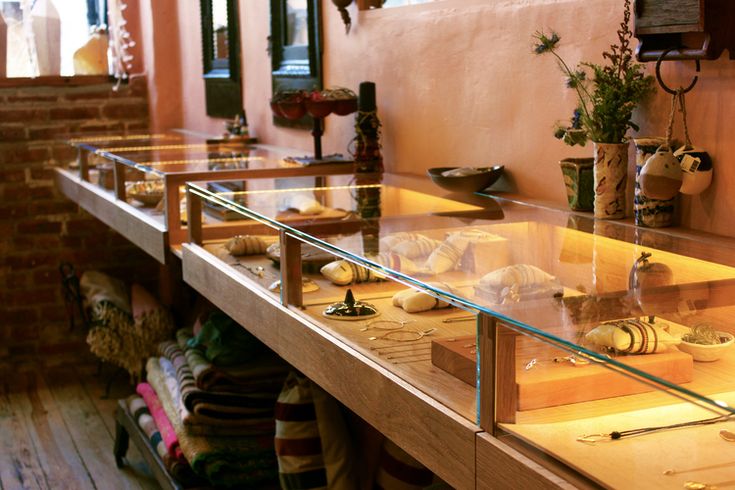
Jewelry display cases are essential for presenting and protecting valuable pieces in retail environments. The materials used in constructing these cases significantly influence their durability, appearance, and functionality. Selecting the right combination of materials ensures that the display case not only highlights jewelry effectively but also withstands daily use in a busy retail environment. Understanding the common materials used in jewelry display case construction helps store owners make informed decisions when investing in high-quality display solutions.
Glass for Visibility and Elegance
Glass is one of the most important materials in jewelry display case construction. It provides clear visibility, allowing customers to view jewelry from multiple angles without handling the pieces directly. Tempered glass is commonly used for its strength and resistance to breakage, ensuring safety for both customers and staff. In addition to standard glass panels, some cases incorporate anti-reflective or UV-protective glass to reduce glare and prevent fading of delicate jewelry items. Retailers often choose Jewelry Display Case solutions that use high-quality glass because it enhances the visual appeal of products while maintaining durability and security.
Wood for Sophistication and Stability
Wood is a classic material in jewelry display case construction, offering both aesthetic appeal and structural support. High-quality hardwoods, such as oak, maple, or cherry, provide durability and a timeless look, while veneers and laminates allow for a variety of finishes to match the store’s design theme. Wood frames and bases provide stability for glass panels and support for heavy display units. Many boutique and luxury retailers favor wood for its warm, elegant appearance and the ability to customize finishes, inlays, or decorative accents that reinforce brand identity.
Metal for Strength and Modern Design
Metal components are frequently incorporated into display case construction for their strength and contemporary aesthetic. Stainless steel, aluminum, and brass are commonly used for frames, hinges, supports, and decorative trims. Metal not only ensures durability but also adds a sleek, modern touch to the display case. Powder-coated or anodized finishes provide additional protection against scratches and corrosion while allowing retailers to match the store’s color scheme. Metal reinforcements are particularly useful in cases that require security features, such as locking mechanisms or anti-tip brackets.
Acrylic and Plexiglass for Lightweight Flexibility
Acrylic and plexiglass are popular alternatives to traditional glass due to their lightweight nature, impact resistance, and versatility. These materials can be molded into various shapes and sizes, making them ideal for custom designs, curved panels, or intricate display elements. Acrylic is easier to transport and handle, reducing the risk of damage during installation or reconfiguration. Some modern jewelry display cases use acrylic inserts, dividers, or shelves to create a sleek and contemporary presentation without sacrificing visibility or protection.
Fabric and Cushioned Inserts for Protection
The interior of jewelry display cases often incorporates fabric or cushioned inserts to protect delicate items and enhance visual appeal. Velvet, suede, leather, or satin are common choices, providing a soft surface that prevents scratching and tangling. Cushioned inserts also help secure jewelry in place, ensuring that rings, earrings, bracelets, and necklaces remain neatly arranged. Fabric and cushioning choices can be customized to match the store’s branding or highlight specific collections, adding a layer of sophistication and professionalism to the display.
LED Lighting and Accessories
Although not structural materials, lighting components are an integral part of modern jewelry display case construction. LED strips, spotlights, or integrated lighting panels are often combined with glass, metal, and wood to highlight jewelry and create an inviting shopping environment. Properly positioned lighting enhances the sparkle of gemstones, brings out metal tones, and draws customer attention to featured pieces. Lighting can be seamlessly integrated into the materials mentioned above, ensuring both functionality and aesthetic appeal.
Combining Materials for Customization
Many jewelry display cases combine several materials to achieve both functionality and visual appeal. For instance, a case might feature a wooden base, tempered glass panels, metal framing, and velvet-lined inserts with integrated LED lighting. This combination of materials provides durability, security, and a high-end appearance, while allowing retailers to customize the design according to store layout, branding, and merchandise types. The choice of materials can also influence the overall feel of the store, from luxurious and traditional to modern and minimalist.
Conclusion
Selecting the right materials is essential for constructing a functional, durable, and visually appealing Jewelry Display Case. Glass provides visibility and elegance, wood offers sophistication and stability, metal ensures strength and contemporary style, acrylic adds lightweight flexibility, and fabric or cushioned inserts protect delicate items. Integrated lighting enhances the display and draws attention to key pieces, while combinations of these materials allow for fully customized designs. Understanding these material options helps jewelry retailers create display cases that not only protect and showcase merchandise but also enhance the overall store experience, reinforce branding, and support long-term durability.