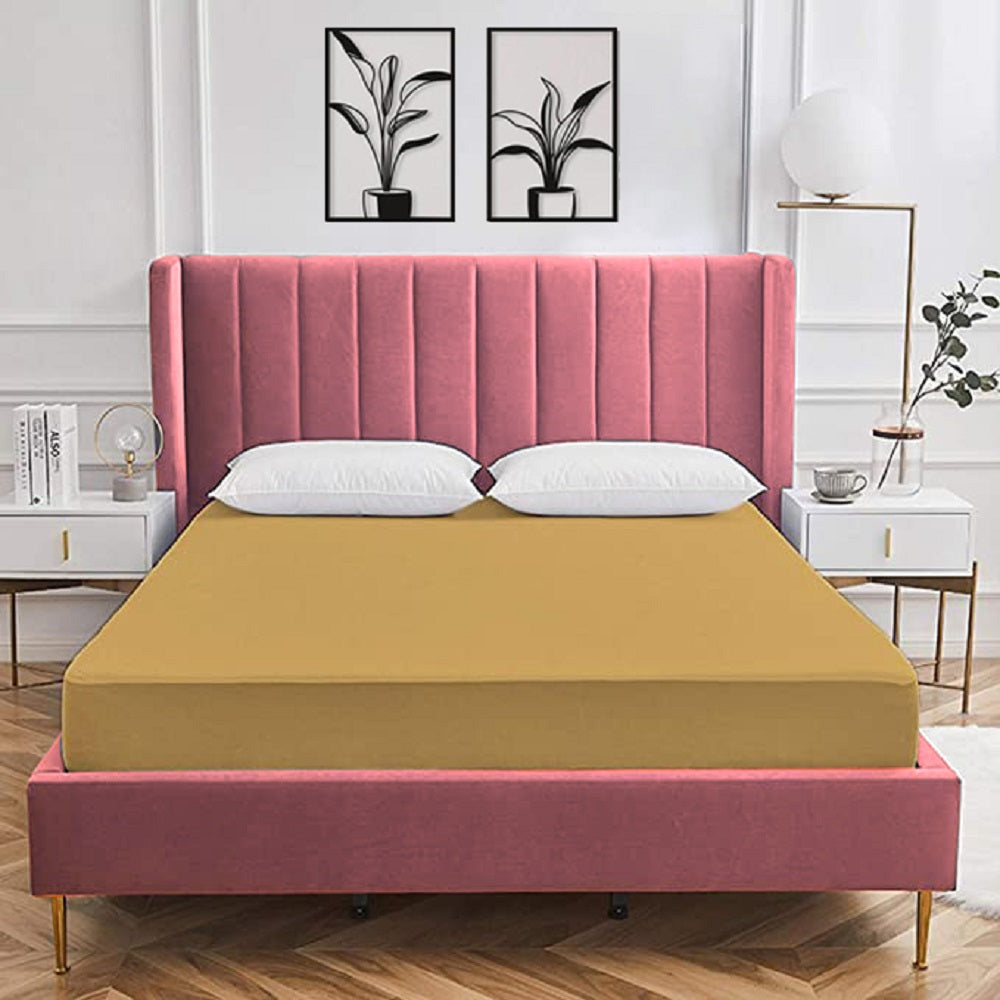
Mattress Protector
A mattress is one of the most important investments in any home. It supports your body every night, affects your sleep quality, and plays a big role in your long-term comfort. But many people forget one simple fact: even the best mattress can get damaged easily if it is not protected.
Sweat, accidental spills, dust, stains, allergens, and everyday wear can reduce the life of your mattress. This is exactly why a mattress protector is not an optional product anymore—it is a smart necessity.
A good mattress protector keeps your mattress clean, fresh, and hygienic. It also helps you avoid costly mattress replacement and reduces the effort of deep cleaning. However, not all mattress protectors are the same. Some are noisy, some trap heat, and some lose waterproofing after a few washes.
So, how do you choose the right one?
This mattress protector buying guide will walk you through 7 important things to check before purchase, so you can make a confident decision and get the best value for your money.
1. Waterproof Protection (The Most Important Feature)
The first and most important purpose of a mattress protector is protection. If you want real protection, you should check whether the mattress protector is waterproof.
A waterproof mattress protector creates a barrier between your mattress and any liquid. This includes:
- Water spills
- Tea or coffee accidents
- Sweat and body moisture
- Kids’ bedwetting
- Pet accidents
Many people assume a thick fabric protector is enough, but regular fabric can still absorb moisture and allow it to reach the mattress. Once liquid goes inside the mattress, it becomes difficult to remove and may lead to bad odor or mold.
What to check:
- Look for the word “100% waterproof” in the product details.
- Check if it has a waterproof layer such as TPU (Thermoplastic Polyurethane).
- Avoid protectors that only say “water-resistant,” as they may not provide full protection.
2. Breathability and Cooling Comfort
Some waterproof mattress protectors trap heat. This can make your bed feel warm and uncomfortable, especially during summer or in humid climates.
A high-quality protector should be waterproof but still breathable. Breathable protectors allow air to circulate and help control temperature. This makes sleep more comfortable and prevents the sticky feeling that some protectors create.
This factor becomes even more important if you:
- Sweat during sleep
- Use a memory foam mattress
- Live in a warm climate
- Prefer a cooler sleeping surface
What to check:
- Choose protectors made with breathable fabric like cotton, bamboo, or terry cotton.
- Make sure the waterproof layer is TPU, not thick plastic.
- Look for product descriptions like “breathable waterproof membrane” or “cooling comfort.”
3. Fabric Quality and Skin-Friendly Material
Since a mattress protector sits directly under your bedsheet, it affects your sleeping comfort. If the fabric is rough or low-quality, you may feel irritation or discomfort.
Many people ignore fabric quality and focus only on waterproofing, but comfort matters just as much. A good mattress protector should feel soft and gentle.
Common fabric types:
- Cotton: Soft, breathable, and comfortable
- Terry cotton: Absorbs moisture and feels slightly thick
- Bamboo: Naturally cooling, soft, and good for sensitive skin
- Polyester: Durable and affordable, but may feel less breathable
What to check:
- If comfort is your priority, choose cotton or bamboo.
- For budget-friendly options, polyester blends can work, but ensure they are soft.
- Avoid protectors that feel plastic-like or stiff.
4. Perfect Fit and Elastic Grip
A mattress protector is only useful if it stays in place. A loose protector can shift while you sleep, creating discomfort and reducing protection.
A well-fitted protector should cover the mattress properly and have a strong grip. Most good protectors come with elastic edges or fitted-sheet style design.
What to check:
- Check mattress dimensions before buying: single, double, queen, king
- Check mattress thickness (often 6 inches, 8 inches, or 10 inches)
- Choose protectors with 360-degree elastic for a snug fit
A protector that fits properly will not slip, bunch up, or create wrinkles under the bedsheet.
5. Noise-Free and Smooth Sleeping Experience
One of the biggest complaints about mattress protectors is noise. Some protectors make a crinkling sound when you move, especially those made with cheap plastic layers.
This can disturb sleep, especially for light sleepers.
A good mattress protector should be silent and smooth. You should not feel or hear it while sleeping.
What to check:
- Avoid protectors with PVC plastic.
- Choose protectors with a TPU waterproof layer, as it is flexible and quiet.
- Read customer reviews specifically for terms like “noisy,” “crinkly,” or “silent.”
6. Easy Washability and Long-Term Durability
Mattress protectors are meant to be washed regularly. If the protector is difficult to clean or loses quality after a few washes, it will not last long.
A good protector should be machine washable and should maintain:
- Waterproof performance
- Shape and size
- Elastic grip
- Softness
Some low-quality protectors shrink after washing, and some lose their waterproof coating.
What to check:
- Make sure it is machine washable
- Check if it can handle regular washes without damage
- Look for shrink-resistant and fade-resistant features
- Avoid protectors that require special care unless you are comfortable with that
Also, check if the brand provides wash instructions clearly. Good brands always mention the correct way to wash and dry the product.
7. Protection Against Allergens and Dust Mites
A mattress can collect dust, dead skin cells, and allergens over time. This can trigger allergies, sneezing, or breathing discomfort, especially for people with sensitive health conditions.
A good mattress protector acts as a barrier against:
- Dust mites
- Allergens
- Bacteria
- Pet dander
If you have asthma, sinus issues, or allergies, this feature is especially important.
What to check:
- Look for protectors labeled hypoallergenic
- Choose tightly woven fabrics that block dust mites
- Some protectors also offer anti-bacterial coating (optional but useful)
Even if you do not have allergies, this feature helps maintain a cleaner and more hygienic sleeping environment.
Bonus Tips Before You Buy a Mattress Protector
Along with the 7 main points, here are a few extra tips that can help you make an even better choice:
Check the Return Policy
If the product does not fit properly or feels uncomfortable, you should be able to return it. Always check the return and replacement policy before purchase.
Buy Two Protectors if Possible
Having two protectors is a smart idea. One can be used while the other is being washed. This ensures your mattress stays protected at all times.
Choose According to Your Lifestyle
Different homes have different needs. For example:
- Families with kids should prefer 100% waterproof protectors
- People with pets should choose durable and stain-resistant protectors
- Hot sleepers should go for cooling bamboo or cotton protectors
Final Thoughts
Buying a mattress protector may seem like a small decision, but it makes a big difference. A good mattress protector keeps your mattress safe from stains, moisture, and allergens. It also improves hygiene and helps your mattress last longer.
Before you purchase, always check these 7 key points:
- Waterproof protection
- Breathability and cooling comfort
- Fabric quality and skin-friendly material
- Perfect fit and elastic grip
- Noise-free performance
- Easy washability and durability
- Allergy and dust mite protection
When you choose the right mattress protector, you are not just protecting your mattress—you are also protecting your comfort, your sleep quality, and your investment.