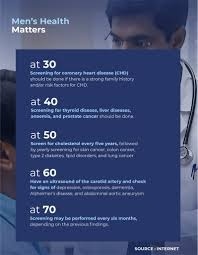
Men often feel fine well into their thirties, so health checks slide down the priority list. Work, family, and finances take centre stage, while subtle physical changes get brushed off as stress or ageing. I see this pattern repeatedly in clinical practice. Small, quiet shifts in the body begin after 30, and many of them cause no pain at first. Ignoring them can lead to avoidable complications later.
I want to speak directly to you—as a man, a partner, or a caregiver—about the silent conditions that deserve attention after 30. I will keep the language clear, practical, and grounded in medical experience, so you know what to watch for and when to act.
Why men’s health changes after 30
After 30, hormone balance, metabolism, and tissue repair start to shift. Testosterone levels decline slowly, muscle mass reduces if activity drops, and fat distribution changes. Blood vessels lose some elasticity, and the immune system responds differently than it did in your twenties.
You may still feel strong and capable, but the body now sends quieter signals. Mild fatigue, subtle pain, or small changes in sexual or urinary health often mark the early stages of conditions that later become disruptive. Early action gives you control and options.
Cardiovascular issues that stay silent
Heart disease does not always announce itself with chest pain. Many men experience years of silent damage before the first obvious event.
High blood pressure
High blood pressure often causes no symptoms at all. You may feel normal while pressure quietly strains the heart, kidneys, eyes, and brain. I encourage regular checks, even if you exercise and eat well. A simple reading can flag a risk early.
High cholesterol
Cholesterol imbalance rarely causes discomfort. Excess LDL cholesterol builds plaque inside arteries, reducing blood flow over time. Without testing, you will not feel this process happening. Blood tests after 30 provide a clear picture and guide lifestyle changes or treatment if needed.
Early warning signs you should not ignore
- Shortness of breath during mild exertion
- Frequent headaches
- Occasional chest tightness or jaw discomfort
- Unusual fatigue
These signs do not always point to heart disease, but they deserve assessment.
Metabolic health and insulin resistance
Metabolic conditions often develop quietly, especially in men who gain abdominal weight.
Prediabetes and type 2 diabetes
Blood sugar levels can rise for years without obvious symptoms. You may notice increased thirst, frequent urination, or slower wound healing, but many men notice nothing at all. Left unchecked, high blood sugar damages nerves, kidneys, blood vessels, and sexual function.
Fatty liver disease
Non-alcoholic fatty liver disease often appears alongside insulin resistance. It rarely causes pain at first. Blood tests and ultrasound scans often detect it incidentally. Early management through diet and activity can reverse changes.
Hormonal shifts men overlook
Hormones influence energy, mood, muscle, libido, and bone strength. After 30, gradual changes can affect daily life.
Low testosterone
Testosterone does not drop overnight, but even modest declines can matter. You might notice reduced stamina, low mood, increased body fat, or decreased sexual interest. Many men dismiss these signs as stress or ageing, yet testing provides clarity.
Thyroid imbalance
Thyroid issues affect metabolism and energy. Symptoms include fatigue, weight change, sensitivity to cold, or low mood. Men often miss these signs because they overlap with busy lifestyles.
Sexual and reproductive health concerns
Men often avoid discussing intimate health, yet early awareness protects fertility, confidence, and comfort.
Erectile difficulties
Occasional erectile issues happen to most men. Persistent difficulty often signals vascular disease, diabetes, hormonal imbalance, or psychological stress. Addressing the root cause improves both sexual and overall health.
Reduced sperm quality
Sperm count and quality can decline after 30, influenced by heat exposure, weight, smoking, alcohol, and environmental toxins. If you plan for children, early assessment helps.
Hydrocele: a quiet but noticeable change
Hydrocele deserves mention because many men ignore it for years. A hydrocele involves fluid buildup around a testicle, causing scrotal swelling. It usually causes no pain, which leads many men to delay assessment.
You might notice:
- A painless increase in scrotal size
- A feeling of heaviness
- Discomfort during exercise or prolonged standing
While hydrocele often remains harmless, swelling can mask other testicular conditions. Medical assessment rules out infection, hernia, or tumours.
Some men explore supportive approaches alongside medical advice. You may see information about Herbal Treatment for Hydrocele or Natural Remedies for Hydrocele discussed in complementary health contexts. These approaches focus on inflammation control and circulation support, but I always recommend medical evaluation first to confirm the diagnosis and discuss options safely.
Prostate health after 30
Prostate changes begin earlier than most men realise.
Benign prostate enlargement
The prostate often grows slowly with age. Early signs include weaker urine flow, difficulty starting urination, or frequent night-time urination. These changes feel minor at first but progress over time.
Prostatitis
Inflammation of the prostate can cause pelvic discomfort, urinary symptoms, or painful ejaculation. It may appear suddenly or persist quietly at low levels.
Early assessment prevents long-term discomfort and rules out serious causes.
Mental health: the silent weight
Mental health challenges often remain invisible, especially in men who feel pressure to appear strong.
Depression without sadness
Depression in men does not always present as low mood. You may notice irritability, withdrawal, sleep disruption, or reliance on alcohol. Work performance may suffer, yet you may not label it as depression.
Anxiety masked as stress
Chronic anxiety often shows up as muscle tension, digestive issues, headaches, or constant worry about work or finances. Without support, anxiety increases cardiovascular and metabolic risk.
Seeking help early does not weaken you. It protects your health and relationships.
Musculoskeletal changes you should not ignore
Joint and muscle health changes gradually.
Early osteoarthritis
Knee, hip, and lower back stiffness often begins after 30, especially with past injuries or physically demanding work. Pain may come and go, but cartilage damage can progress silently.
Loss of muscle mass
Without resistance exercise, muscle mass declines. This loss affects posture, metabolism, and injury risk. Strength training preserves function and independence later in life.
Digestive conditions that creep in
Digestive health often reflects lifestyle, stress, and inflammation.
Gastro-oesophageal reflux
Heartburn that appears occasionally can become chronic. Ongoing reflux damages the oesophagus even when pain feels mild.
Irritable bowel symptoms
Bloating, altered bowel habits, or abdominal discomfort often increase with stress. Persistent symptoms deserve assessment to exclude inflammatory or structural causes.
Sleep disorders men dismiss
Sleep affects hormones, metabolism, mood, and immunity.
Obstructive sleep apnoea
Snoring, unrefreshing sleep, and daytime fatigue often signal sleep apnoea. Many men remain unaware, yet untreated apnoea raises blood pressure, diabetes risk, and accident risk.
If your partner notices loud snoring or breathing pauses, take it seriously.
Skin changes with deeper meaning
Skin offers visible clues to internal health.
- Persistent rashes may signal autoimmune issues
- Darkened skin folds may indicate insulin resistance
- New or changing moles require prompt review
Routine skin checks matter, even without symptoms.
How lifestyle shapes silent conditions
Lifestyle choices after 30 strongly influence health outcomes.
Nutrition
Balanced meals with fibre, lean protein, healthy fats, and micronutrients support hormone balance and cardiovascular health. Many men explore organic vitamins and supplements online UK to address dietary gaps. Supplements support health best when paired with medical advice and whole foods.
Physical activity
Regular aerobic exercise protects the heart and metabolism. Strength training preserves muscle and bone density. Flexibility work reduces injury risk.
Alcohol and smoking
Alcohol and tobacco accelerate silent damage to the liver, heart, and blood vessels. Reducing intake brings measurable benefits at any age.
When to seek medical advice
I encourage proactive care rather than crisis management. Seek assessment if you notice:
- Persistent fatigue or low mood
- Sexual or urinary changes
- Unexplained weight change
- Ongoing pain or swelling
- Sleep disruption
Annual check-ups after 30 offer reassurance and early detection.
What tests matter after 30
Routine screening often includes:
- Blood pressure measurement
- Blood sugar testing
- Cholesterol profile
- Liver and kidney function tests
- Hormone testing when symptoms suggest imbalance
These tests provide a baseline for future comparison.
Talking openly about men’s health
Silence delays care. Conversations with partners, friends, or healthcare professionals reduce stigma and prompt early action. Many conditions remain manageable when addressed early.
You deserve clarity, comfort, and confidence in your health decisions. Paying attention to quiet signals after 30 protects your future self and the people who rely on you.
Final thoughts
Men’s health after 30 requires awareness rather than fear. Silent conditions do not announce themselves loudly, but they respond well to early attention. Regular checks, honest conversations, and informed choices keep you active and well for decades.