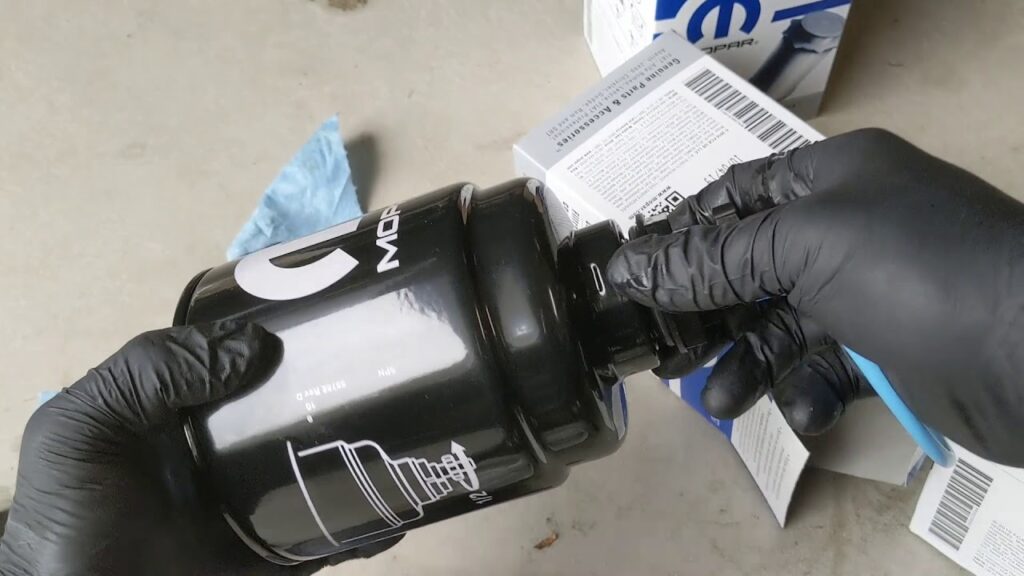
Mopar oil filter
What Is a Mopar Oil Filter?
Mopar is the official parts division of Stellantis (formerly FCA), supplying OEM components exclusively for Chrysler, Dodge, Jeep, Ram, and Fiat vehicles. A Mopar Oil Filter is engineered specifically to match the tolerances, flow rates, and filtration requirements of these vehicles’ engines. Unlike aftermarket alternatives, Mopar filters are designed and tested in direct collaboration with the vehicle manufacturer, ensuring a perfect fit and optimal performance straight out of the box.
Why Choose Mopar Over Aftermarket Filters?
When it comes to protecting your truck’s engine, not all oil filters are created equal. Here’s why Mopar stands out:
Precision Engineering — Mopar filters are built to exact OEM specifications. This means the internal bypass valve, filter media density, and housing dimensions are tailored to your specific engine’s oil pressure and flow characteristics.
Superior Filtration Media — Mopar uses high-efficiency synthetic media capable of capturing particles as small as 10 microns, keeping your engine oil cleaner for longer between change intervals.
Guaranteed Compatibility — There’s zero guesswork involved. A Mopar filter for your Ram 1500 or Dodge Charger is engineered to thread on perfectly and seal without leaks.
Warranty Protection — Using OEM Mopar parts can help maintain your vehicle’s powertrain warranty, whereas some aftermarket substitutes may void coverage if a failure is linked to a non-OEM component.
How Mopar Oil Filters Work
An oil filter’s job is simple in concept but critical in execution. Here’s what happens inside every Mopar filter:
1. Oil Enters the Housing — Dirty engine oil flows from the engine block into the outer shell of the filter canister under pressure from the oil pump.
2. Filtration Through the Media — The oil passes through layers of high-efficiency filter media wound tightly around a perforated center tube. Contaminants like metal shavings, dirt, and carbon deposits are trapped in the media.
3. Clean Oil Exits — Filtered oil flows through the center tube and back into the engine’s oil circulation system, ready to lubricate moving parts again.
4. Bypass Valve Protection — If the filter media becomes clogged (due to missed maintenance or cold starts), the built-in bypass valve opens to allow unfiltered oil to pass through. This prevents oil starvation — a critical safety feature engineered into every Mopar filter.
Mopar Oil Filter for Trucks — Why It Matters
Trucks put significantly more stress on their engines compared to sedans or compact cars. Higher towing loads, heavier curb weights, and longer idle times all generate more contaminants in the engine oil. This is exactly why choosing the right oil filter for your truck is non-negotiable.
Mopar truck filters are specifically rated for the higher oil volumes and pressures found in Ram, Dodge, and Jeep truck engines. Whether you’re running a 5.7L HEMI V8, a 3.6L Pentastar V6, or a 6.4L HEMI, there is a Mopar filter engineered precisely for your application.
Popular Mopar Oil Filter Part Numbers for Trucks
| Vehicle | Engine | Mopar Filter Part # |
|---|---|---|
| Ram 1500 (2019+) | 5.7L HEMI V8 | MO-48548 |
| Ram 1500 (2019+) | 3.6L Pentastar V6 | MO-48548 |
| Ram 2500/3500 | 6.4L HEMI V8 | MO-48548 |
| Dodge Durango | 5.7L HEMI V8 | MO-48548 |
| Jeep Grand Cherokee | 5.7L HEMI V8 | MO-48548 |
| Ram ProMaster | 3.6L Pentastar V6 | MO-48548 |
Note: Part numbers above are illustrative. Always verify the correct Mopar filter number using your vehicle’s VIN or by consulting your owner’s manual or a certified Mopar dealer.
When to Change Your Mopar Oil Filter
Following a proper maintenance schedule is the best way to keep your truck running at peak performance:
Every Oil Change — Replace your Mopar oil filter every time you change your engine oil. Reusing an old filter with fresh oil defeats the purpose of the change entirely.
Follow OEM Intervals — Most Ram and Dodge trucks with a Mopar oil filter recommend an oil change every 5,000 to 7,500 miles, depending on engine type and driving conditions. Some newer models with synthetic oil can go up to 10,000 miles.
Harsh Driving Conditions — If you frequently tow heavy loads, drive in dusty environments, or operate in extreme temperatures, consider shortening your oil change interval to 3,000–5,000 miles for added protection.
How to Install a Mopar Oil Filter
Changing your own oil filter is one of the simplest maintenance tasks you can do. Here’s a quick step-by-step:
Step 1 — Warm up your engine for a few minutes, then turn it off. This ensures the oil flows more easily during draining.
Step 2 — Locate the oil filter on your truck’s engine. On most Ram and Dodge trucks, it’s mounted on the side or front of the engine block.
Step 3 — Use an oil filter wrench to loosen and remove the old filter. Turn it counterclockwise.
Step 4 — Apply a thin layer of fresh engine oil to the rubber gasket on the new Mopar filter. This ensures a proper seal.
Step 5 — Hand-tighten the new filter onto the engine block until the gasket makes contact. Then tighten an additional ¾ turn — do not overtighten.
Step 6 — Refill the engine with the correct type and amount of oil as specified in your owner’s manual.
Step 7 — Start the engine and let it idle for a minute. Check for any leaks around the filter.
Step 8 — Check the oil level with the dipstick and top off if necessary.
Mopar Oil Filter vs. Fram vs. Wix — A Quick Comparison
| Feature | Mopar (OEM) | Fram (Aftermarket) | Wix (Aftermarket) |
|---|---|---|---|
| Filtration Efficiency | High (OEM spec) | Good | Good |
| Compatibility Guarantee | 100% (designed for vehicle) | Must verify fit | Must verify fit |
| Bypass Valve Rating | OEM-matched | Generic | Generic |
| Price Range | $15–$30 | $10–$20 | $10–$25 |
| Warranty Compatibility | Full OEM support | May affect warranty | May affect warranty |
| Best For | Warranty vehicles & long-term reliability | Budget-conscious owners | Performance-focused owners |
Tips for Getting the Most Out of Your Mopar Oil Filter
Always pair with the correct oil weight. Using the wrong viscosity oil can reduce your filter’s effectiveness and put unnecessary strain on your engine.
Store filters properly. Keep unused Mopar filters in a cool, dry place away from direct sunlight. Extreme heat can degrade the rubber gasket over time.
Don’t reuse old filters. Once a filter has been used, the media is saturated with contaminants. Always install a fresh Mopar filter with every oil change.
Buy from authorized dealers. Counterfeit Mopar filters do exist in the market. Purchasing from a certified Mopar dealer or authorized retailer ensures you’re getting a genuine product.
Final Thoughts — #MoparTruckFilter
Your truck’s engine is one of the most expensive and critical components on the vehicle. Protecting it starts with the basics — clean oil and a quality filter. Mopar oil filters deliver the precision, compatibility, and reliability that your Ram, Dodge, or Jeep truck deserves. Whether you’re hauling heavy payloads on the highway or navigating rugged terrain, a genuine Mopar filter keeps your engine running strong, mile after mile. Read inf0