Breathing is one of the most essential functions of life, yet many people overlook its importance until they begin experiencing respiratory discomfort. Whether you have asthma, COPD, chronic cough, or unexplained breathing issues, a Pulmonary Function Test (PFT) is a crucial diagnostic tool that helps assess lung performance. As respiratory issues continue to rise due to pollution, lifestyle habits, and underlying medical conditions, understanding the procedure, benefits, and PFT test price in Delhi can help patients make confident and informed health decisions.
What Is a Pulmonary Function Test (PFT)?
A Pulmonary Function Test is a set of non-invasive breathing assessments that measure how well the lungs inhale, exhale, and transfer oxygen into the bloodstream. These tests evaluate lung capacity, airflow obstruction, and respiratory muscle strength. Doctors often recommend PFTs for patients experiencing:
- Shortness of breath
- Chronic cough
- Wheezing
- Chest tightness
- Suspected respiratory conditions such as asthma, COPD, pulmonary fibrosis, or bronchitis
By providing accurate insight into lung health, PFTs help specialists diagnose conditions early and refine treatment plans.
Why Is a PFT Test Important?
A PFT is not just a basic lung test—it is an essential diagnostic tool that:
1. Detects Lung Diseases Early
Many respiratory conditions develop gradually and go unnoticed. PFT testing identifies abnormalities in airflow and lung volume much earlier.
2. Monitors Chronic Conditions
Patients with asthma, COPD, or other long-term lung diseases undergo routine PFTs to track progression and adjust treatments accordingly.
3. Evaluates Treatment Response
Doctors measure lung performance before and after medications to see how well they work.
4. Assesses Fitness for Surgery
Before major surgical procedures, especially involving the heart or lungs, a PFT may be required to assess anesthesia risks.
What Does a PFT Test Include?
A PFT consists of several components depending on the patient’s symptoms and the doctor’s recommendations:
1. Spirometry
Measures how much air you can breathe out and how fast. Helpful in diagnosing asthma and COPD.
2. Lung Volume Test (Plethysmography)
Determines the total amount of air the lungs can hold.
3. Diffusion Capacity Test (DLCO)
Measures how efficiently oxygen moves from your lungs into your blood.
4. Peak Flow Measurement
Checks how quickly you can blow air out—often used for asthma monitoring.
5. Six-Minute Walk Test (in some centres)
Evaluates how lungs perform during physical activity.
All tests are painless, safe, and take 20–45 minutes.
PFT Test Procedure: What to Expect
When you arrive for the test, the technician will explain each step thoroughly. Here’s what typically happens:
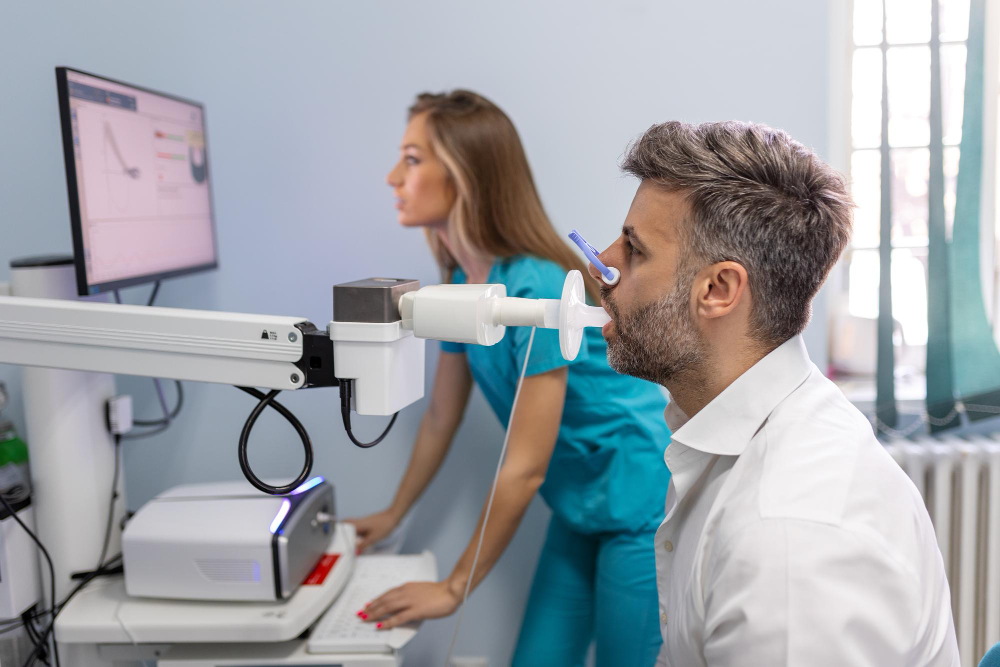
- You will sit comfortably with a mouthpiece connected to a spirometer.
- A nose clip is applied to ensure all breathing happens through your mouth.
- You’ll be instructed to take a deep breath and then exhale forcefully into the device.
- This process may be repeated several times for accurate readings.
- For diffusion and lung volume tests, you may breathe special gases through the machine.
- After completion, your results are analyzed by a pulmonologist.
The test is non-invasive, requires no needles, and poses no significant risks.
How to Prepare for a PFT Test
Proper preparation ensures accurate results. Here’s what you should follow:
- Avoid smoking for at least 6–8 hours before the test.
- Do not consume heavy meals 2 hours prior.
- Wear loose, comfortable clothing.
- Avoid caffeine for a few hours, as it may affect breathing.
- If you use inhalers, ask your doctor about pausing them before the test.
- Get adequate rest to avoid fatigue.
Following these steps ensures a smooth testing experience and precise outcomes.
PFT Test Price in Delhi: What Influences the Cost?
The PFT test price in Delhi varies based on several factors:
1. Type of PFT Test Required
A simple spirometry test costs less, while a full PFT panel (spirometry + lung volumes + diffusion test) is priced higher.
2. Diagnostic Centre or Hospital
Premium hospitals and advanced diagnostic labs may charge more due to high-end equipment and specialist reporting.
3. Expertise of the Pulmonologist
Highly experienced doctors may influence the reporting charges.
4. Technology and Equipment Used
Digital spirometers, body plethysmographs, and advanced diffusion machines may increase cost.
Typical Cost Range in Delhi
Patients can expect the PFT test price in Delhi to range from ₹1000 to ₹2,000, influenced by the facility and testing components included.
How to Choose the Best Centre for a PFT Test
Selecting the right diagnostic centre ensures accuracy and comfort. Consider these points:
1. Look for Certified Pulmonologists
Accurate interpretation is crucial for proper diagnosis.
2. Choose a Centre with Advanced Equipment
Modern spirometers and plethysmographs provide detailed and reliable data.
3. Read Reviews and Patient Feedback
Searches like PFT test near me help identify trustworthy clinics with good ratings.
4. Compare Prices
Check the PFT test price in Delhi at different centres to stay within your budget.
5. Check Hygiene and Safety Standards
Ensure proper sanitization and disposable mouthpieces are provided.
Benefits of Getting a PFT Test Done on Time
Timely PFT testing offers several advantages:
- Early diagnosis of respiratory problems
- Improved control over asthma and COPD
- Better understanding of medication effectiveness
- Increased awareness of your lung health
- Reduced long-term complications
- Guidance for fitness before surgery
Conclusion
A Pulmonary Function Test is essential for assessing lung performance, diagnosing respiratory disorders, and ensuring timely treatment. With rising pollution and increasing respiratory illnesses, individuals need to understand the procedure and benefits of a PFT to make informed decisions. Whether you’re monitoring a chronic condition or experiencing new symptoms, searching for a reliable PFT test near me will help you find the right diagnostic centre quickly and efficiently. Taking this step early ensures better lung health and long-term well-being.