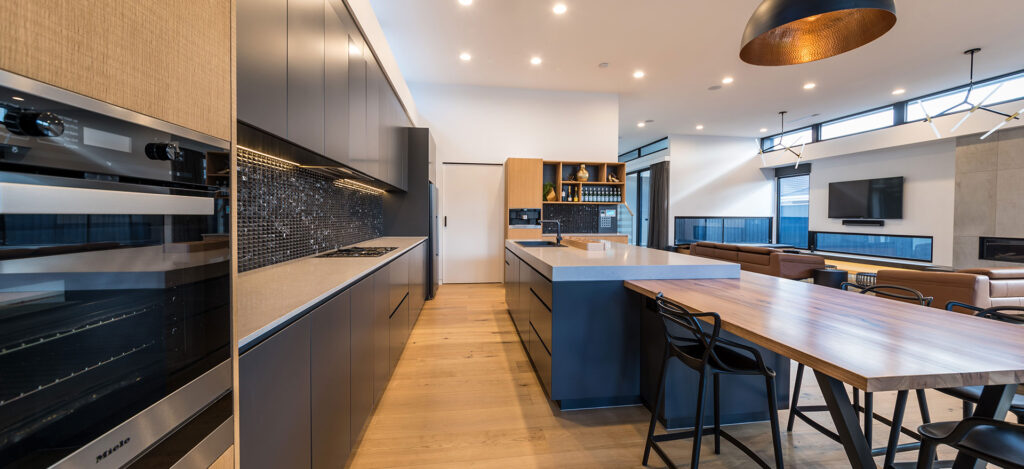
Professional Kitchen Designers:
A kitchen is not just another room in a home. It is a space where design, functionality, safety, and lifestyle all intersect. Because of this, kitchen projects demand far more attention than most renovation tasks. One of the biggest decisions homeowners’ faces is choosing between professional kitchen designers and a local designer or contractor. While both options may appear similar on the surface, the difference in approach, expertise, and results can be significant.
Why Kitchens Are the Most Complex Room to Design
Unlike bedrooms or living rooms, kitchens involve multiple technical elements working together. Plumbing, electrical systems, ventilation, cabinetry, appliances, lighting, and workflow must all align perfectly. A small error in planning can lead to daily inconvenience, safety risks, or expensive rework.
Kitchens also experience more wear and tear than any other space. Heat, moisture, spills, and heavy usage demand for durable materials and precise installation. This is why a kitchen project cannot rely on guesswork or shortcuts.
Extra attention is essential to ensure the space is practical, compliant with regulations, and visually balanced.
Who Are Professional Kitchen Designers?
Professional kitchen designers are specialists who focus exclusively on kitchen planning and layout. They are trained in ergonomics, spatial planning, building codes, and material performance. Many have formal design education and industry certifications, along with years of experience working on diverse kitchen styles and property types.
Their role goes beyond selecting cabinets and colours. They assess how the kitchen will be used daily, how many people cook at once, storage needs, appliance placement, lighting layers, and long-term durability. Every design decision is backed by technical knowledge and user behaviour analysis.

Understanding Local Kitchen Designers or Contractors
Local kitchen designers or general contractors often provide kitchen services as part of a broader offering. While some are skilled and experienced, many rely on standard layouts, supplier templates, or previous installations rather than tailored planning.
Local designers may focus more on execution than design strategy. In some cases, they depend heavily on manufacturer catalogues or pre-set cabinet sizes, which can limit creativity and efficiency. Their approach may work for basic kitchens but can fall short when dealing with complex layouts or high-value projects.
Design Precision vs Standard Solutions
One of the biggest differences between professional and local designers is precision. Professional designers create kitchens based on exact measurements, traffic flow, and user habits. They consider how drawers open, how doors interact, and how people move between cooking zones.
Local designers may offer faster solutions but often rely on standard layouts that don’t fully optimise space. This can lead to awkward corners, wasted storage, or uncomfortable working distances. Over time, these issues affect daily usability and satisfaction.
Material Knowledge and Long-Term Performance
Professional designers understand the strengths and weaknesses of different worktops, cabinet finishes, hinges, and fittings. They recommend options based on lifestyle, budget, and durability, not just looks.
Local designers may suggest materials based on availability or cost rather than performance. This can result in swelling cabinets, peeling finishes, or scratched surfaces within a few years. Extra attention at the design stage helps prevent these long-term problems.
Compliance, Safety, and Technical Accuracy
Professional kitchen designers stay updated with building regulations, safety standards, and ventilation requirements. They ensure electrical points, gas lines, and extraction systems are correctly planned before installation begins.
Local designers or contractors may rely on installers to “figure it out on site,” which increases the risk of errors or non-compliance. Kitchens are heavily regulated spaces, and mistakes can lead to safety hazards or failed inspections.
Budget Control and Hidden Cost Prevention
Although professional kitchen designers may seem more expensive initially, they often help save money in the long run. Detailed planning reduces mistakes, material wastage, and last-minute changes. Designers also help prioritise spending, advising where to invest and where to save.
Local designers may offer lower upfront quotes, but unexpected costs can arise due to design oversights, incorrect measurements, or poor coordination. Extra attention during planning prevents budget overruns and project delays.
Why Kitchen Projects Deserve Extra Attention
A kitchen is a long-term investment that affects daily life, property value, and overall comfort. Unlike decorative upgrades, kitchen mistakes are difficult and expensive to correct. Every detail, from storage depth to lighting angles, plays a role in usability.
Professional Kitchen Designer Wandsworth approach projects with a holistic mindset, balancing aesthetics, function, safety, and longevity. Local designers may deliver acceptable results for simpler projects, but complex kitchens demand expertise and careful planning.
Final Thoughts:
Kitchens are not spaces where shortcuts pay off. They require extra attention, thoughtful design, and technical accuracy. Investing in the right designer ensures the kitchen becomes a functional heart of the home rather than a source of ongoing frustration.