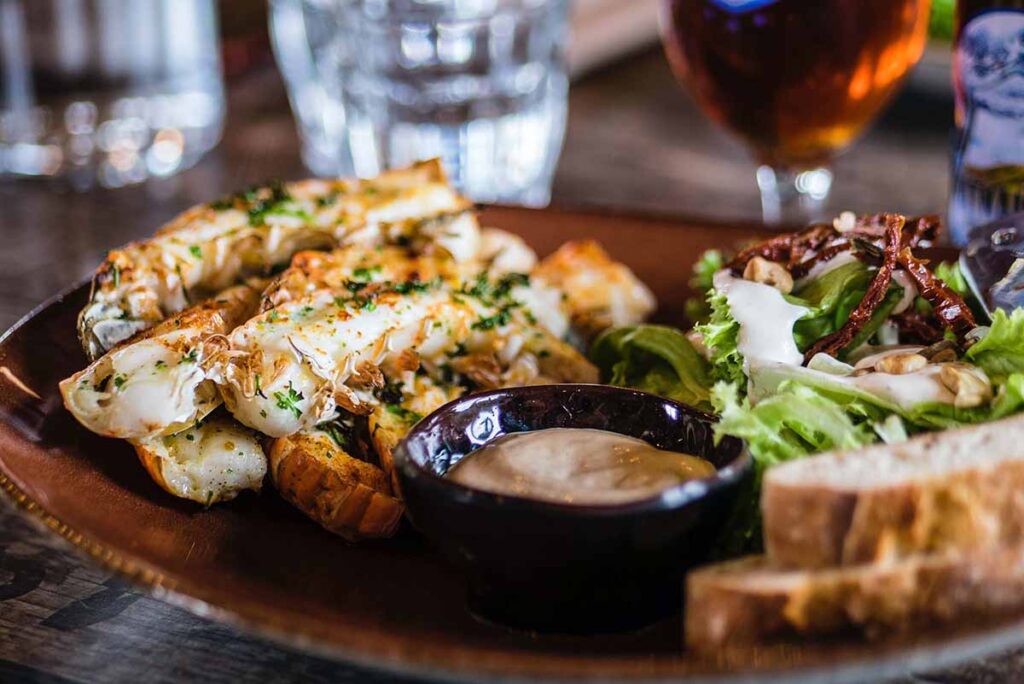
When locals in Amsterdam want authentic Indian food, they go to Rasoi. It’s not the most talked-about restaurant on social media. It’s not the flashiest or the most expensive. But it’s the one locals visit repeatedly because the food tastes authentic and the experience is worth the trip. Located on Maasstraat in Amsterdam-Zuid, Rasoi has built its reputation through consistency and quality rather than hype. That word-of-mouth approach means the people eating here chose this place intentionally. They came because someone they trust recommended it. That matters more than you’d think when your trying to understand why a restaurant actually works.
The restaurant fills up most nights with a mix of Amsterdam residents, tourists who got real recommendations, and people traveling from other Dutch cities specifically to eat here. That diverse crowd sharing the same space tells you something important about the quality. When locals, tourists, and serious food people all find value in the same place, you’re dealing with something that actually delivers.
Why Locals Actually Choose Rasoi Over Other Options
Amsterdam has Indian restaurants scattered throughout the city. Most are fine. Some are good. Locals know the difference between fine and actually worth returning to. Rasoi earned repeat business by doing things other restaurants either can’t or won’t do.
The kitchen makes spice blends in-house. That matters because a spice blend stored for weeks tastes different from one that was just roasted and ground. The difference is subtle but real. Locals taste that difference and remember it. They come back because they know they’ll get the same quality they experienced before.
The meat is halal and sourced carefully. Again, most restaurants don’t prioritize this. Rasoi does because the owners and chefs decided it matters. That choice costs money. But it means the ingredient quality stands out. People notice. They talk about it.
The recipes come from actual regions of India rather than being invented to sound exotic. Kerala Fish Curry differs from North Indian curries because it originates from Kerala and uses coconut and tamarind as the region does. The Laal Maas uses a Rajasthan recipe with slow cooked lamb. These regional distinctions get lost at restaurants that just serve “Indian food.” At Rasoi, they’re preserved.
Locals appreciate that the restaurant doesn’t try to make things more acceptable to western customers. The spices aren’t toned down. The portions aren’t adjusted smaller. The flavors remain true to the dishes’ intended taste. That authenticity becomes addictive. Once you’ve eaten real Indian food prepared well, the simplified versions at other restaurants feel boring.
The Staff Knowledge and How It Changes Your Experience
Most restaurants hire servers who memorize scripts and read specials off a page. Rasoi hires people who actually know the food. When you ask a server here about a dish, you get a real answer. Not a guess. Not reading from notes. An actual explanation based on knowledge.
That difference matters for ordering because most customers don’t know what to choose on an Indian menu. The servers here help by asking questions. How much spice do you like? Do you prefer creamy or dry dishes? Any ingredients you specifically don’t eat? Then they make recommendations that actually fit your needs, rather than just suggesting popular items.
A server who knows the menu deeply can also spot patterns. If someone orders a particular dish, the server might suggest something they’d also enjoy but haven’t tried yet. That approach keeps customers curious about what else the kitchen can make. It builds loyalty because people feel like they’re discovering something new each time they visit.
Why Quality Over Turnover Creates a Different Restaurant
Most restaurants want to serve as many customers as possible. The math makes sense: more customers equals more money. Rasoi operates differently. They control numbers through reservations. They don’t overbook the dining room. They serve the people they’ve seated properly rather than trying to maximize covers.
That approach costs money because tables sit empty that could generate revenue. But it protects the experience. The staff has time to pay attention to each table. The kitchen doesn’t get overwhelmed. Quality stays consistent across every service. When customers know they’ll have a good experience on every visit, they book in advance and return regularly.
Locals appreciate this because it means the restaurant doesn’t get worse when it gets busy. Some places handle quiet nights perfectly but fall apart when full. Rasoi maintains standards regardless of the number of people eating. That consistency is what keeps locals coming back.
The Neighborhood and Why It Actually Matters
Maasstraat in Amsterdam-Zuid isn’t in the tourist center. That’s intentional. Restaurants close to the center face pressure to compromise. Higher prices. Smaller portions. Flavors adjusted for casual visitors. Rasoi is located far enough away to attract locals as well as tourists. That balance protects quality.
The neighborhood has changed because of restaurants like this. Years ago, Maasstraat was quiet. It’s now a destination for people seeking good food. That reputation attracts customers who prioritize quality over convenience. That filters out people just wandering around looking for any restaurant. The people who come here came intentionally.
Understanding the Menu Without Feeling Overwhelmed
The menu has options that might seem unfamiliar at first. That’s actually good because it means your about to discover something new. The kitchen honors regional Indian traditions, so the menu varies by region. Certain dishes only make sense when prepared in certain ways.
The staff can guide you through this. They know which dishes pair well. They understand which combinations create a balanced meal. They can explain what makes each dish unique. That knowledge turns menu confusion into an opportunity to learn something about Indian cooking.
The restaurants also change seasonally. Dishes vary depending on availability. That means return customers always find something different. You don’t come back to eat the exact same thing repeatedly.
Building a Restaurant on Local Support Rather Than Tourist Traffic
Locals are harder to satisfy than tourists. A tourist might eat at a place once and never return. A local eats there regularly and notices immediately if quality drops. That pressure creates accountability. A restaurant built on local support cant coast. They have to maintain quality or risk losing business.
Rasoi has built that kind of foundation. The people eating here most nights are from Amsterdam. They chose this restaurant over all other options. That choice reflects real preference, not just chance or convenience. Those customers become the restaurant’s foundation. They’re the ones who fill seats regularly. They’re the ones who recommend it to friends and family.