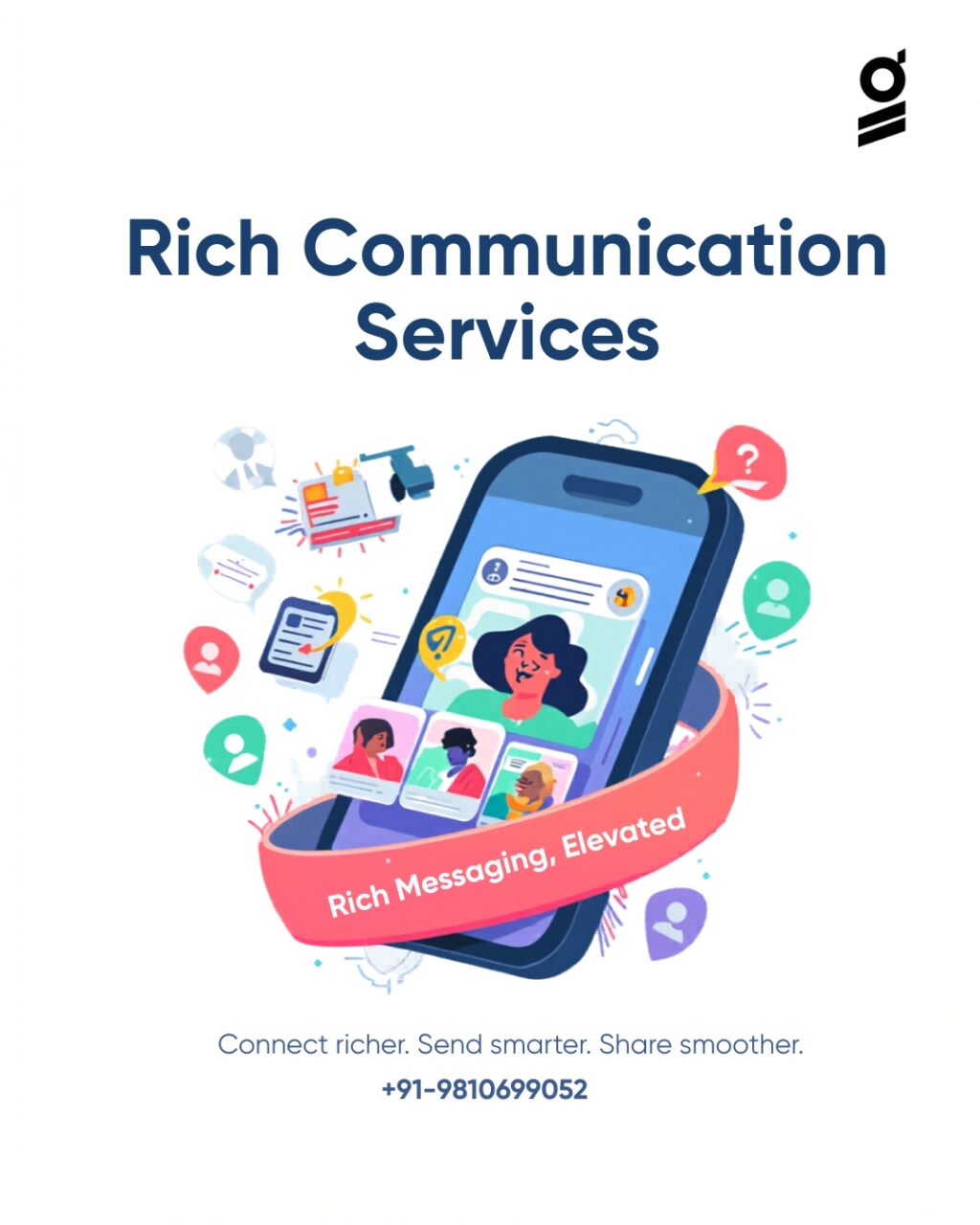
Rich Communication Services (RCS) is transforming traditional SMS into a dynamic, interactive, and media-rich messaging experience. Designed as the next evolution of text messaging, RCS enables businesses to communicate with customers using branded messages, images, videos, carousels, suggested replies, and real-time interactivity—all within the native messaging app on a user’s smartphone. As mobile usage continues to dominate digital engagement, RCS is quickly becoming a powerful channel for brands seeking deeper customer connections.
From SMS to Rich, App-Like Conversations
Traditional SMS is limited to plain text and basic links. While it remains reliable and universal, it lacks the visual appeal and interactivity modern users expect. RCS bridges this gap by bringing app-like features directly into the default messaging inbox—no downloads required.
With RCS, businesses can send:
- High-resolution images and videos
- Product carousels and rich cards
- Suggested reply buttons and quick actions
- Branded sender profiles with verification
- Read receipts and typing indicators
These features turn one-way alerts into engaging, two-way conversations that feel similar to popular chat apps.
How RCS Business Messaging Works
RCS operates over mobile data or Wi-Fi and is supported primarily on Android devices through messaging clients powered by platforms like Google’s Jibe. Businesses typically access RCS through messaging providers that integrate with carrier networks.
A key advantage is SMS fallback. If a user’s device or network doesn’t support RCS, the message automatically converts to SMS, ensuring delivery continuity.
RCS also supports automation and chatbots, enabling brands to:
- Provide instant customer support
- Guide users through product selection
- Confirm bookings or orders interactively
- Capture feedback in real time
Additionally, analytics such as delivery reports, read receipts, and engagement metrics give businesses clear visibility into campaign performance.
Key Benefits of RCS for Businesses
RCS offers several advantages that make it attractive for modern customer communication strategies:
1. Branded and Verified Messaging
Businesses can display their brand name, logo, and verification badge. This builds trust and reduces the risk of phishing or spam.
2. Higher Engagement Rates
Interactive elements like buttons and carousels encourage users to engage directly within the message rather than clicking external links.
3. Seamless Customer Journey
Customers can browse products, ask questions, and complete actions within a single conversation thread.
4. Improved Customer Experience
Rich visuals and quick replies reduce friction and make communication faster and more intuitive.
5. Detailed Insights and Analytics
Unlike SMS, RCS provides data on opens, reads, and interactions, enabling better optimization of campaigns.
Common Use Cases of RCS Business Messaging
RCS is versatile across industries and supports multiple business scenarios:
- Retail & E-commerce: Share product catalogs, promotions, and purchase options directly in messages.
- Banking & Finance: Send secure transaction alerts and allow quick actions like “Report Fraud” or “View Statement.”
- Travel & Hospitality: Deliver boarding passes, booking confirmations, and real-time updates.
- Healthcare: Send appointment reminders with confirm/reschedule buttons.
- Customer Support: Enable conversational support without requiring an app download.
RCS vs SMS vs Messaging Apps
| Feature | SMS | RCS | Messaging Apps |
| Text Messaging | Yes | Yes | Yes |
| Images & Videos | Limited (MMS) | High quality | High quality |
| Branded Sender | No | Yes | Yes |
| App Download Required | No | No | Yes |
| Interactivity | No | Yes | Yes |
| Read Receipts | No | Yes | Yes |
| Analytics | Basic | Advanced | Advanced |
RCS combines the reach of SMS with the rich experience of messaging apps—without requiring users to install anything new.
The Growing Adoption of RCS
With support from mobile carriers, device manufacturers, and technology providers, RCS adoption is expanding globally. Android devices increasingly ship with RCS enabled by default, and more carriers are joining the ecosystem. As consumer awareness grows, businesses have an opportunity to be early adopters of a channel that feels modern yet familiar.
While RCS is currently strongest on Android, its integration into the native messaging experience gives it a unique advantage over third-party apps in terms of accessibility and visibility.
Conclusion
Rich Communication Services is redefining how brands interact with customers through mobile messaging. By combining rich media, interactivity, branding, and analytics within the default messaging app, RCS delivers an experience that goes far beyond traditional SMS.
For businesses looking to improve engagement, build trust, and create seamless customer journeys, RCS business messaging represents a significant step forward. As adoption continues to grow, RCS is poised to become a core pillar of modern business communication strategies—bringing conversations to life in the inbox customers use every day.