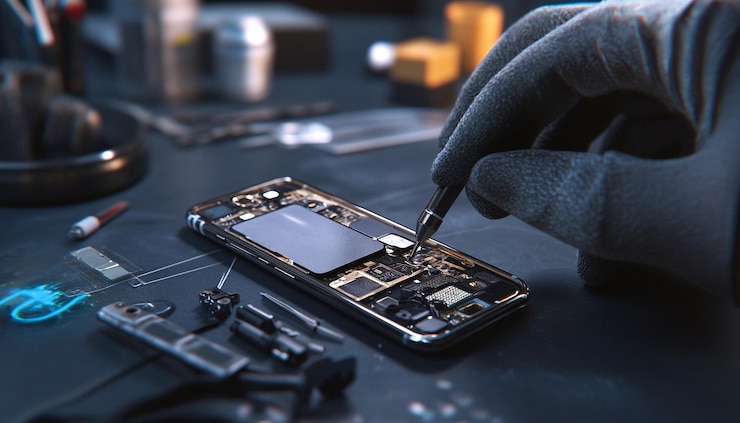
In today’s fast-paced world of electronics repair, precision is everything. Whether you are a DIY enthusiast repairing your smartphone at home, a professional phone repair technician, or a small business operating a repair shop, the need for accuracy and efficiency in handling tiny electronic components has never been greater. This is where soldering microscopes for electronic repair come into play—transforming how technicians view, manipulate, and fix intricate circuit boards and electronic parts.
At PHONEFIX, DIYFIXTool, and DIYPHONE, we specialize in providing high-quality mobile phone repair tools, parts, and accessories. Our range of soldering microscopes is designed to meet the unique needs of both individual users and professional technicians, ensuring every repair job is precise, efficient, and reliable.
Why Precision Matters in Electronic Repair
Electronic devices, from smartphones to laptops, are becoming increasingly compact. Modern smartphones contain microchips, solder joints, and components so small that the naked eye cannot accurately detect or repair them.
Traditional repair methods often involve guesswork or trial-and-error, which can result in damaged components, poor connections, and costly mistakes. This is where soldering microscopes for electronic repair become indispensable. By magnifying these tiny components, these microscopes provide unparalleled visibility, allowing technicians to perform delicate soldering tasks with confidence.
What Is a Soldering Microscope?
A soldering microscope is a specialized tool that combines high magnification with precise illumination, enabling users to see and work on extremely small electronic components. Unlike standard optical microscopes, soldering microscopes are designed specifically for repair work, offering features such as:
- Adjustable magnification: Typically ranging from 5x to 40x or more, enabling detailed inspection of solder joints and circuit traces.
- Bright LED lighting: Provides clear visibility without shadows or glare, ensuring accurate work even in poorly lit environments.
- Ergonomic design: Many soldering microscopes come with adjustable stands, allowing technicians to maintain a comfortable posture during long repair sessions.
- Digital display options: Some models include screens or USB connectivity for recording repairs or sharing visuals with colleagues and customers.
These features collectively make soldering microscopes a must-have tool for anyone serious about electronic repair.
Benefits of Using Soldering Microscopes
- Enhanced Precision
The most obvious benefit is precision. Soldering microscopes allow technicians to see the tiniest solder joints, reducing the risk of bridging connections or overheating components. This precision is critical when working with micro-SMDs or modern smartphone chips. - Improved Efficiency
By providing a clear view of components, soldering microscopes significantly speed up repair work. Technicians can locate and fix faults faster, increasing productivity and reducing turnaround time for clients. - Reduced Eye Strain
Eye strain is a common problem for technicians who spend hours working on small electronic components. Soldering microscopes reduce strain by offering clear, magnified visuals, allowing for longer, more comfortable work sessions. - Better Documentation
Advanced soldering microscopes with digital capabilities allow technicians to record repair processes or capture images of damaged components. This is invaluable for training, client transparency, or quality assurance. - Versatility
Beyond mobile phone repair, these microscopes are ideal for repairing tablets, laptops, gaming consoles, and other electronics, making them a versatile investment for any repair technician or shop.
Choosing the Right Soldering Microscope
Selecting the right soldering microscope depends on your specific needs. Here are some factors to consider:
- Magnification Level: For standard mobile phone repairs, 10x–20x magnification is sufficient. For highly detailed work, such as microchip soldering, higher magnification is preferable.
- Lighting: LED lighting is the most common, providing consistent illumination without generating excessive heat.
- Ergonomics: Adjustable arms, rotating heads, and comfortable viewing angles are essential for long repair sessions.
- Digital vs. Optical: Digital microscopes with screens are excellent for teaching or sharing visuals, while optical microscopes are ideal for hands-on, detailed soldering work.
- Durability: A sturdy build ensures that your microscope will withstand daily use in a busy repair shop.
At DIYFIXTool, we offer a carefully curated selection of soldering microscopes that cater to both individual DIY repair enthusiasts and professional technicians. Each model is tested for reliability, clarity, and precision to guarantee the best performance.
How to Use a Soldering Microscope for Phone Repair
Using a soldering microscope is straightforward, but mastering it requires practice:
- Position the Device: Place the circuit board or device under the microscope. Adjust the stand and focus for a clear view.
- Adjust Magnification: Start with low magnification to locate the repair area, then increase magnification for detailed soldering work.
- Illuminate Properly: Ensure the LED lights highlight the components without casting shadows.
- Perform the Repair: Use fine-tipped soldering irons or specialized tools while observing through the microscope. Precision is key—avoid rushing.
- Double-Check: After soldering, inspect the joints for any defects or bridges to ensure a reliable repair.
With consistent use, technicians can achieve repair quality that rivals factory standards, even for the most delicate components.
Soldering Microscopes: An Investment in Quality
Investing in a soldering microscope is more than just purchasing a tool—it’s investing in the quality of your repairs, the efficiency of your workflow, and your professional reputation. For DIY enthusiasts, it enhances your ability to confidently repair your own devices, saving time and money. For repair shops, it ensures faster turnaround times, higher repair success rates, and satisfied customers who trust your expertise.
At PHONEFIX, DIYFIXTool, and DIYPHONE, we understand that every repair matters. That’s why our soldering microscopes are designed to deliver reliability, clarity, and precision for all types of electronic repair work.
Conclusion: Precision Tools for a Precise Future
As electronic devices continue to shrink and technology becomes increasingly sophisticated, the demand for precise, high-quality repair tools grows. Soldering microscopes for electronic repair are not just tools—they are essential instruments that empower technicians and DIY enthusiasts to meet modern repair challenges with confidence and accuracy.
Investing in the right soldering microscope today can transform the way you approach electronics repair, improve efficiency, reduce errors, and elevate the overall quality of your work. As the field of electronics repair evolves, those equipped with precision tools will be the ones shaping the future—one solder joint at a time.
Explore our range of soldering microscopes at DIYFIXTool and take the first step toward achieving unparalleled precision and professional-quality repairs.