Spinal stenosis can slowly take away your comfort, mobility, and independence. What often begins as mild back stiffness or leg discomfort can progress into persistent pain, numbness, or even difficulty walking.
If you’re searching for effective spinal stenosis treatment in St. Louis, the key is not just managing symptoms—but treating the underlying cause. Experienced orthopedic spine surgeons in St. Louis focus on personalized, solution-driven care that helps patients regain mobility and quality of life.
What Is Spinal Stenosis?
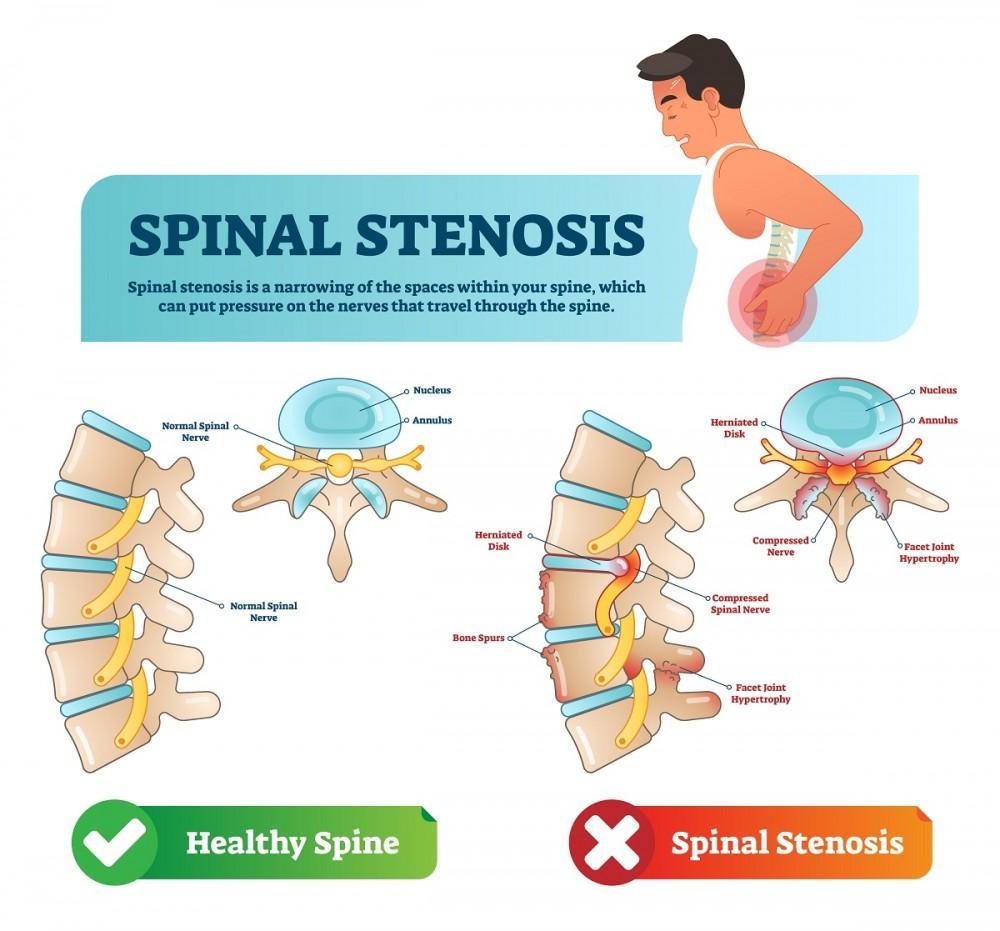
Spinal stenosis occurs when the spaces within your spine narrow, putting pressure on the spinal cord or nerves.
This condition most commonly affects:
-
The lower back (lumbar spine)
-
The neck (cervical spine)
As the space narrows, nerves become compressed leading to pain and neurological symptoms.
Common Symptoms You Shouldn’t Ignore
Spinal stenosis symptoms often develop gradually and worsen over time.
Watch for:
-
Lower back pain or stiffness
-
Pain radiating into the legs (sciatica)
-
Numbness or tingling in arms or legs
-
Weakness in muscles
-
Difficulty standing or walking for long periods
-
Relief when bending forward or sitting
These signs indicate nerve involvement and should not be ignored.
What Causes Spinal Stenosis?
Understanding the cause is essential for choosing the right treatment.
Common causes include:
-
Age-related degeneration
-
Herniated disc or bulging discs
-
Thickened ligaments
-
Bone spurs (arthritis)
-
Previous spinal injuries
-
Congenital narrow spinal canal
Most cases are related to natural wear and tear over time.
7 Proven Solutions for Spinal Stenosis Treatment
1. Physical Therapy and Guided Exercise
Physical therapy is often the first line of treatment.
It helps by:
-
Strengthening muscles that support the spine
-
Improving flexibility and posture
-
Reducing pressure on compressed nerves
Targeted exercises can significantly improve mobility and reduce pain.
2. Activity Modification
Certain movements can worsen symptoms.
Simple adjustments include:
-
Avoiding prolonged standing
-
Taking frequent breaks
-
Using supportive seating
-
Bending slightly forward when walking
These changes reduce nerve compression and discomfort.
3. Anti-Inflammatory Medications
Medications can help manage inflammation around compressed nerves.
They are typically used as part of a broader treatment plan—not as a long-term solution.
4. Epidural Steroid Injections
For moderate to severe symptoms, injections may be recommended.
They work by:
-
Reducing inflammation around nerves
-
Providing temporary pain relief
-
Allowing better participation in physical therapy
5. Minimally Invasive Procedures
When conservative treatments don’t provide relief, minimally invasive options may help.
These procedures:
-
Target the exact source of compression
-
Require smaller incisions
-
Offer faster recovery times
6. Surgical Treatment Options
In more advanced cases, surgery may be necessary.
Orthopedic spine surgeons in St. Louis may recommend procedures such as:
-
Decompression surgery (laminectomy)
-
Removal of bone spurs or disc material
-
Spinal fusion (if instability is present)
The goal is to relieve pressure on nerves and restore function.
7. Early Specialist Evaluation
One of the most important steps is consulting a specialist early.
Getting the right spinal stenosis treatment in St. Louis early can:
-
Prevent symptom progression
-
Reduce the need for surgery
-
Improve long-term outcomes
When Should You See a Spine Specialist?
You should consult orthopedic spine surgeons in St. Louis if you experience:
-
Persistent pain lasting more than a few weeks
-
Difficulty walking or standing
-
Pain that radiates into arms or legs
-
Numbness, tingling, or weakness
-
Loss of balance or coordination
Delaying treatment can lead to worsening nerve damage.
Can Spinal Stenosis Be Treated Without Surgery?
Yes—many patients improve with non-surgical treatments.
These include:
-
Physical therapy
-
Lifestyle changes
-
Pain management techniques
-
Injections
However, if symptoms are severe or progressive, surgery may be the best option.
Tips to Manage Spinal Stenosis Daily
Managing your condition daily can make a big difference.
Helpful strategies include:
-
Staying active with low-impact exercises
-
Maintaining good posture
-
Avoiding heavy lifting
-
Using supportive footwear
-
Keeping a healthy weight
Consistency is key to long-term relief.
Final Thoughts
Spinal stenosis doesn’t have to control your life. With the right combination of treatments and expert care, you can manage symptoms effectively and regain your mobility.
If you’re looking for reliable spinal stenosis treatment in St. Louis, consulting experienced orthopedic spine surgeons in St. Louis is the best step toward long-term relief and improved quality of life.
FAQs
What is the best treatment for spinal stenosis?
The best treatment depends on severity but often starts with physical therapy and lifestyle changes.
Can spinal stenosis go away on its own?
It usually doesn’t reverse, but symptoms can be managed effectively with proper treatment.
When is surgery needed for spinal stenosis?
Surgery is considered when pain is severe, mobility is limited, or nerve symptoms worsen.
Is walking good for spinal stenosis?
Yes, especially when done in a slightly forward-leaning position, as it can reduce pressure on nerves.
How do I know if my condition is serious?
If you experience weakness, numbness, or difficulty walking, seek medical attention promptly.