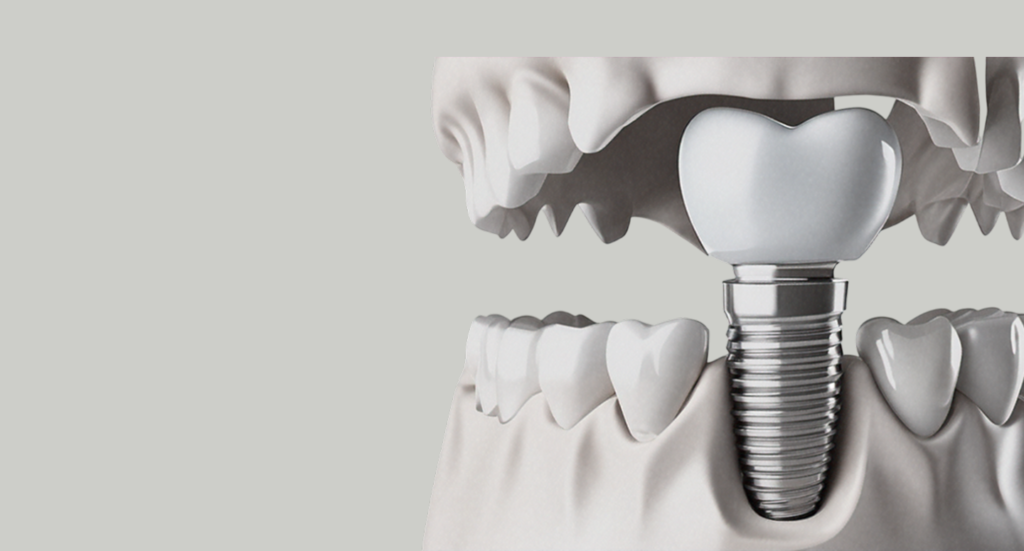
Dental implants have transformed modern dentistry, offering a long-lasting solution for missing teeth. One of the most important tools behind successful implant procedures is a surgical guide. This article walks you through everything you need to know about surgical guides, why they matter, and how they improve outcomes.
Surgical Guide For Dental Implants Explained
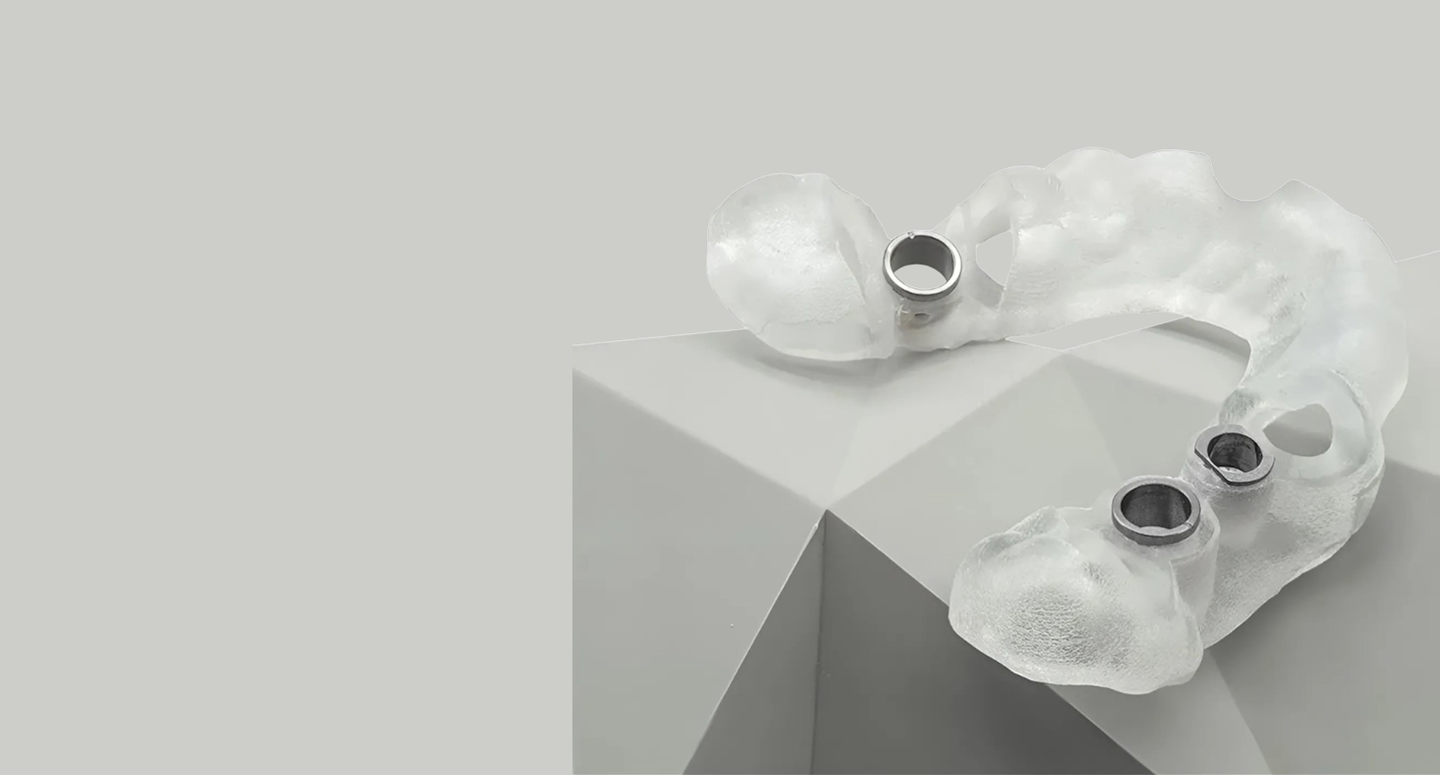
A surgical guide for dental implants is a custom-made device used by dentists or oral surgeons to place implants with high precision. It is typically designed using digital scans of a patient’s mouth and fabricated using advanced technologies like 3D printing. The guide fits over the patient’s teeth or gums and contains small openings that direct the exact angle, depth, and position of the implant drill.
This level of accuracy is crucial because dental implants must align perfectly with the jawbone and surrounding structures. Even a slight misalignment can lead to complications or implant failure. Surgical guides eliminate guesswork and help clinicians follow a pre-planned path, ensuring predictable and safe outcomes for patients.
Benefits Of Using A Surgical Guide For Dental Implants
One of the biggest advantages of using a surgical guide for dental implants is improved accuracy. When implants are placed precisely, they integrate better with the bone and last longer. This reduces the chances of complications such as nerve damage or improper bite alignment.
Another key benefit is reduced surgery time. Because the implant position is pre-planned, dentists can perform the procedure more efficiently. Patients also experience less discomfort and faster recovery times. Additionally, using implant surgical guides helps ensure consistency across cases, making it easier for dental professionals to achieve reliable results.
From a patient’s perspective, this technology offers peace of mind. Knowing that advanced planning and tools are being used can make the entire process less stressful and more predictable.
How Does A Surgical Guide Improve Implant Accuracy?
Accuracy is everything in dental implant procedures. A surgical guide improves accuracy by translating digital treatment planning into real-world execution. Dentists begin by taking 3D scans or CBCT images of the patient’s jaw. These scans are used to create a virtual model where the ideal implant position is determined.
Once the planning is complete, the surgical guide is fabricated to match this exact plan. During the procedure, the guide ensures that drills and implants follow the predetermined path. This minimizes human error and enhances precision, even in complex cases.
Another way surgical guides improve accuracy is by maintaining proper angulation. Implants must be placed at specific angles to support crowns, bridges, or dentures effectively. A guide ensures that these angles are consistent with the treatment plan, leading to better functional and aesthetic outcomes.
Types Of Surgical Guides Used In Dentistry
There are several types of surgical guides used in dental implant procedures, each designed for specific clinical situations. The most common types include tooth-supported, mucosa-supported, and bone-supported guides.
Tooth-supported guides are used when patients still have some natural teeth. These guides rest on the existing teeth, providing excellent stability and accuracy. Mucosa-supported guides are used for patients who are missing all teeth in a particular arch. They sit on the gum tissue and are often secured with fixation pins.
Bone-supported guides, on the other hand, are used in more complex cases where the guide rests directly on the jawbone. These are typically used during advanced surgeries where high precision is required. Each type has its own advantages, and the choice depends on the patient’s condition and the complexity of the procedure.
Why Are Surgical Guides Important In Modern Implant Dentistry?
Surgical guides have become an essential part of modern implant dentistry because they enhance both safety and efficiency. In traditional implant placement, dentists relied heavily on experience and manual judgment. While skilled professionals could achieve good results, there was always a margin of error.
With surgical guides, the process becomes more standardized and predictable. This is especially important for complex cases involving multiple implants or limited bone structure. The guide ensures that implants are placed in the most optimal positions, reducing the risk of complications.
Another reason for their importance is patient satisfaction. When procedures are quicker, less invasive, and more predictable, patients are more likely to have a positive experience. This leads to better trust and higher acceptance rates for implant treatments.
What To Expect During A Guided Implant Procedure?
If you’re considering dental implants, understanding the process can help ease any concerns. A guided implant procedure typically starts with a consultation and diagnostic imaging. Your dentist will take digital scans to assess your jawbone and plan the implant placement.
Once the plan is finalized, a custom surgical guide is created. On the day of the procedure, the guide is placed in your mouth to direct the implant placement. Because everything is pre-planned, the surgery is often quicker and less invasive than traditional methods.
After the implant is placed, a healing period is required for the implant to integrate with the bone. Follow-up visits ensure that everything is progressing as expected. Overall, guided procedures offer a smoother and more comfortable experience compared to conventional techniques.
Choosing The Right Surgical Guide Provider
Selecting the right provider for surgical guides is crucial for achieving the best results. Look for companies or labs that use advanced digital technologies and have a proven track record in implant dentistry. High-quality materials and precise manufacturing processes are essential for creating reliable guides.
It’s also important to consider customization options. Every patient is unique, and the guide should be tailored to individual needs. Providers that offer comprehensive support, including design assistance and consultation, can make a significant difference in the outcome.
Dentists should also evaluate turnaround times and cost-effectiveness. While quality should never be compromised, efficient production and reasonable pricing can help streamline the workflow and improve overall patient care.
Conclusion
Surgical guides have revolutionized dental implant procedures by making them more accurate, efficient, and predictable. Whether you’re a dental professional or a patient exploring implant options, understanding the role of surgical guides can help you make informed decisions.