Dental implant procedures have evolved significantly with the help of advanced technology. One of the most important innovations in modern implant dentistry is the use of surgical guides. These tools help dentists achieve greater accuracy, improve patient outcomes, and reduce the risk of complications during implant placement.
Surgical Guides For Dental Implants Explained
Surgical guides for dental implants are custom-made tools designed to assist dentists in placing implants with precision. These guides are typically created using digital scans, 3D imaging, and specialized software that maps out the patient’s oral anatomy. Based on this data, a guide is fabricated to ensure the implant is placed at the correct angle, depth, and position.
The main goal of using surgical guides is to eliminate guesswork during the procedure. By following a pre-planned path, dentists can perform implant surgeries more efficiently and with greater confidence. This is especially useful in complex cases where precision is critical, such as when working near nerves or sinus cavities.
Benefits Of Surgical Guides For Dental Implants
Surgical guides for dental implants offer numerous advantages for both dentists and patients. One of the biggest benefits is improved accuracy. By following a detailed plan, dentists can place implants exactly where they are needed, reducing the chances of misalignment or complications.
Another major advantage is reduced surgery time. Since much of the planning is done beforehand, the actual procedure becomes quicker and more efficient. This not only improves the patient experience but also allows dental practices to manage their time more effectively.
Patients also benefit from less discomfort and faster recovery. Precise implant placement minimizes tissue damage, leading to quicker healing and better overall outcomes.
How Do Surgical Guides Work?
Surgical guides work through a combination of digital planning and physical guidance during the procedure. The process begins with a detailed scan of the patient’s mouth, often using CBCT (Cone Beam Computed Tomography) technology. This scan provides a 3D view of the bone structure, nerves, and surrounding tissues.
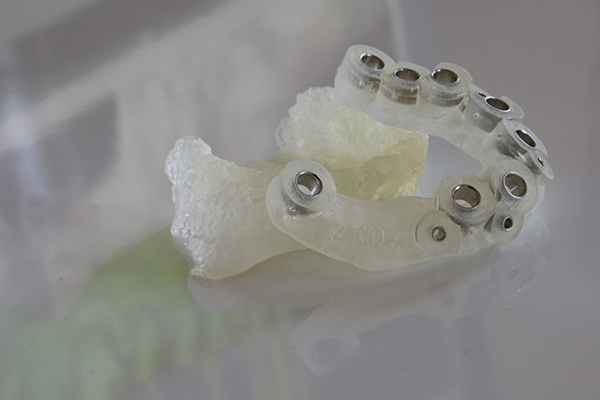
Using this data, dentists create a virtual treatment plan that determines the optimal placement of the implant. The plan is then used to design a surgical guide, which is usually 3D printed. This guide fits securely over the patient’s teeth or gums and contains openings that direct the drilling process.
During the surgery, the dentist uses the guide to position the implant precisely according to the plan. This ensures consistency and accuracy, even in complex cases. The entire process is designed to improve predictability and reduce the risk of errors.
Why Are Surgical Guides Important In Modern Dentistry?
Surgical guides have become an essential part of modern dentistry due to their ability to enhance precision and safety. Traditional implant placement methods rely heavily on the dentist’s experience and judgment. While skilled professionals can achieve excellent results, there is always a margin for error.
With surgical guides, this margin is significantly reduced. The pre-planned approach ensures that implants are placed in the most optimal position, improving both function and aesthetics. This is particularly important for patients who require multiple implants or full-mouth restorations.
Another reason for their importance is patient confidence. Knowing that advanced technology is being used can help patients feel more comfortable and reassured about the procedure. This can lead to better patient satisfaction and increased trust in the dental practice.
What Types Of Surgical Guides Are Available?
There are several types of surgical guides available, each designed for specific clinical needs. Tooth-supported guides are commonly used when the patient has existing teeth that can support the guide. These are highly stable and provide excellent accuracy.
Mucosa-supported guides are used for patients without teeth, relying on the gum tissue for support. These are often used in full-arch implant procedures. Bone-supported guides, on the other hand, are placed directly on the bone and are typically used in more complex cases where additional stability is required.
Each type of guide has its own advantages and is selected based on the patient’s condition and treatment plan. The choice of guide plays a crucial role in the success of the procedure, making it important for dentists to carefully evaluate each case.
How To Choose The Right Surgical Guide?
Choosing the right surgical guide involves several factors, including the complexity of the case, the patient’s anatomy, and the dentist’s experience. One of the first considerations is the type of support needed—whether tooth-supported, mucosa-supported, or bone-supported.
Accuracy and fit are also critical. A well-designed guide should fit securely and align perfectly with the treatment plan. Any deviation can affect the outcome of the procedure. لذلك، working with experienced professionals and using high-quality materials is essential.
Technology also plays a key role. Advanced imaging and software tools can significantly improve the design and effectiveness of surgical guides. Dentists should look for solutions that integrate seamlessly with their existing workflow.
Future Of Surgical Guides In Implant Dentistry
The future of surgical guides in implant dentistry looks promising, with continuous advancements in technology driving innovation. 3D printing, artificial intelligence, and improved imaging techniques are making these guides more accurate and accessible than ever before.
As technology evolves, we can expect even greater precision and efficiency in implant procedures. This will not only improve patient outcomes but also expand the possibilities for complex treatments. Dentists will be able to plan and execute procedures with a level of detail that was previously unimaginable.
Conclusion
Surgical guides for dental implants have revolutionized the way implant procedures are performed. By providing unmatched accuracy, efficiency, and safety, these tools have become an indispensable part of modern dentistry. Whether you’re a dental professional or a patient exploring treatment options, understanding the value of surgical guides can help you make informed decisions and achieve better outcomes.