Techwear and streetwear shape modern fashion in different ways. Both styles influence daily outfits, social media trends, and youth culture. Many people mix them, but they follow different rules and purposes. Understanding the differences helps you dress better and choose pieces that fit your lifestyle. This guide explains what sets techwear and streetwear apart and how to style each one correctly.
What Is Streetwear
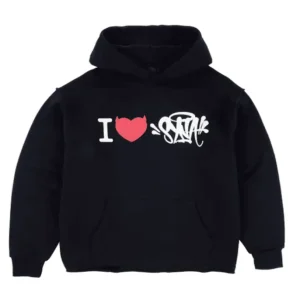
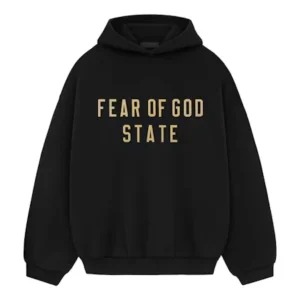
Streetwear comes from urban culture. It grew from skateboarding, hip hop, and youth movements. The style focuses on comfort, self expression, and relaxed fits. Streetwear values individuality more than rules. People wear it daily for school, travel, and social outings.
Streetwear includes hoodies, graphic tees, joggers, cargos, sneakers, and caps. Brands often release limited pieces, which adds exclusivity. Colors, logos, and prints play a big role in this style.
What Is Techwear
Techwear focuses on function and performance. It draws inspiration from military gear, outdoor clothing, and future concepts. Techwear prioritizes weather resistance, movement, and utility. Many pieces include zippers, straps, pockets, and adjustable features.
Techwear often uses synthetic fabrics that resist water and wind. The look feels sharp, tactical, and futuristic. Dark colors dominate techwear, especially black, grey, and olive.
Core Differences Between Techwear and Streetwear
Streetwear centers on culture and comfort. Techwear centers on performance and protection. Streetwear pieces feel casual and expressive. Techwear pieces feel structured and engineered.
Streetwear welcomes loose rules and creativity. Techwear follows strict design logic. Every techwear detail serves a purpose. Streetwear focuses more on visual impact and attitude.
Fabric and Material Choices
Streetwear relies on cotton, fleece, denim, and blends. These fabrics feel soft and breathable. Comfort stays the top priority. Streetwear fabrics work well for everyday wear.
Techwear uses nylon, Gore Tex, polyester, and performance blends. These fabrics repel water, block wind, and dry fast. Techwear materials feel lighter but more technical.
Fabric choice defines how each style performs in different environments.
Fit and Silhouette Differences
Streetwear embraces oversized and relaxed fits. Hoodies sit loose. Pants feel wide or tapered. Layering adds volume and personality.
Techwear uses tailored fits with adjustable elements. Pants often taper sharply. Jackets include straps and drawstrings for fit control. The silhouette looks sharp and structured.
Both styles rely on balance, but they achieve it differently.
Color Palettes Explained
Streetwear uses a wide color range. Bright tones, pastels, neutrals, and bold graphics all work. The style encourages experimentation.
Techwear sticks to muted tones. Black dominates most outfits. Grey, olive, and dark brown appear often. Color rarely distracts from function.
Choosing colors helps define the overall vibe of your outfit.
Styling Streetwear the Right Way
Streetwear styling focuses on balance and comfort. Pair oversized tops with straight or tapered bottoms. Use sneakers to ground the look. Accessories like caps and crossbody bags add personality.
A matching set works well when styled cleanly. A nofs tracksuit fits streetwear perfectly when paired with simple sneakers and minimal accessories. Keep the outfit relaxed and effortless.
Streetwear looks best when it feels natural rather than forced.
Styling Techwear the Right Way
Techwear styling requires structure. Start with a base layer like a fitted tee or long sleeve top. Add a functional jacket with pockets or weather resistance. Choose tapered pants with technical details.
Footwear matters in techwear. Sneakers or boots should support movement and durability. Avoid bright colors that break the tactical feel.
Techwear outfits should look purposeful and clean.
Layering Differences
Streetwear layering focuses on visual interest. Hoodies, flannels, overshirts, and jackets create depth. Layers often stay loose.
Techwear layering focuses on function. Base layers manage moisture. Mid layers provide insulation. Outer layers protect from weather. Each layer serves a specific role.
Understanding layering helps you adapt each style to different seasons.
Accessories in Streetwear
Streetwear accessories express personality. Chains, rings, caps, and bags add flair. Accessories often act as statement pieces.
A relaxed outfit with joggers and a hoodie works well with simple accessories. A nofs jogger supports streetwear styling when paired with a tee and clean sneakers.
Accessories complete the outfit without adding complexity.
Accessories in Techwear
Techwear accessories focus on utility. Backpacks, sling bags, and gloves serve functional purposes. Accessories blend into the outfit rather than stand out.
Belts, clips, and straps often appear as part of the garment itself. Sunglasses with sharp frames match the futuristic look.
Techwear accessories should never feel decorative only.
Footwear Comparison
Streetwear footwear includes sneakers, skate shoes, and lifestyle trainers. Comfort and branding matter most.
Techwear footwear focuses on grip, durability, and support. Soles feel thicker and more rugged. Shoes often look aggressive and structured.
Choosing the right footwear anchors each style properly.
Mixing Techwear and Streetwear
Many people mix these styles successfully. Use streetwear basics with techwear outerwear. Keep the base simple and let one technical piece stand out.
For example, pair a clean hoodie with tech pants or a technical jacket. Avoid mixing too many elements from both styles in one outfit.
Balance keeps the outfit wearable.
When to Choose Streetwear
Streetwear works best for casual settings. It fits daily routines, travel, and social events. Comfort and self expression stay central.
Streetwear also adapts easily to trends and seasons. It allows creativity without strict rules.
Choose streetwear when comfort and personality matter most.
When to Choose Techwear
Techwear suits active lifestyles and harsh weather. It works well for travel, outdoor movement, and urban environments. Function comes first.
Techwear outfits feel intentional and sharp. Choose this style when protection and performance matter.
Investment and Longevity
Streetwear pieces rotate often due to trends. Quality still matters, but styles change faster.
Techwear pieces last longer due to durable materials. Higher cost often reflects performance benefits.
Choose based on how often you plan to wear each item.
Building a Wardrobe With Both Styles
A balanced wardrobe includes both styles. Streetwear covers comfort and expression. Techwear covers protection and utility.
Start with basics from each style. Add statement pieces gradually. A nofs tracksuit original hoodie blends easily into streetwear while layering well with tech inspired outerwear.
This approach keeps your wardrobe flexible.
Final Thoughts
Techwear and streetwear serve different purposes, but both shape modern fashion. Streetwear highlights culture, comfort, and creativity. Techwear highlights function, durability, and future design.
Understanding their differences helps you dress with confidence. Choose the style that fits your needs, environment, and personality. When styled correctly, both looks feel powerful, modern, and intentional.