Healthy skin is more than a cosmetic goal. It protects the body, regulates temperature, and acts as the first line of defense against infection. When skin is damaged due to injury, surgery, burns, or chronic wounds, proper healing becomes essential not only for appearance but also for overall health. Today, advanced regenerative technologies like skin substitute and amniotic skin graft treatments are transforming how clinicians approach skin repair.
These innovative solutions are gaining attention in both medical and aesthetic fields. They offer improved healing outcomes, reduced scarring, and better overall skin restoration. As more patients seek treatments that support natural regeneration, these biologic therapies continue to grow in popularity.
Understanding Skin Substitute Technology
A skin substitute is a bioengineered or biologically derived material designed to temporarily or permanently replace damaged skin. It acts as a protective barrier while supporting the body’s natural healing process. These products are often used in cases involving chronic wounds, burns, surgical incisions, or trauma.
Unlike traditional dressings, a skin substitute does more than cover a wound. It creates an environment that encourages cell growth, moisture balance, and tissue regeneration. Some substitutes are made from synthetic materials, while others are derived from natural tissue sources that mimic the structure of human skin.
The main goal is to:
-
Protect the wound from infection
-
Promote faster healing
-
Reduce inflammation
-
Minimize scarring
-
Improve cosmetic outcomes
Because of these benefits, skin substitute products are widely used in wound care centers, hospitals, and specialized dermatology practices.
What Is an Amniotic Skin Graft?
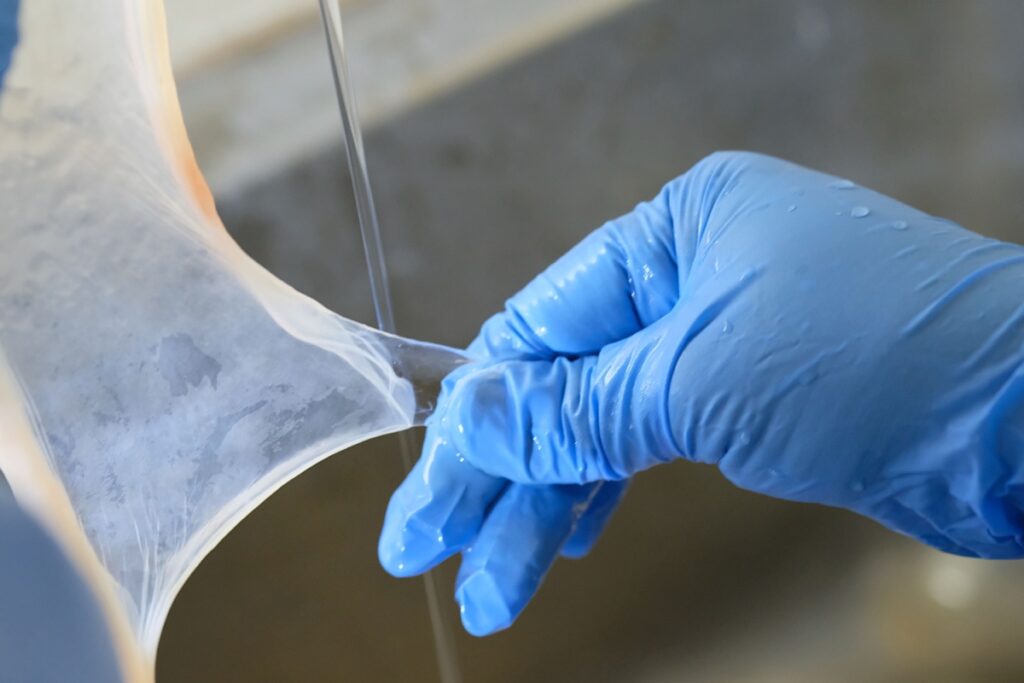
An amniotic skin graft is derived from the amniotic membrane, a layer of tissue that surrounds and protects a developing baby during pregnancy. This membrane is naturally rich in growth factors, collagen, and proteins that support tissue repair and reduce inflammation.
In medical applications, the amniotic membrane is carefully processed, sterilized, and preserved for therapeutic use. When applied to damaged skin, it helps stimulate regeneration while creating a protective barrier.
Amniotic skin graft treatments are known for:
-
Supporting natural tissue growth
-
Reducing inflammation and discomfort
-
Lowering the risk of excessive scar formation
-
Encouraging faster wound closure
Because of these properties, amniotic skin graft products are commonly used in advanced wound care, reconstructive procedures, and certain cosmetic treatments.
The Growing Role in Beauty and Aesthetic Medicine
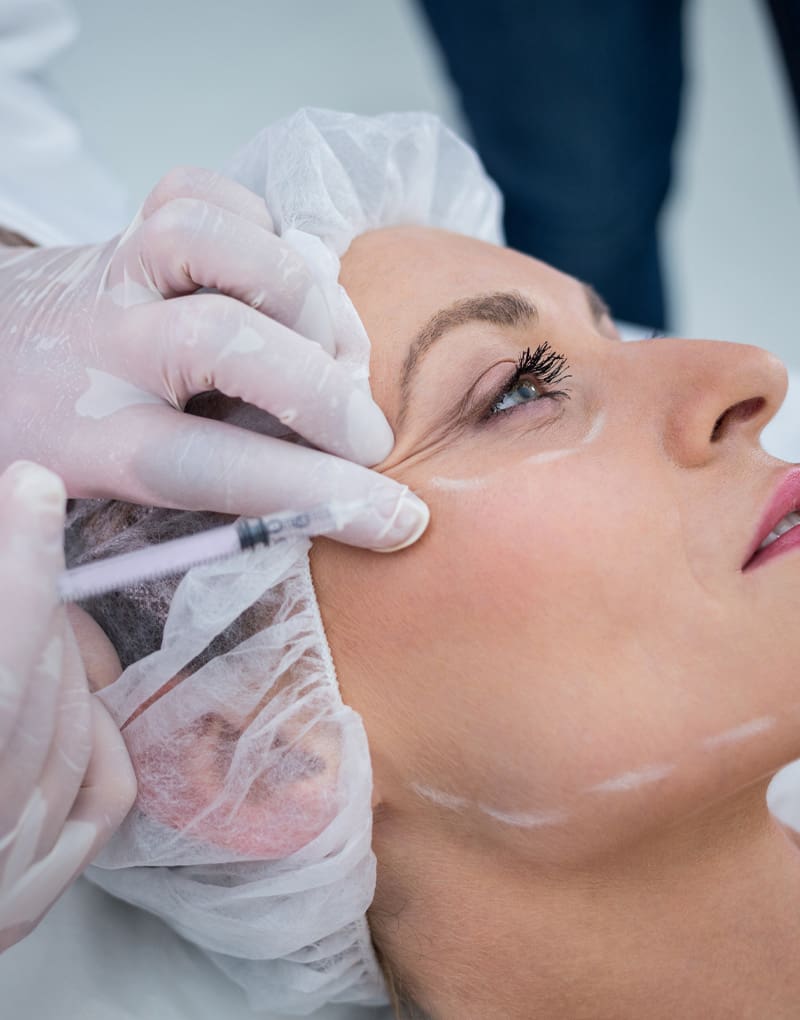
While originally developed for medical wound care, both skin substitute and amniotic skin graft solutions are increasingly being used in aesthetic procedures. Patients today want treatments that not only improve appearance but also enhance skin health from within.
After procedures such as laser resurfacing, chemical peels, or minor surgical treatments, the skin needs time and support to heal properly. Advanced biologic grafts can accelerate recovery while improving overall results. By reducing inflammation and supporting cellular repair, these products help patients achieve smoother, healthier-looking skin.
This shift reflects a broader trend in beauty and skincare. Instead of masking damage, modern treatments focus on regeneration and long-term skin vitality.
Benefits Beyond Appearance
The appeal of skin substitute and amniotic skin graft technologies extends beyond cosmetic improvement. For individuals dealing with chronic wounds, diabetic ulcers, or post-surgical healing, these treatments can significantly improve quality of life.
Chronic wounds can lead to infection, prolonged discomfort, and extended recovery times. By promoting faster closure and reducing complications, advanced skin substitutes help patients return to normal activities sooner.
Additionally, minimizing scar formation has both physical and emotional benefits. Visible scarring can affect confidence and self-image. By supporting more natural healing, these regenerative solutions help improve not only physical recovery but also emotional well-being.
Why Popularity Is Increasing
Several factors contribute to the rising demand for these advanced treatments:
1. Focus on Regenerative Medicine
Healthcare is shifting toward therapies that support the body’s natural ability to heal. Skin substitute and amniotic skin graft products align perfectly with this approach.
2. Improved Clinical Outcomes
Research and clinical experience show better healing rates, fewer complications, and improved cosmetic results compared to traditional methods alone.
3. Growing Awareness
As patients become more informed, they seek innovative options that provide long-term benefits rather than temporary fixes.
4. Versatile Applications
These products can be used in wound care, reconstructive surgery, dermatology, and aesthetic procedures, making them highly adaptable across specialties.
5. Reduced Recovery Time
Faster healing and less inflammation mean shorter downtime, which is especially appealing in aesthetic treatments.
Safety and Quality Considerations
Safety is a key priority in biologic therapies. Reputable providers follow strict processing and preservation standards to ensure purity and compliance. Proper screening and sterilization help maintain safety while preserving the beneficial properties of the tissue.
Patients should always consult qualified healthcare professionals to determine whether a skin substitute or amniotic skin graft is appropriate for their condition. Treatment decisions depend on wound type, overall health, and specific recovery goals.
The Future of Skin Restoration
The future of skin care and wound management lies in combining medical science with natural healing principles. As regenerative technologies continue to evolve, skin substitute and amniotic skin graft solutions are expected to play an even larger role in both medical and aesthetic fields.
Researchers are exploring ways to enhance these products with additional growth factors, improved preservation methods, and customized applications. With ongoing innovation, patients can expect even more effective and accessible treatment options.
Conclusion
The beauty of healing goes beyond surface appearance. It involves restoring strength, function, and confidence. Advanced therapies like skin substitute and amniotic skin graft treatments represent a powerful shift toward regenerative care. By supporting natural tissue repair, reducing inflammation, and improving cosmetic outcomes, these solutions offer meaningful benefits for both health and beauty.
As awareness grows and technology advances, more patients and healthcare providers are embracing these innovative options. Whether used in complex wound care or aesthetic recovery, skin substitute and amniotic skin graft therapies continue to redefine what is possible in modern skin restoration.