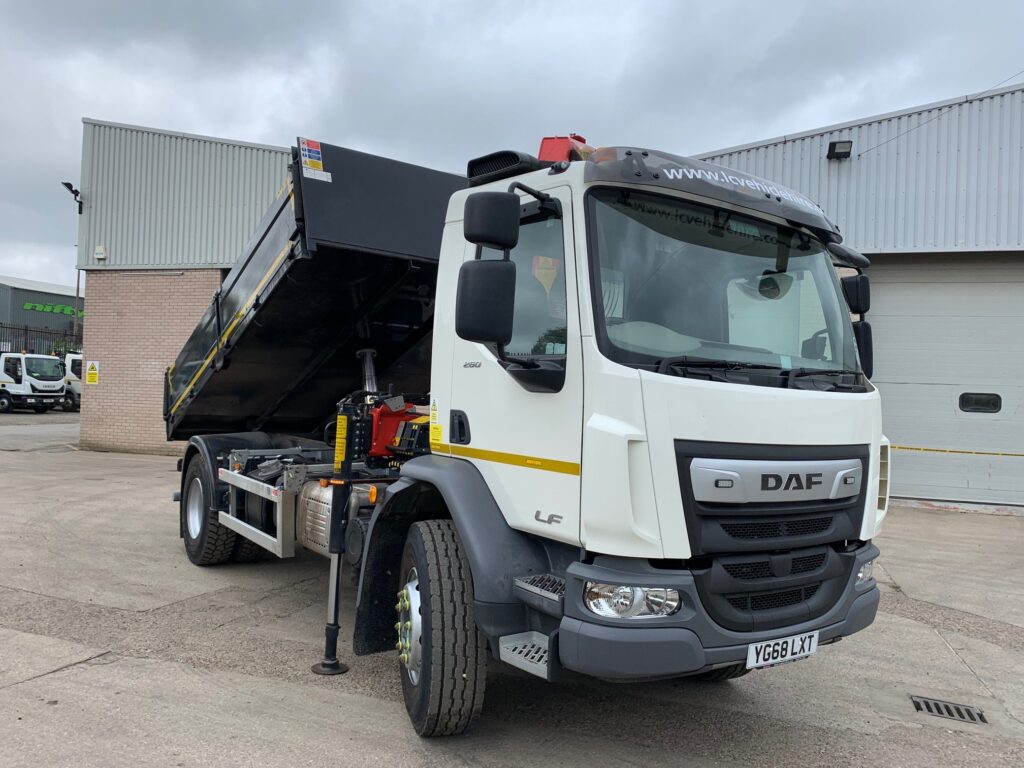
Hiring a grab wagon can save you time, money, and effort when you need to transport bulk materials such as soil, gravel, construction debris, or garden waste. Whether you’re a homeowner tackling a renovation project or a contractor managing a large-scale construction site.
A grab wagon can make the logistics of moving heavy materials significantly easier. However, to maximize efficiency and avoid unnecessary costs, it’s crucial to plan carefully. This “Complete Checklist for Grab Wagon Hire” covers everything you need to consider before, during, and after hiring.
1. Identify Your Requirements
The first step in hiring a grab wagon is understanding your specific needs. Ask yourself:
Material Type: Are you transporting soil, rubble, green waste, sand, or demolition materials? Some materials may require specific wagon types due to weight or handling requirements.
Volume and Weight: Estimate the total volume (in cubic meters) and weight of the material to ensure the wagon you hire can handle it safely. Overloading can result in fines or damage.
Frequency of Use: Are you hiring the grab wagon for a one-off project or multiple deliveries? Some companies offer discounted rates for repeat or long-term hire.
Accurately assessing these factors helps you choose the right vehicle size and avoid last-minute complications.
2. Research Grab Wagon Providers
Once you know your requirements, start researching local providers. Key points to evaluate include:
Fleet Options: Ensure the company has a variety of wagons suitable for your material and project size.
Reputation and Reviews: Check online reviews, ratings, and testimonials. Reliable companies are likely to provide punctual, safe, and professional services.
Licensing and Compliance: Make sure the provider meets all legal requirements, including insurance, vehicle registration, and operator licenses. This protects you from liability in case of accidents or damage.
Service Coverage: Verify whether they operate in your area and if there are additional fees for long-distance transportation.
Contact at least three providers to compare services, availability, and pricing.
3. Understand Pricing Structures
Grab wagon hire pricing can vary based on several factors. Understanding how you’ll be charged ensures there are no surprises:
By Volume or Weight: Some companies charge by the cubic meter, others by the ton. Clarify which applies to your materials.
Travel Distance: Additional fees may apply if the pickup or drop-off locations are outside the provider’s standard service radius.
Duration of Hire: Determine if the hire is for a single day, multiple days, or project duration. Late returns may incur extra charges.
Access and Loading Requirements: If the site is difficult to access or requires special equipment, there may be additional fees.
Always ask for a detailed, written quote to avoid hidden costs.
4. Check Site Accessibility
Before the grab wagon arrives, ensure your site is prepared and accessible:
Vehicle Access: The site should have a clear path wide enough for the wagon and crane arm to operate safely.
Ground Conditions: Soft, uneven, or muddy surfaces may restrict access for heavy vehicles. Consider laying temporary boards or gravel to stabilize the ground.
Obstructions: Remove low-hanging wires, overhanging branches, or other obstacles that could interfere with the grab arm.
Parking and Offloading Space: Ensure there is enough room for the wagon to park and deposit materials safely without blocking traffic or damaging property.
Proper planning at this stage prevents delays and additional charges.
5. Confirm Loading Requirements
Grab wagons use hydraulic arms to lift and deposit materials, but understanding loading procedures is essential:
Material Placement: Keep materials in piles that the grab arm can reach easily. Irregularly spread or compacted piles may require manual assistance.
Safety Precautions: Ensure no one stands near the loading area while the grab arm is in operation. Clear signage and safety barriers may be necessary for busy sites.
Prohibited Materials: Some providers restrict hazardous or toxic materials, asbestos, chemicals, or liquids. Confirm the type of material you are transporting.
Communicating your loading requirements with the provider ensures smooth and safe operations.
6. Understand Waste Disposal and Recycling Rules
If your grab wagon hire involves removing waste or debris, knowing local disposal rules is critical:
Landfill or Recycling Facilities: Ask the provider whether they handle disposal or if you need to arrange it. Some companies include disposal in the service, while others charge extra.
Segregation Requirements: Certain materials, such as concrete, timber, or green waste, may need to be separated. Check if the company provides containers or expects pre-sorted waste.
Environmental Compliance: Ensure that all waste disposal follows local regulations to avoid fines.
This step is especially important for construction projects, where waste management is strictly regulated.
7. Schedule and Confirm the Hire
Once you’ve selected a provider and confirmed all details, schedule the hire:
Booking in Advance: Grab wagons are often in high demand, particularly during peak construction or garden seasons. Early booking guarantees availability.
Confirm the Details: Double-check date, time, vehicle type, material volume, and site address with the provider.
Contingency Plan: Discuss alternative arrangements in case of unexpected delays or weather issues.
A clear schedule prevents last-minute chaos and ensures your project runs smoothly.
8. Safety and Insurance Considerations
Safety is paramount when using heavy vehicles like grab wagons:
Operator Qualifications: Ensure the driver is trained and certified to operate the vehicle.
Insurance Coverage: Verify that both the vehicle and operator are insured. Some providers also offer additional coverage for site damage.
Site Safety Measures: Keep bystanders away, use appropriate PPE (hard hats, hi-vis vests), and follow all health and safety guidelines.
Proper safety planning reduces risks and protects both personnel and property.
9. Inspect and Return the Wagon
After the project, follow these steps:
Inspect the Vehicle: Check for damage and ensure the wagon is returned in the same condition. Document any issues with photos if needed.
Final Invoice: Confirm charges, including fuel, disposal fees, or extra time. Compare with the initial quote to ensure accuracy.
Feedback: Leave a review or provide feedback to help others make informed choices.
Timely return and proper documentation help maintain good relationships with providers and prevent disputes.
10. Additional Tips for Efficient Grab Wagon Hire
Plan Multiple Loads: If your project requires multiple trips, try to schedule them back-to-back to reduce waiting times.
Combine Services: Some companies offer additional services like mini-digger hire or manual loading assistance, which can save time.
Seasonal Considerations: During wet or winter months, ground conditions may affect vehicle access. Plan accordingly.
Communication: Maintain clear communication with the provider, especially if project details change.
Being proactive and thorough can significantly enhance the efficiency and cost-effectiveness of your grab wagon hire.
Conclusion
Hiring a grab wagon can be a game-changer for projects involving heavy materials, but success depends on careful planning and attention to detail. From understanding your material requirements to confirming site access, pricing, safety, and disposal, each step in this checklist ensures smooth, efficient operations. By following this comprehensive guide, you can minimize costs, reduce delays, and complete your project safely and efficiently.
A well-executed grab wagon hire is more than just renting a vehicle—it’s about planning, communication, and safety. Use this checklist as your reference, and you’ll be well-prepared for any project, whether it’s a home renovation, garden landscaping, or a major construction job.