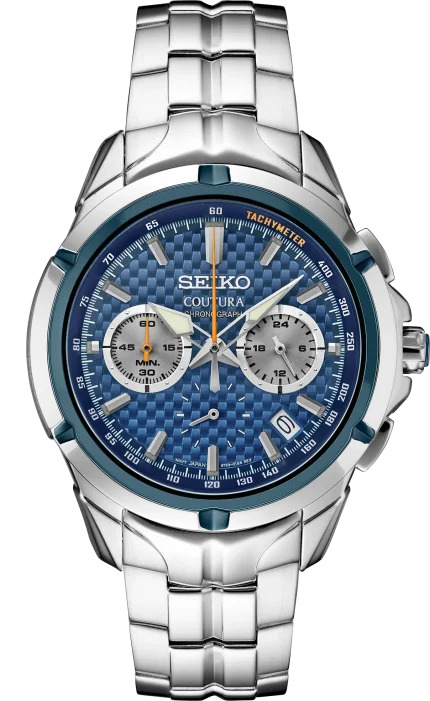
In the world of horology, few names command as much respect and recognition as Seiko. For more than a century, Seiko has represented a unique fusion of tradition, innovation, precision, and accessibility. From humble beginnings in Tokyo to becoming a global powerhouse in watchmaking, Seiko’s journey is a story of vision, resilience, and technological leadership. Today, the brand stands as a symbol of Japanese craftsmanship and forward-thinking engineering.
The Origins of Seiko
Seiko’s story began in 1881, when a young entrepreneur named Kintaro Hattori opened a small watch and jewelry shop in Tokyo. His ambition was simple yet bold: to always be “one step ahead of the rest.” This guiding principle became the foundation of Seiko’s corporate philosophy. In 1892, Hattori established the Seikosha factory, which began producing clocks. The name “Seikosha” translates roughly to “House of Exquisite Workmanship,” reflecting the brand’s early dedication to quality.
By 1924, the company introduced its first wristwatch under the name Seiko. Over time, the brand expanded its manufacturing capabilities, eventually becoming one of the few fully integrated watchmakers in the world. Seiko designs and produces nearly every component of its watches in-house, including movements, cases, dials, and even lubricating oils. This vertical integration has allowed the company to maintain strict quality standards while continuing to innovate.
The Quartz Revolution
Perhaps Seiko’s most significant contribution to the watch industry came in 1969 with the release of the Seiko Quartz Astron. This was the world’s first commercially available quartz wristwatch. Unlike traditional mechanical watches, which rely on intricate gears and springs, quartz watches use a battery and a quartz crystal oscillator to keep time with remarkable accuracy.
The introduction of the Quartz Astron marked the beginning of what became known as the “Quartz Revolution.” Quartz technology dramatically improved timekeeping precision while reducing production costs. As a result, watches became more affordable and accessible to a wider audience. Although the rise of quartz initially disrupted many traditional watchmakers, it ultimately reshaped the global industry. Seiko’s pioneering spirit during this period cemented its reputation as a technological leader.
Mechanical Mastery and Spring Drive
Despite its success with quartz technology, Seiko never abandoned mechanical watchmaking. Instead, the company continued to refine and elevate traditional craftsmanship. One of its most impressive achievements is the development of the Spring Drive movement.
Spring Drive combines the power source of a mechanical watch—a mainspring—with an innovative electronic regulator. The result is extraordinary accuracy and a perfectly smooth, gliding second hand that distinguishes Spring Drive watches from both quartz and traditional mechanical models. This hybrid technology reflects Seiko’s philosophy of blending old and new rather than choosing between them.
Seiko also introduced Kinetic technology, which converts the wearer’s wrist motion into electrical energy. Kinetic watches offer the convenience of quartz accuracy without the need for frequent battery replacements. These innovations demonstrate Seiko’s ongoing commitment to practical, user-focused engineering.
Iconic Product Lines
Over the decades, Seiko has developed a wide range of collections that cater to different lifestyles and budgets.
One of the most beloved lines is Seiko 5, introduced in 1963. Known for its reliability and affordability, Seiko 5 watches typically feature automatic movements, day-date displays, water resistance, and durable construction. For many watch enthusiasts, a Seiko 5 is their first mechanical timepiece, offering an accessible entry point into the world of horology.
The Seiko Prospex collection is designed for sports and adventure. “Prospex” stands for “Professional Specifications,” and these watches are built to meet demanding standards. Seiko’s dive watches, in particular, are highly respected. Many models meet ISO certification for professional diving and are trusted by explorers and underwater professionals worldwide.
For those seeking elegance, the Seiko Presage line emphasizes refined design and traditional craftsmanship. Presage watches often feature enamel or porcelain dials, showcasing Japanese artistry and attention to detail. These timepieces balance aesthetic beauty with mechanical reliability.
At the pinnacle of Seiko’s offerings is Grand Seiko. Originally launched in 1960 as a high-end line within Seiko, Grand Seiko has since become an independent luxury brand. It is renowned for its exceptional finishing, precision movements, and nature-inspired designs. Grand Seiko watches often rival or surpass their Swiss counterparts in terms of accuracy and craftsmanship, reflecting Japan’s distinct approach to luxury watchmaking.
Design Philosophy and Craftsmanship
Seiko’s design philosophy is deeply influenced by Japanese aesthetics. Simplicity, harmony, and respect for nature are recurring themes. Many dials are inspired by natural landscapes, such as snow-covered fields, forests, or flowing water. These subtle references create depth and texture without overwhelming the overall design.
In higher-end models, Seiko employs the Zaratsu polishing technique to achieve mirror-like surfaces free from distortion. This meticulous process requires skilled artisans and highlights the brand’s dedication to precision and beauty.
Furthermore, Seiko’s commitment to in-house manufacturing ensures consistency and innovation. By controlling nearly every stage of production, the company can experiment with new materials, improve durability, and enhance timekeeping accuracy.
Global Influence and Cultural Impact
Seiko’s influence extends beyond technological achievements. The brand has served as the official timekeeper for numerous international sporting events, including several Olympic Games. This role underscores Seiko’s reputation for accuracy and reliability under pressure.
Seiko watches have also made appearances in films, television shows, and popular culture. From professional divers to astronauts and athletes, many individuals have trusted Seiko timepieces in demanding environments. This widespread presence has contributed to the brand’s global recognition and appeal.
A Brand for Everyone
One of Seiko’s greatest strengths is its accessibility. While some watch brands focus exclusively on luxury or entry-level markets, Seiko spans a broad price range. Whether someone is purchasing their first affordable automatic watch or investing in a high-end Grand Seiko masterpiece, the brand offers consistent quality and thoughtful design.
This versatility has cultivated a loyal following among collectors and casual wearers alike. Vintage Seiko models remain highly sought after, and modern releases continue to generate excitement within the watch community.
Conclusion
Seiko’s journey from a small Tokyo shop to an internationally respected watchmaker is a testament to vision, perseverance, and innovation. By pioneering quartz technology, refining mechanical movements, and maintaining a strong commitment to craftsmanship, Seiko has shaped the watch industry in profound ways.
More than just a manufacturer of timepieces, Seiko represents a philosophy: blending tradition with progress, artistry with engineering, and precision with accessibility. As the brand continues to evolve, it remains true to its founding principle of staying one step ahead—ensuring that Seiko’s legacy will endure for generations to come.