Trust is a quiet force. It shapes daily choices without announcing itself. People trust alarm clocks to wake them up, maps to guide them, and payment apps to handle money. In modern cities, taxi apps have joined this trusted circle. Millions of people step into cars driven by strangers every day, guided by an app on their phone, without hesitation. This level of trust did not appear by chance. It was built carefully through design, behavior, and psychology.
Understanding why people trust taxi apps means looking beyond technology. It requires exploring how the human brain reacts to predictability, transparency, control, and reassurance. Taxi apps succeed not just because they move people efficiently, but because they reduce fear, doubt, and uncertainty at every stage of the journey.
In the early stages of building such platforms, a Taxi App Development company focuses not only on features but also on emotional responses. Every screen, notification, and interaction plays a role in shaping how safe and reliable the service feels. Trust, after all, is experienced emotionally before it is justified logically.
Trust Begins with Reduced Uncertainty
One of the strongest drivers of trust is certainty. The human mind dislikes the unknown. Traditional street taxis often created anxiety: unclear fares, uncertain arrival times, and no information about the driver. Taxi apps removed much of this uncertainty in one move.
From the moment a ride is booked, users see what will happen next. They know who the driver is, when the car will arrive, and how much the ride will cost. This clear sequence calms the brain. When people can predict outcomes, stress levels drop, and trust begins to form naturally.
The Power of Seeing Before Acting
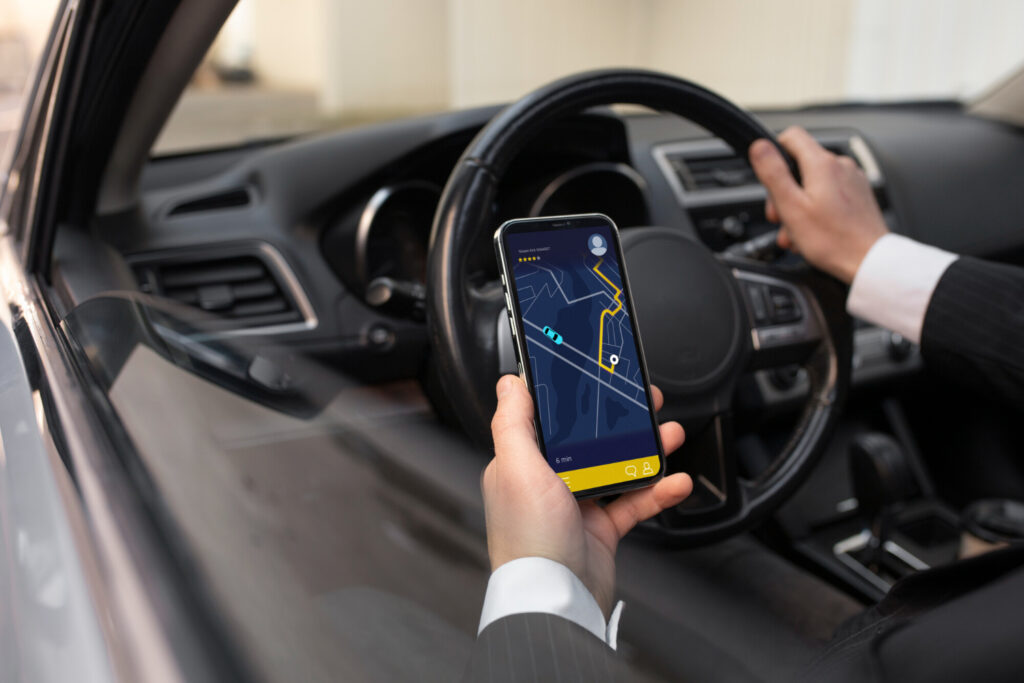
Psychologically, seeing is reassuring. Taxi apps let users watch the car approach on a map. This visual movement matters more than it seems. Instead of waiting blindly, people observe progress in real time. The brain interprets motion as confirmation that things are working as expected.
This simple design choice transforms waiting from anxiety into anticipation. Even a short delay feels acceptable when it is visible and explained. Over time, this repeated reassurance conditions users to trust the platform without conscious thought.
Control Creates Comfort
Trust increases when people feel in control. Taxi apps give users control in subtle but powerful ways. Users choose pickup points, destinations, and payment methods. They can cancel, rebook, or report issues without confrontation.
This sense of control reduces the feeling of vulnerability that often comes with travel. Instead of being passive passengers, users feel like active participants in the journey. Psychologically, this shift turns dependence into cooperation, which strengthens trust.
Consistency Builds Emotional Safety
Human brains rely heavily on patterns. When experiences are consistent, people relax. Taxi apps are designed to feel familiar every time. The booking flow rarely changes. Icons stay in the same place. Actions lead to expected results.

This consistency creates emotional safety. Users do not need to think hard or relearn anything. Familiarity reduces mental effort, and low effort experiences are often trusted more than complex ones. Over time, the app becomes a routine part of life, trusted simply because it feels known.
Social Proof Shapes Belief
People often trust what others trust. Ratings, reviews, and ride counts play a major role in shaping perception. Seeing that thousands of others have used a service successfully signals safety and reliability.
Driver ratings are especially powerful. They create accountability and reassure passengers that behavior matters. Psychologically, this turns strangers into evaluated individuals, reducing fear. When users feel that poor behavior has consequences, trust increases.
Transparency Reduces Suspicion
Suspicion thrives in darkness. Taxi apps counter this by making the entire journey transparent. Routes are visible. Prices are shown upfront. Receipts arrive instantly. Nothing feels hidden.
This openness aligns with how trust works in human relationships. People trust those who share information freely. When apps behave the same way, users respond with confidence. Transparency turns technology into something that feels honest and dependable.
Safety Signals Calm the Mind
Safety features do more than protect users physically; they influence emotional security. Emergency buttons, trip-sharing options, and verified driver profiles signal preparedness. Even when never used, these features reassure users that help is available.
Psychologically, the presence of safety tools lowers perceived risk. The brain focuses less on “what could go wrong” and more on “this is handled.” This quiet reassurance plays a major role in building long-term trust.
Trust Through Small Wins
Trust is rarely built in one moment. It grows through small, positive experiences repeated over time. A ride arrives on time. A driver follows the route. Payment goes through smoothly. Each success strengthens belief.
Taxi apps benefit from frequent use. Daily commuters experience dozens of small wins every week. These experiences accumulate, forming a strong trust foundation that becomes hard to break unless something goes seriously wrong.
Emotional Distance Reduces Conflict
Human conflict often arises from direct confrontation. Taxi apps reduce this by acting as a buffer. Issues are handled through the app rather than face-to-face arguments. Complaints, refunds, and feedback happen digitally.
This emotional distance lowers stress. Users feel safer expressing concerns. Drivers feel protected from personal disputes. When interactions feel fair and structured, trust in the system grows.
The Role of Design in Trust Formation
Design influences emotion more than people realize. Clean layouts, readable text, and smooth animations create a sense of professionalism. Poor design, on the other hand, triggers doubt.
In the middle of developing these experiences, many platforms partner with an experienced iphone app development company to ensure performance, visual clarity, and responsiveness. When an app feels polished and reliable, users subconsciously associate those qualities with trustworthiness.
Habit Turns Trust into Instinct
Once trust is established, habit takes over. Users stop questioning whether the app will work. They open it automatically when they need a ride. At this stage, trust becomes instinctive rather than deliberate.
Habitual trust is powerful because it resists change. Even when alternatives appear, people stick with what feels safe and familiar. This explains why established taxi apps retain users even in competitive markets.
Trust Is Strengthened by Fairness
Fair treatment reinforces trust. Transparent pricing, clear cancellation policies, and quick issue resolution signal fairness. When users feel respected, loyalty increases.
The brain remembers unfair experiences more strongly than fair ones. Taxi apps that minimize negative surprises protect trust by design. Clear rules reduce emotional reactions and support long-term confidence.
Why Trust Matters More Than Speed
Speed attracts users, but trust keeps them. A fast app that feels unsafe or unpredictable will not survive. Taxi apps that prioritize emotional comfort alongside efficiency perform better over time.
Trust allows users to relax. Relaxed users return. This psychological truth explains why trust-focused platforms dominate even when competitors offer similar features.
Cultural Familiarity and Local Adaptation
Trust is influenced by culture. Taxi apps that adapt to local norms, languages, and payment habits feel more relatable. Familiarity reduces psychological distance between the user and the platform.
When an app feels like it belongs in a city, people trust it more. Localization is not just a technical task; it is a psychological bridge between technology and everyday life.
Trust Extends Beyond the Ride
Trust does not end when the ride ends. Receipts, ride history, and support responses all shape post-journey perception. A smooth ending reinforces the memory of a positive experience.
Psychologically, endings matter. People judge experiences largely by how they conclude. Taxi apps that close journeys cleanly strengthen trust for future use.
Final Thoughts: Trust Is Designed, Not Assumed
People do not trust taxi apps because they are apps. They trust them because every interaction reduces fear, increases control, and reinforces predictability. Trust is built quietly through psychology, not loudly through promises.
In the long run, platforms that understand this human side of technology outperform those focused only on features. Working with the right mobile app Development Company ensures that trust is designed into every layer of the experience, from the first tap to the final drop-off.
Ultimately, the success of taxi apps lies not in moving people faster, but in making them feel safe, understood, and confident every time they ride.
Frequently Asked Questions
1. Why do people trust taxi apps so easily?
Ans: People trust taxi apps because they reduce uncertainty. Clear prices, live tracking, and visible progress help users feel calm and informed during every step of the journey.
2. How does real-time tracking affect user confidence?
Ans: Seeing a vehicle move on a map reassures users that the ride is on its way. This visual feedback reduces anxiety and builds confidence while waiting.
3. What role does control play in building trust?
Ans: Taxi apps give users control over bookings, routes, payments, and cancellations. Feeling in control lowers stress and increases trust in the service.
4. Why are ratings and reviews important?
Ans: Ratings and reviews act as social proof. When users see that others had good experiences, they feel safer trusting the same service.
5. Do safety features really influence trust?
Ans: Yes. Even if users never use safety tools, knowing they exist makes people feel protected. This emotional reassurance strongly supports trust.