Healthy teeth and strong jawbones play a major role in maintaining good oral health. When a tooth is lost or severely damaged, the jawbone in that area can slowly weaken. This can make it difficult to place dental implants or maintain the natural structure of the mouth. In such situations, a bone graft dental procedure helps rebuild the bone and restore strength to the jaw.
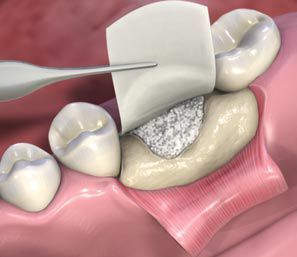
Many people are not familiar with the purpose of bone graft dental treatment. However, it is an important procedure that helps support dental implants, protect surrounding teeth, and improve long-term oral health. Dentists may also combine this treatment with other procedures like root canal treatment when a damaged tooth needs to be saved before further bone damage occurs.
In this blog, we will explain what bone graft dental treatment is, why it is needed, how the process works, and how it helps patients with dental problems such as missing teeth, infection, or tooth fracture.
What Is Bone Graft Dental Treatment
A bone graft dental procedure is a treatment used to rebuild or strengthen the jawbone. The dentist places special bone material in an area where the bone has become thin or weak. Over time, the body accepts the graft and new bone begins to grow around it.
This new bone structure provides support for future dental treatments such as dental implants or other restorative procedures.
The jawbone is important because it holds teeth firmly in place. When a tooth is missing for a long time, the bone in that area may shrink. A bone graft dental procedure helps restore that lost bone and prepares the mouth for further treatment.
Why Bone Loss Happens in the Jaw
Bone loss in the jaw can occur for many reasons. Some dental problems slowly weaken the bone structure, making it difficult to maintain healthy teeth.
Missing Teeth
When a tooth is removed or lost, the bone in that area no longer receives pressure from chewing. Over time, the bone begins to shrink.
Gum Disease
Severe gum infection can damage the tissues and bone that support the teeth.
Tooth Infection
Untreated infection inside a tooth may spread to surrounding bone.
Tooth Fracture
A serious tooth fracture can expose the inner part of the tooth and allow bacteria to enter the bone area.
Injury to the Jaw
Accidents or trauma may damage the jawbone and require restoration.
When these problems occur, a dentist may recommend a bone graft dental procedure to rebuild the weakened bone.
Signs That a Bone Graft Dental Procedure May Be Needed
Not every dental problem requires bone grafting. However, certain symptoms may indicate that the jawbone has weakened.
Missing Teeth for a Long Time
If teeth have been missing for several years, bone shrinkage may occur.
Difficulty Placing Dental Implants
Dental implants require a strong bone base. If the bone is too thin, grafting may be needed.
Jawbone Weakness Seen on X-Ray
Dental imaging can show areas where bone support is not strong enough.
Severe Tooth Fracture
A deep tooth fracture that affects the root area may damage surrounding bone.
Gum Disease Damage
Advanced gum disease can slowly destroy bone that supports teeth.
A dentist carefully studies these conditions before recommending a bone graft dental treatment.
Types of Bone Graft Dental Procedures
Different types of bone graft dental procedures are used depending on the condition of the patient’s jawbone.
Minor Bone Grafting
A small bone graft is used when only a small amount of bone support is needed. This procedure is simple and healing is usually faster.
Major Bone Grafting
If a large section of the jawbone has weakened, a larger graft may be needed. This type of bone graft dental treatment helps rebuild a stronger bone structure.
Socket Preservation
After a tooth is removed, bone material may be placed in the empty socket to protect the bone from shrinking.
Sinus Bone Graft
In the upper jaw near the sinus area, bone may become too thin for dental implants. A sinus graft adds bone in that region.
Each bone graft dental procedure is planned carefully to ensure proper healing and support for future treatments.
Step-by-Step Process of Bone Graft Dental Treatment
Understanding the procedure can help patients feel more comfortable about the treatment.
Initial Dental Examination
The dentist examines the mouth, teeth, and jawbone using X-rays or scans. This helps determine the condition of the bone.
Treatment Planning
If bone loss is present, the dentist creates a plan for the bone graft dental procedure.
Bone Graft Placement
The bone graft material is placed in the weakened area of the jawbone. This material may come from natural bone sources or safe synthetic materials.
Healing Period
After the graft is placed, the body begins forming new bone around the graft. This healing period may take several months.
Preparation for Further Treatment
Once the bone becomes strong enough, dental implants or other procedures may be performed.
Relationship Between Bone Graft Dental and Root Canal Treatment
In some cases, dentists try to save a damaged tooth instead of removing it. One common method used to protect a tooth is root canal treatment.
A root canal treatment is performed when the inner tissue of the tooth becomes infected or inflamed. During the procedure:
-
The infected tissue inside the tooth is removed
-
The tooth is cleaned and sealed
-
A crown is placed to protect the tooth
Saving a tooth with root canal treatment can prevent bone loss because the natural tooth root remains in the jaw.
However, if infection spreads to the surrounding bone or if a severe tooth fracture occurs, a bone graft dental procedure may be required to repair the damaged bone area.
Benefits of Bone Graft Dental Treatment
A bone graft dental procedure provides many advantages for patients with bone loss.
Strengthens the Jawbone
The graft helps rebuild bone structure and improves support for teeth.
Supports Dental Implants
Dental implants need strong bone support. Bone grafting prepares the jaw for successful implant placement.
Maintains Facial Structure
Jawbone loss can change facial shape over time. Bone grafting helps maintain the natural structure of the face.
Protects Surrounding Teeth
When bone is restored, nearby teeth receive better support and stability.
Improves Long-Term Oral Health
Stronger bone structure allows future dental treatments to function properly.
Tips for Protecting Jawbone and Teeth
After a bone graft dental procedure or any dental treatment, maintaining good oral habits is important.
Brush Teeth Twice Daily
Regular brushing removes plaque and harmful bacteria.
Floss Between Teeth
Flossing helps clean areas that brushing cannot reach.
Attend Regular Dental Checkups
Routine dental visits allow dentists to detect problems early.
Avoid Hard Food on Healing Areas
During healing after a bone graft dental procedure, soft food is recommended.
Protect Teeth From Injury
Wearing mouthguards during sports helps prevent tooth fracture and jaw injury.
Good daily habits help maintain strong teeth and jawbone health.
Conclusion
Dental problems such as missing teeth, infection, or severe tooth fracture can affect both oral health and daily comfort. When the jawbone becomes weak or thin, a bone graft dental procedure helps rebuild the bone and restore strength to the mouth.
This treatment creates a solid foundation for dental implants and other restorative procedures. At the same time, procedures like root canal treatment help protect natural teeth and prevent further damage to surrounding bone.
By seeking professional dental care at the right time and following healthy oral habits, patients can maintain stronger teeth, better jaw support, and improved long-term oral health.
For more insightful articles related to this topic, feel free to visit blogpulseguru