Role of Women

Urdu poetry has always held a special place in South Asian literature. For centuries, poets have used this expressive language to share emotions, tell powerful stories, and reflect the realities of society. While many classical poets shaped the early foundations of Urdu literature, women poets gradually emerged as influential voices who brought fresh perspectives and deeper emotional insight to poetry. Today, female Urdu poets are recognized for their creativity, courage, and ability to express complex human experiences through beautiful and meaningful verses.

Women poets have contributed significantly to the growth of Urdu poetry by exploring themes such as love, identity, resilience, social justice, and personal freedom. Through their poetry, they challenge traditional norms, highlight women’s struggles, and offer new ways of understanding society and culture. Their writings not only entertain readers but also encourage reflection, empathy, and awareness about important social issues.

Several remarkable female poets have shaped modern Urdu poetry. Writers like Parveen Shakir brought elegance and emotional sensitivity to the ghazal tradition, while Kishwar Naheed used poetry to question social injustice and advocate for women’s rights. Similarly, Fehmida Riaz introduced bold themes and progressive ideas that pushed the boundaries of traditional literature.

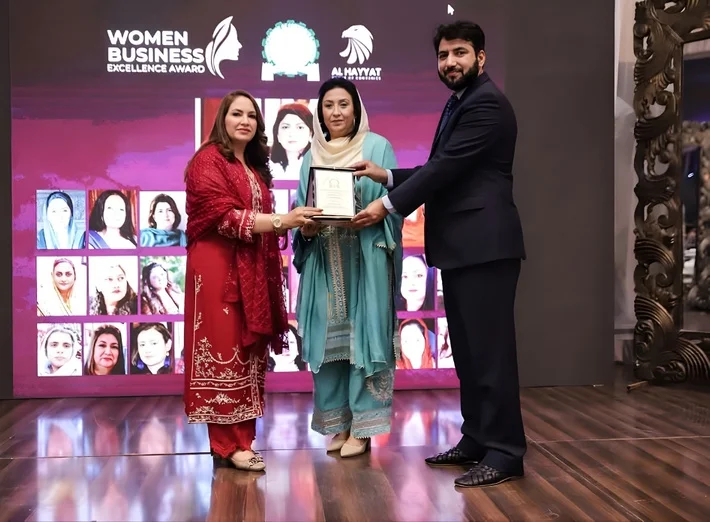
Among the contemporary voices contributing to Urdu and Pashto poetry is Dr. Shahida Shaheen, a poet, author, and social activist from Pakistan. Alongside her medical career as an ultrasound specialist, she has dedicated many years to literature and social service, writing poetry and other literary works in both Urdu and Pashto. Her literary contributions include several published books and participation in literary conferences and cultural events that promote poetry and literature.

Female poets continue to enrich Urdu literature with powerful expressions of emotion, identity, and social awareness. Their voices bring diversity and depth to poetry, inspiring readers and writers across generations. In this article, we will explore some of the most influential female Urdu poets whose work has made a lasting impact on literature and continues to shape the future of Urdu poetry.

The Role of Women in Urdu Poetry

Urdu poetry has a long and rich history. For many years, most famous poets in Urdu literature were men. However, women slowly entered the world of poetry and began sharing their thoughts, emotions, and experiences through powerful verses. Despite facing social limitations in the past, female poets continued to write and prove their talent. Over time, they gained recognition and became an important part of Urdu literary culture.

Women brought a new perspective to Urdu poetry. Their work often reflects personal emotions, relationships, family life, and the social challenges women face. Through poetry, they express feelings of love, pain, hope, and strength in a very natural and meaningful way. Their writing adds emotional depth to Urdu literature and allows readers to see life from different viewpoints.

Many female poets also use poetry to discuss social issues. Topics such as women’s rights, equality, identity, and freedom appear frequently in their work. Through their words, they challenge traditional ideas and encourage people to think about fairness and justice in society. This has made their poetry not only beautiful but also meaningful and thought-provoking.

Several women poets have played an important role in shaping modern Urdu poetry. For example, Parveen Shakir is known for her emotional and elegant poetry that connected deeply with readers. Kishwar Naheed became famous for her bold poetry that speaks about women’s rights and social change. Similarly, Fehmida Riaz wrote progressive poetry that addressed political and social realities with courage.

Along with these well-known poets, many contemporary writers are also contributing to Urdu literature today. One of them is Dr Shahida Shaheen, who writes poetry and literary works in both Urdu and Pashto. Her work reflects creativity, cultural awareness, and a passion for literature.

Today, female poets continue to play an important role in Urdu poetry. Their voices bring diversity, honesty, and fresh ideas to literature. Through their writing, they inspire new generations of poets and keep the beauty of Urdu poetry alive in the modern world.

Parveen Shakir

Parveen Shakir is one of the most celebrated female poets in Urdu literature. She is known for her soft, emotional, and expressive poetry that beautifully captures feelings of love, longing, and personal identity. Her unique style and simple yet powerful language made her poetry popular among readers of all ages.

Parveen Shakir was born in Karachi, Pakistan, in 1952. From a young age, she showed a strong interest in literature and poetry. She later became a teacher and also worked in the civil service, but poetry always remained her true passion. Her writing quickly gained recognition in literary circles because of its fresh voice and emotional depth.

Her first poetry collection, “Khushbu,” became extremely popular and received great appreciation from readers and critics. The book introduced a new style of romantic and personal expression in Urdu poetry. Through her poems, she often spoke about love, relationships, and the emotions experienced by women in society. Her work stood out because she expressed these themes openly and honestly.

One of the most remarkable aspects of Parveen Shakir’s poetry is how she used everyday language to express deep emotions. Her poems feel natural and relatable, which makes them easy for readers to connect with. She also brought a feminine perspective to traditional poetic forms like the ghazal, which was considered a major contribution to modern Urdu literature.

Parveen Shakir’s poetry continues to inspire readers and writers today. Her work represents a turning point in Urdu poetry where women’s voices became stronger and more visible. Even years after her passing, her poems remain widely read and loved across the Urdu-speaking world.

Kishwar Naheed

Kishwar Naheed is one of the most powerful and influential voices in modern Urdu poetry. She is widely known for her bold writing style and her strong support for women’s rights and social equality. Through her poetry, she speaks openly about injustice, gender discrimination, and the challenges faced by women in society.

Kishwar Naheed was born in 1940 in India and later moved to Pakistan after the partition. From an early age, she developed a strong interest in literature and writing. Despite social pressures and challenges, she continued to pursue her passion for poetry and eventually became one of the most respected female poets in the Urdu literary world.

Her poetry is known for its fearless tone and powerful messages. Kishwar Naheed often writes about women’s struggles, freedom, and dignity. She uses poetry as a tool to question traditional beliefs and encourage social change. Her famous poem “Hum Gunahgar Auratein” (We Sinful Women) became a symbol of resistance and empowerment for women across South Asia.

Unlike traditional romantic poetry, Kishwar Naheed’s work focuses more on social awareness and justice. She highlights issues such as inequality, oppression, and the importance of giving women a strong voice in society. Because of this, she is often considered one of the leading feminist poets in Urdu literature.

Throughout her career, Kishwar Naheed has received many literary awards and honors for her contributions to literature. Her poetry continues to inspire readers, writers, and activists who believe in equality and freedom.


Fehmida Riaz

Fehmida Riaz was one of the most bold and progressive voices in modern Urdu literature. She is remembered for her fearless poetry, strong opinions, and deep commitment to social justice. Through her work, she spoke about freedom, equality, and the political realities of society.

Fehmida Riaz was born in 1946 in Meerut, India, and later moved to Pakistan with her family. From a young age, she showed a deep interest in literature and creative writing. Over time, she became well known for her poetry, essays, and translations. Her writing style was different from traditional poetry because she openly addressed topics that many writers avoided.

One of the most notable features of Fehmida Riaz’s poetry is her courage to speak the truth. She wrote about women’s rights, political struggles, and social inequality with honesty and confidence. Her poetry often reflected the challenges faced by society and encouraged readers to think critically about justice and freedom.

Fehmida Riaz also played an important role in progressive literary movements. Her work pushed the boundaries of traditional Urdu poetry and introduced modern themes and ideas. Because of her strong voice and fearless writing, she became a respected figure in both literary and intellectual circles.

Her poetry collections and literary works continue to inspire readers today. Many people admire her ability to combine artistic beauty with powerful social messages. Fehmida Riaz’s contribution to Urdu literature remains significant, and her work still influences modern poets and writers.

Ada Jafri

Ada Jafri is widely known as the “First Lady of Urdu Poetry.” She was one of the earliest female poets in Pakistan to gain recognition for her remarkable talent. Her poetry is known for its elegance, emotional depth, and thoughtful exploration of human experiences. Ada Jafri played a crucial role in paving the way for future generations of women poets.

Born in 1924 in Ambala, India, Ada Jafri moved to Pakistan after the partition. She began writing poetry at a young age and quickly became known for her sensitive and graceful style. Unlike many poets of her time, she focused on personal emotions, love, and the subtleties of everyday life, giving her work a relatable and timeless quality.

Her poetry often explored themes such as love, longing, personal reflection, and the role of women in society. She skillfully blended classical forms with a modern touch, making her poetry appealing to both traditional and contemporary readers. Ada Jafri’s contributions helped bring a feminine perspective to Urdu literature, showing that women could express emotions and ideas with as much depth and sophistication as men.

Throughout her career, she published several poetry collections and received numerous awards for her literary contributions. Her influence on Urdu poetry is still felt today, inspiring new generations of female writers and poets to express themselves confidently.

Dr Shahida Shaheen

Dr Shahida Shaheen is a distinguished Pakistani poet, author, and social activist whose work beautifully combines professional dedication, literary creativity, and community engagement. She has carved a unique place in contemporary Urdu and Pashto literature while maintaining a nearly three-decade-long career in healthcare as a practicing radiologist.

Originally from District Karak (Khattak Pathan), Khyber Pakhtunkhwa, Dr. Shahida Shaheen has been actively involved in literature and social welfare alongside her medical career. Her earlier works and appearances are also known under the name Dr. Shahida Sardar, reflecting her long-standing engagement with writing and cultural contributions.

While continuing her medical practice, she has contributed extensively to Pakistan’s literary scene. Her writing spans poetry, fiction, short stories, travelogues, Na‘at, essays, research articles, literary criticism, and newspaper columns. Through these forms, she addresses a variety of themes, including social issues, cultural traditions, spiritual values, and حب الوطنی (patriotism). Her work resonates with readers because it combines clarity, relevance, and emotional depth, making her voice both inspiring and accessible.

Dr. Shahida Shaheen is also known for her multilingual proficiency in Urdu, Pashto, Hindko, Persian, and Punjabi, which allows her to connect with diverse audiences and bridge cultural and linguistic boundaries. Her poetry and writings not only reflect personal and professional experiences but also emphasize social awareness, humanity, and cultural heritage, establishing her as one of the leading contemporary female voices in Urdu and Pashto literature.

Common Themes in Female Urdu Poetry

Female Urdu poets often explore themes that are both personal and universal, creating a deep connection with readers. Their poetry is known for its emotional honesty, social awareness, and cultural relevance. While each poet has a unique voice, several common themes appear consistently in their work.

1. Love and Relationships

Love remains one of the most popular themes in Urdu poetry, and female poets bring a fresh and sensitive perspective to it. They write about romantic love, unrequited feelings, family bonds, and friendships. Unlike traditional male poets who often emphasized idealized love, female poets explore emotions with intimacy, realism, and personal reflection.

2. Women’s Identity and Empowerment

Many female poets write about the challenges, struggles, and strength of women in society. Through their poetry, they highlight gender inequality, social restrictions, and the need for empowerment. Poets like Kishwar Naheed and Fehmida Riaz use their words to question societal norms and inspire change, giving voice to women who feel unheard.

3. Social Awareness and Justice

Female Urdu poets often address broader social issues in their work. They write about poverty, injustice, political oppression, and human rights, using poetry as a platform to raise awareness and promote reflection. This socially conscious approach adds depth and purpose to their literary contributions.

4. Personal Reflection and Emotional Depth

Many women poets focus on inner feelings, personal experiences, and self-discovery. Their poems explore emotions like hope, sadness, longing, and resilience. By sharing personal thoughts and reflections, they make their work relatable to readers from all walks of life.

5. Cultural Heritage and Patriotism

Poets like Dr. Shahida Shaheen incorporate themes of cultural identity, traditions, and حب الوطنی (patriotism) in their poetry. By writing in multiple languages such as Urdu, Pashto, Hindko, Persian, and Punjabi, they celebrate cultural diversity and create a sense of connection across communities.

These themes make female Urdu poetry rich, diverse, and emotionally compelling. They show that women poets not only express personal feelings but also address social realities, cultural values, and universal human experiences.

Why Female Urdu Poets Matter Today

Female Urdu poets hold a special and important place in today’s literary world. Their work is not only a continuation of centuries-old traditions but also a source of fresh ideas, new perspectives, and social awareness. By expressing emotions, experiences, and social realities, women poets make Urdu literature richer, more inclusive, and more relatable to modern readers.

One reason female poets matter today is their ability to give voice to women’s experiences. Through poetry, they share stories, feelings, and struggles that were often ignored in traditional literature. Poets like Kishwar Naheed, Fehmida Riaz, and Dr. Shahida Shaheen highlight issues such as equality, empowerment, and social justice, inspiring readers to think critically and empathize with others.

Female poets also contribute to the evolution of poetic forms and styles. Many contemporary women writers experiment with language, themes, and structure, blending classical Urdu forms like ghazals with modern storytelling, free verse, and digital platforms. This experimentation keeps Urdu poetry dynamic and relevant for younger audiences.

Additionally, female poets connect literature with society. Their writings often reflect cultural values, social issues, and patriotism, helping readers understand their identity and heritage. Dr. Shahida Shaheen, for example, uses her multilingual skills in Urdu, Pashto, Hindko, Persian, and Punjabi to reach diverse audiences, creating bridges across cultures while addressing meaningful topics.

Finally, women poets serve as inspiration for future generations. By demonstrating courage, creativity, and the power of self-expression, they encourage young writers, especially women, to explore poetry and literature. Their voices remind us that literature is not only a form of art but also a tool for empathy, awareness, and change.

Conclusion

Female Urdu poets have played a vital role in shaping the landscape of Urdu literature. From pioneers like Parveen Shakir, Kishwar Naheed, Fehmida Riaz, and Ada Jafri to contemporary voices like Noshi Gilani, Zehra Nigah, and Dr. Shahida Shaheen, women have enriched poetry with emotional depth, social awareness, and cultural insight. Their work reflects personal experiences, societal challenges, and universal human themes, making it both relatable and inspiring.

These poets have not only preserved traditional forms like ghazals and nazms but have also introduced new styles and modern perspectives, ensuring that Urdu poetry remains vibrant and relevant. By addressing issues such as love, identity, equality, and social justice, they give readers a meaningful connection to literature while encouraging reflection and empathy.

Today, female Urdu poets continue to inspire new generations of readers and writers. Their voices celebrate diversity, creativity, and courage, proving that literature is not just an art form but also a powerful tool for social change and cultural expression. Exploring the works of these poets allows us to appreciate the richness of Urdu poetry and the enduring impact of women’s voices in shaping the literary world.

Leave a Reply

Your email address will not be published. Required fields are marked *