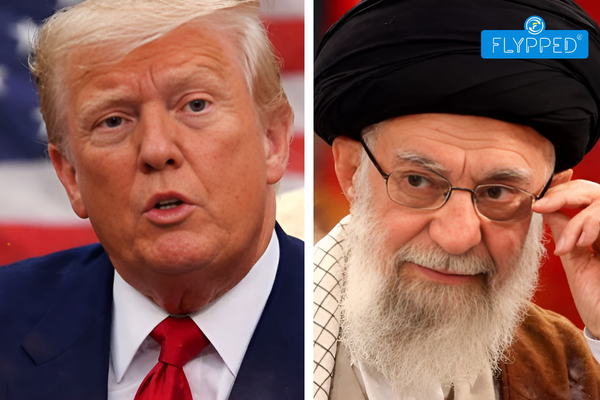
Amid growing instability in the Middle East, former U.S. President Donald Trump has backed a new diplomatic initiative aimed at reducing regional tensions. The proposal, now widely referred to as the Trump 15-point Iran plan, seeks to slow military escalation and open negotiations between Washington and Tehran.
The move comes as conflict risks continue to rise across the region, pushing global leaders to search for a political solution instead of prolonged confrontation.
What the Plan Proposes
According to diplomatic sources, the Trump 15 point plan list focuses on limiting Iran’s nuclear and missile capabilities while addressing security concerns raised by Western allies. The proposal reportedly calls for strict nuclear restrictions, ending support for proxy armed groups, reopening the Strait of Hormuz for secure trade routes, and dismantling certain military infrastructure.
A central part of the 15 point peace plan is a proposed one-month pause in hostilities, allowing negotiators time to restart dialogue without immediate military pressure.
US Offer and Ceasefire Efforts
A major element of the initiative involves a proposed US Iran ceasefire, supported by incentives from Washington. In exchange for compliance, the United States is offering partial sanctions relief and permission for a civilian nuclear program under United Nations supervision, with nuclear fuel production located outside Iran.
The proposal also includes potential economic cooperation intended to stabilise Iran’s economy and encourage long-term diplomatic engagement rather than confrontation.
Regional Reactions and Israel’s Response
Developments surrounding the Israel Iran war have complicated diplomatic efforts. Reports suggest Israeli officials were surprised by renewed ceasefire discussions, particularly as military operations have continued for weeks.
At the same time, the United States has strengthened its military presence in the region, deploying additional troops while keeping diplomatic channels open. Sources indicate that the proposal may have been communicated through Pakistani intermediaries, with Pakistan offering to host future negotiations.
Pakistan’s Prime Minister Shehbaz Sharif has publicly expressed willingness to facilitate dialogue aimed at ending the ongoing West Asia conflict. According to reports highlighted by Flypped, diplomatic efforts are now focused on balancing military preparedness with renewed negotiations to prevent further escalation.
Future of Talks Remains Unclear
Diplomats note that much of the Trump 15-point Iran plan builds upon earlier nuclear discussions held in 2025, which collapsed following strikes on Iranian nuclear facilities. While Trump has claimed recent discussions with Iran were productive, Iranian officials have denied direct negotiations beyond limited indirect contact.
Experts warn that deep mistrust, shifting political demands, and uncertainty within Iran’s leadership could make agreement difficult. Still, supporters believe the Trump 15-point Iran plan represents an attempt to balance military pressure with diplomacy, a strategy that could determine whether the region moves toward de-escalation or deeper conflict.