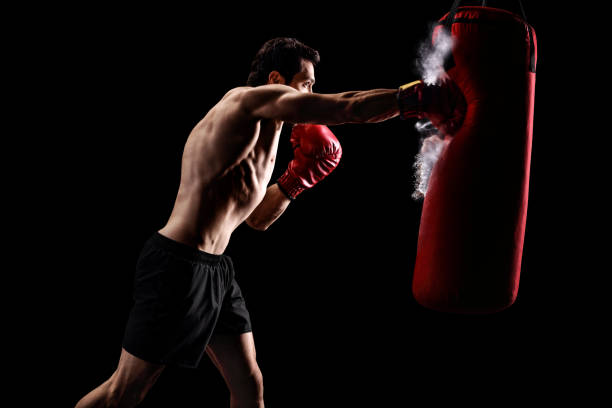
Walk into any old-school gym and the first thing you’ll hear isn’t music. It’s leather cracking. Bags swinging. Breath getting ripped out of lungs. Punching bags aren’t decoration. They’re tools. Honest ones.
Every boxer, beginner or pro, learns this fast. You don’t get good by shadowboxing forever. You need resistance. Feedback. Something that hits back in its own way. That’s why understanding the types of punching bags actually matters more than people think.
And yeah, this ties directly into the bigger question people love to ask — is boxing a martial art or just punching with gloves? We’ll get there. Stay with me.
The Heavy Bag – The Backbone Of Boxing Gyms
If boxing gyms had a heart, it’d be the heavy bag. Long. Mean. Unforgiving. This thing doesn’t care about your feelings or excuses.
The heavy bag is usually 70 to 150 pounds, sometimes more. It builds power, endurance, rhythm, and mental grit. You learn distance the hard way. You find out real quick if your stance sucks.
Among all types of punching bags, this is the one that turns boys into fighters. Not overnight. Over years. You hit it wrong, it swings back and lets you know.
The Double-End Bag – Timing’s Brutal Teacher
The double-end bag looks harmless until it humiliates you. Small. Fast. Tied to the ceiling and floor. It snaps back like it’s alive.
This bag teaches timing, accuracy, and patience. Miss by an inch and it comes flying back at your face. No mercy. It forces you to stay relaxed under pressure, which is something most beginners hate.
A lot of people skip this bag. Bad idea. If you want sharp hands, this is one of the most important types of punching bags you’ll ever touch.
Speed Bag – Rhythm Over Ego
Speed bags get misunderstood. People think they’re for show. TikTok tricks. Wrong.
Used right, the speed bag builds shoulder endurance, coordination, and rhythm. It teaches you to breathe while working. That matters more than you’d think when your arms feel like concrete.
No, it won’t make you punch harder. But it’ll help you punch longer. Cleaner. Smoother. And in boxing, smooth usually beats strong.
Uppercut Bag – Fixing What Heavy Bags Miss
Most heavy bags hang straight down. That’s fine. But real punches don’t always travel straight. Uppercuts, body shots, tight hooks — they need space.
That’s where the uppercut bag comes in. Angled. Bulb-shaped. Awkward at first. Then addictive.
This bag forces proper mechanics. You can’t cheat your way through it. Bad form feels awful instantly. That’s why serious boxers keep one around.
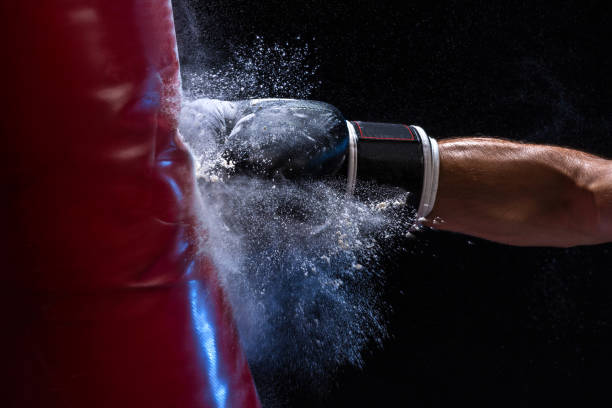
Among modern types of punching bags, this one separates casual trainees from people who care about craft.
Maize Bag – Old-School, Still Deadly
The maize bag is short and fat, hung high, and swings like it’s drunk. It’s been around forever, and for good reason.
This bag teaches head movement, slipping, rolling, and close-range control. You don’t just punch it. You move around it. You survive it.
Some gyms took these down. That’s a mistake. If you want defensive skills, real ones, the maize bag still delivers lessons nothing else does.
Freestanding Punching Bags – Useful, With Limits
Not everyone has ceiling mounts. Apartments exist. Garages too low. Enter freestanding bags.
They’re convenient. Portable. Quiet-ish. They work for fitness and basic striking. But they don’t swing naturally. They don’t punish bad balance the same way.
So yeah, they’re part of the types of punching bags conversation. Just don’t confuse convenience with tradition. They’re tools, not replacements.
Specialty Bags For Real Fighters
Then there are weird ones. Wall-mounted pads. Tear-drop bags. Long banana bags. Even water-filled monsters that feel disturbingly human.
These bags target specific needs. Clinch work. Body shots. Close-range combinations.
Real fighters rotate through different bags depending on the phase of training. There’s no “best” bag. There’s just the right one for today’s work.
So Is Boxing A Martial Art Or Just A Sport?
Let’s stop dancing around it. Yes. Boxing is a martial art.
It has structured techniques, lineage, philosophy, discipline, and combat application. It’s not flashy. No belts. No forms. Just violence refined into skill.
People confuse “martial art” with tradition and rituals. Boxing has those too. They just live in gyms, not temples. Gloves instead of gis.
So when someone asks is boxing a martial art, the honest answer is simple. If it teaches you how to fight with intent and control, it qualifies.
Boxing Technique Is Martial, Whether People Like It Or Not
Footwork. Distance. Timing. Defense. Conditioning. These aren’t random. They’re systems built over centuries.
Boxing’s techniques transfer into real-world self-defense more cleanly than many so-called traditional martial arts. That’s uncomfortable for some people to hear.
But reality doesn’t care. Boxing works. And it keeps evolving. That’s what real martial systems do.
Training Mentality – Where Boxing Becomes Deeper
This is where boxing separates itself. The bag doesn’t lie. Your lungs don’t lie.
You learn humility fast. You learn patience. You learn how to push when quitting feels logical. That mindset is martial at its core.

Punching bags aren’t just for arms. They train your head. That’s why fighters keep coming back, even when it hurts.
Choosing The Right Punching Bag For Your Goals
Don’t buy gear blindly. Ask what you want. Power? Conditioning? Defense? Timing?
Heavy bag for power and grit. Double-end for timing. Maize for defense. Speed bag for rhythm. Uppercut bag for inside work.
Understanding the types of punching bags lets you train smarter, not just harder. And smarter fighters last longer.
Boxing’s Place In Modern Martial Arts Culture
Boxing doesn’t scream for attention. It doesn’t need to. MMA fighters cross-train it. Self-defense instructors respect it. Old-school trainers protect it.
The answer to is boxing a martial art shows up every time someone lands a clean jab under pressure.
Simple doesn’t mean easy. Boxing proves that daily.
FAQs: Types Of Punching Bags And Boxing As A Martial Art
Is boxing a martial art or just a sport?
Boxing is both. It’s a sport with rules, but its techniques, discipline, and combat roots make it a true martial art.
What types of punching bags are best for beginners?
Heavy bags and freestanding bags are best early on. They build fundamentals without overwhelming complexity.
Do punching bags improve real fighting skills?
Yes, when used correctly. They build power, timing, endurance, and mental toughness — all essential in real combat.
Is boxing effective for self-defense?
Very. Footwork, striking accuracy, and distance control translate well to real-world situations.
How many types of punching bags should I train with?
Ideally more than one. Rotating bags improves overall skill and prevents training gaps.
Final Thoughts – Where It All Comes Together
Punching bags aren’t gym toys. They’re teachers. Each one speaks a different language, and if you listen, you get better.
Boxing isn’t outdated. It’s refined. It’s honest. And yes, it’s a martial art, whether people want to label it that way or not.