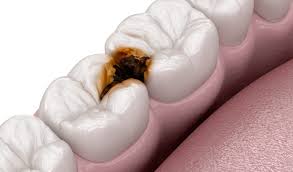
Seeing black spots or dark stains on teeth can be concerning for many people. The appearance of black stuff on teeth may affect the look of a smile and could also indicate an underlying dental issue. While some dark stains are harmless and related to external factors such as food or beverages, others may signal dental problems that require attention. Understanding the causes, treatment options, and prevention methods can help maintain healthy and clean teeth.
What Is the Black Stuff on Teeth?
Black stuff on teeth generally refers to dark stains, plaque buildup, or hardened deposits known as tartar. These dark spots can appear along the gum line, between teeth, or on the surface of the enamel. In some cases, the discoloration may be caused by bacteria, food particles, or poor oral hygiene.
Not all black stuff on teeth is the same. Some forms of black stuff on teeth are surface stains that can be removed with proper cleaning, while others may indicate tooth decay or more serious dental conditions. Identifying the cause of black stuff on teeth is important for choosing the right treatment.
Common Causes of Black Stuff on Teeth
Several factors can lead to the development of black stains or buildup on teeth. Some of the most common causes include poor oral hygiene, dietary habits, smoking, and certain dental conditions.
Tartar Buildup
One of the most common reasons for black stuff on teeth is tartar. Tartar forms when plaque—a sticky film of bacteria—hardens on the surface of the teeth. If plaque is not removed through regular brushing and flossing, it can turn into tartar.
Over time, tartar may darken due to staining from food, drinks, or bacteria. Tartar often appears near the gum line and usually requires professional cleaning by a dentist or dental hygienist.
Food and Beverage Stains
Certain foods and beverages can stain teeth over time. Coffee, tea, red wine, and dark-colored sauces are known to cause discoloration. These stains can accumulate gradually and may appear as dark or black marks on the teeth.
Although these stains may not be harmful, they can affect the appearance of the teeth and may require dental cleaning or whitening treatments.
Smoking and Tobacco Use
Smoking or using tobacco products is another common cause of black stains on teeth. Tobacco contains chemicals that can leave dark deposits on tooth enamel. Over time, these stains can become difficult to remove with regular brushing.
In addition to staining teeth, tobacco use can increase the risk of gum disease and other oral health problems.
Tooth Decay
In some cases, black spots on teeth may indicate tooth decay. When bacteria break down sugars in the mouth, they produce acids that damage tooth enamel. This process can lead to cavities and dark areas on the teeth.
If left untreated, tooth decay can progress and cause pain, infection, or damage to the tooth structure.
Chromogenic Bacteria
Some individuals may develop black stains due to chromogenic bacteria. These bacteria interact with iron in saliva, forming dark compounds that appear on the teeth. This type of staining often appears as thin black lines along the gum line and is sometimes seen in children as well as adults.
Treatment Options for Black Stuff on Teeth
The appropriate treatment depends on the underlying cause of the discoloration or buildup. A dental professional can evaluate the condition and recommend the most effective solution.
Professional Dental Cleaning
If the black stuff on teeth is caused by plaque or tartar buildup, a professional dental cleaning is often the best solution. During the cleaning process, a dentist or hygienist uses special tools to remove hardened deposits from the teeth and gums.
Regular dental cleanings help restore the natural appearance of teeth and prevent future buildup.
Teeth Whitening
For stains caused by food, drinks, or smoking, teeth whitening treatments may be recommended. Whitening procedures can remove surface stains and brighten the appearance of teeth.
These treatments may be performed at a dental clinic or with dentist-approved products used at home.
Dental Fillings
If the dark spots are caused by cavities or tooth decay, the dentist may remove the damaged area and restore the tooth using a dental filling. This treatment stops the decay and helps protect the tooth from further damage.
Improved Oral Hygiene
In many cases, improving daily oral care can help prevent and reduce staining. Brushing teeth at least twice a day, flossing daily, and using mouthwash can help keep teeth clean and reduce plaque buildup.
How to Prevent Black Stuff on Teeth
Preventing black stains and buildup on teeth involves maintaining good oral hygiene and making healthy lifestyle choices.
Brushing with fluoride toothpaste twice a day is essential for removing plaque and food particles. Flossing daily helps clean areas between teeth where a toothbrush may not reach.
Limiting foods and beverages that stain teeth can also help maintain a brighter smile. Rinsing the mouth with water after consuming coffee, tea, or other staining drinks may reduce discoloration.
Avoiding tobacco products is another important step in protecting both oral health and tooth appearance.
Regular dental checkups and professional cleanings are also important for preventing tartar buildup and detecting dental issues early.
When to See a Dentist
If you notice persistent black stains, spots, or discoloration on your teeth, it is important to consult a dentist. A dental professional can determine the cause and recommend appropriate treatment.
Early diagnosis can prevent minor issues from developing into more serious dental problems.
Conclusion
Black stuff on teeth can result from several factors, including tartar buildup, food stains, smoking, bacteria, or tooth decay. As highlighted by Dental Advice Today, while some causes are cosmetic, others may indicate underlying dental issues that require professional care.
Maintaining good oral hygiene, visiting the dentist regularly, and making healthy lifestyle choices can help prevent dark stains and protect overall dental health. With proper care and treatment, it is possible to restore a bright, healthy smile and keep teeth looking clean and strong.