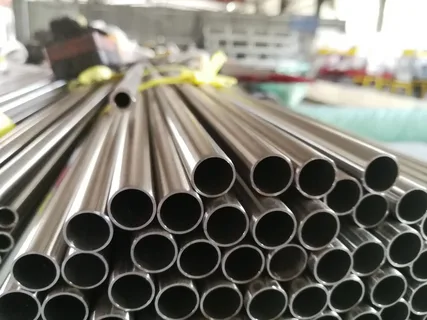
Stainless steel pipes play a critical role in modern infrastructure and industrial operations. From transporting fluids to supporting complex mechanical systems, these pipes are valued for their strength, corrosion resistance, and long service life. Unlike conventional steel pipes, stainless steel pipes perform reliably in harsh environments where moisture, chemicals, pressure, or temperature variations are common.
Because of these advantages, stainless steel pipes are widely used across multiple industries. Understanding their applications helps engineers, contractors, and buyers choose the right material for long-term performance and safety.
Why Stainless Steel Pipes Are Widely Used
The key reason stainless steel pipes are preferred lies in their chemical composition. The presence of chromium forms a protective oxide layer on the surface, which prevents rust and corrosion. This property alone makes stainless steel pipes suitable for environments where ordinary steel would fail quickly.
Other benefits include:
- High tensile strength
- Resistance to heat and pressure
- Smooth internal surfaces for efficient flow
- Low maintenance requirements
These features allow stainless steel pipes to be used in both demanding industrial systems and sensitive hygienic environments.
Industrial Uses of Stainless Steel Pipes
1. Chemical and Petrochemical Industry
Stainless steel pipes are extensively used to transport acids, gases, solvents, and chemicals. Their corrosion resistance ensures safe handling of aggressive substances without contamination or leakage. Grades like 304, 316, and duplex stainless steel are commonly used in reactors, heat exchangers, and pipelines.
2. Oil and Gas Industry
In oil and gas operations, pipes are exposed to high pressure, extreme temperatures, and corrosive fluids. Stainless steel pipes provide durability and reliability in offshore platforms, refineries, and processing units. Duplex and super duplex pipes are especially favored for their strength and resistance to stress corrosion cracking.
3. Power Generation
Thermal and nuclear power plants rely on stainless steel pipes for boilers, condensers, and steam lines. These pipes withstand high temperatures and pressure while maintaining structural integrity over long periods.
4. Water Supply and Plumbing
Stainless steel pipes are increasingly used in potable water systems due to their non-reactive nature. They do not affect water quality and are resistant to scaling and corrosion, making them suitable for long-term use in residential and commercial buildings.
5. Construction and Structural Applications
In construction, stainless steel pipes are used for handrails, structural supports, columns, and architectural frameworks. Their clean appearance and strength make them ideal for modern building designs.
6. Food and Beverage Industry
Hygiene is critical in food processing, and stainless steel pipes meet strict sanitary standards. Their smooth internal surface prevents bacterial growth and allows easy cleaning. These pipes are used in dairy plants, breweries, and beverage manufacturing units.
7. Pharmaceutical and Medical Industry
Pharmaceutical production requires contamination-free environments. Stainless steel pipes are used for transporting liquids, gases, and steam in cleanroom conditions, ensuring product purity and compliance with industry regulations.
8. Automotive Industry
Stainless steel pipes are used in exhaust systems, fuel lines, and structural components. Their heat resistance and durability improve vehicle performance and longevity.
9. Heavy Machinery and Equipment
In heavy equipment, stainless steel pipes serve as hydraulic lines, mechanical supports, and pressure conduits. Their strength and wear resistance make them suitable for continuous operation under load.
10. Marine and Offshore Use
Marine environments are highly corrosive due to saltwater exposure. Stainless steel pipes are widely used in shipbuilding, desalination plants, and offshore structures because they resist corrosion and require minimal maintenance.
Conclusion
The uses and applications of SS pipes span across industries that demand strength, cleanliness, and reliability. Whether in chemical plants, construction projects, food processing units, or offshore platforms, stainless steel pipes provide long-lasting performance with reduced maintenance costs. Choosing the right grade and type of stainless steel pipe ensures operational safety, efficiency, and durability in both industrial and commercial applications.