Utility Guide to NERC Compliance and Grid Reliability
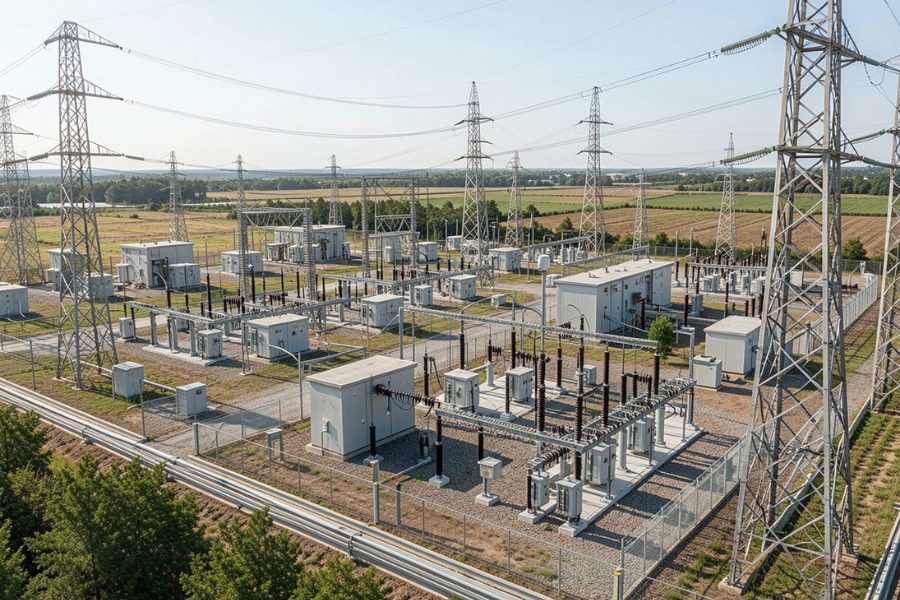
Maintaining a reliable and secure power system is no longer optional—it is a regulatory necessity. Utilities operating in today’s evolving energy landscape must comply with strict standards to protect the bulk electric system. This is where professional NERC compliance services play a critical role. From documentation and audits to system studies and cybersecurity measures, these services help utilities stay compliant while improving operational resilience.
In this guide, we’ll explore what NERC compliance means, why it matters, and how utilities can benefit from expert support.
Understanding NERC Compliance and Its Importance
The North American Electric Reliability Corporation (NERC) sets and enforces reliability standards for the bulk power system. These standards are designed to ensure that electricity is delivered safely, securely, and consistently across interconnected networks.
For utilities, compliance is not just about meeting regulatory requirements—it’s about minimizing risks. Non-compliance can lead to severe penalties, operational disruptions, and reputational damage. More importantly, failure to comply can compromise grid reliability, affecting millions of users.
As power systems become more complex with the integration of renewables and smart technologies, compliance requirements continue to evolve. Utilities must stay updated and proactive to meet these changing demands.
Key Components of NERC Compliance Services
Effective compliance requires a structured and comprehensive approach. Professional nerc compliance engineering services typically cover several critical areas.
One of the most important components is compliance program development. This includes creating policies, procedures, and frameworks tailored to a utility’s operations. A well-defined program ensures that all compliance activities are aligned with NERC standards.
Another essential aspect is documentation and evidence management. Utilities must maintain accurate records to demonstrate compliance during audits. This includes logs, reports, system data, and operational procedures.
Risk assessment is also a core element. Identifying potential compliance gaps allows utilities to address issues before they become violations. This proactive approach significantly reduces exposure to penalties.
Training and awareness programs ensure that staff understand their roles in maintaining compliance. Human error is one of the leading causes of violations, making education a key part of any compliance strategy.
The Role of NERC Compliance Consultants
Working with experienced nerc compliance consultants can make a significant difference in how utilities manage their compliance responsibilities. These professionals bring deep industry knowledge and hands-on experience with NERC standards.
Consultants help utilities interpret complex regulations and apply them effectively to real-world operations. They also assist in preparing for audits by conducting mock assessments and identifying areas that need improvement.
In addition, consultants provide ongoing support to ensure continuous compliance. Rather than reacting to issues, utilities can adopt a proactive approach with expert guidance.
For utilities with limited internal resources, consultants offer a cost-effective way to access specialized expertise without building a large in-house team.
Common Challenges Utilities Face
Despite best efforts, many utilities struggle with NERC compliance due to the complexity of requirements and constant updates to standards.
One major challenge is managing large volumes of data and documentation. Keeping records organized and audit-ready can be overwhelming without the right systems in place.
Another issue is adapting to evolving regulations. As the energy sector transitions toward renewable integration and digitalization, compliance requirements continue to change. Utilities must stay informed and agile to keep up.
Resource constraints can also hinder compliance efforts. Smaller utilities may lack the personnel or expertise needed to manage all aspects of compliance effectively.
Cybersecurity is an increasing concern as well. With growing threats to critical infrastructure, utilities must implement robust security measures to meet NERC CIP (Critical Infrastructure Protection) standards.
Benefits of Professional Compliance Services
Investing in professional compliance services offers several advantages beyond simply meeting regulatory requirements.
First, it enhances operational efficiency. Streamlined processes and clear procedures reduce confusion and improve overall performance. Utilities can focus on delivering reliable power rather than dealing with compliance issues.
Second, it reduces financial risk. Avoiding penalties and minimizing disruptions can result in significant cost savings over time.
Third, it strengthens system reliability. By identifying and addressing vulnerabilities, compliance services contribute to a more stable and secure power grid.
Finally, it builds confidence among stakeholders. Demonstrating a strong commitment to compliance reassures regulators, partners, and customers alike.
Best Practices for Achieving and Maintaining Compliance
Utilities that succeed in NERC compliance often follow a set of proven best practices.
A proactive approach is essential. Regular assessments and internal audits help identify gaps before they become violations. Waiting for external audits to uncover issues can be costly.
Automation plays a key role in modern compliance strategies. Using digital tools for data management, reporting, and monitoring can significantly improve accuracy and efficiency.
Collaboration across departments is also critical. Compliance is not just the responsibility of a single team—it requires coordination between engineering, operations, IT, and management.
Continuous training ensures that employees stay informed about regulatory changes and understand their responsibilities. A well-trained workforce is one of the strongest defenses against compliance failures.
Finally, partnering with experts ensures that utilities have access to the latest insights and best practices. This is particularly valuable in a rapidly evolving regulatory environment.
Future Trends in NERC Compliance
The future of NERC compliance is closely tied to advancements in technology and changes in the energy landscape.
As renewable energy sources continue to grow, utilities will face new compliance challenges related to grid stability and integration. Advanced modeling and system studies will become increasingly important.
Cybersecurity will remain a top priority. With more connected devices and digital systems, utilities must strengthen their defenses against potential threats.
Data analytics and automation are expected to play a larger role in compliance management. These technologies can help utilities detect issues in real time and respond more effectively.
Regulatory frameworks will also continue to evolve, requiring utilities to stay adaptable and forward-thinking.
Conclusion
NERC compliance is a critical aspect of modern utility operations. It ensures the reliability, security, and stability of the power grid while protecting utilities from regulatory risks.
By leveraging expert nerc compliance engineering services and working with experienced nerc compliance consultants, utilities can simplify complex requirements and build a strong compliance framework. The result is not only regulatory success but also improved performance and long-term resilience.
For utilities aiming to stay ahead in a competitive and rapidly changing industry, investing in comprehensive compliance services is not just a requirement—it’s a strategic advantage.