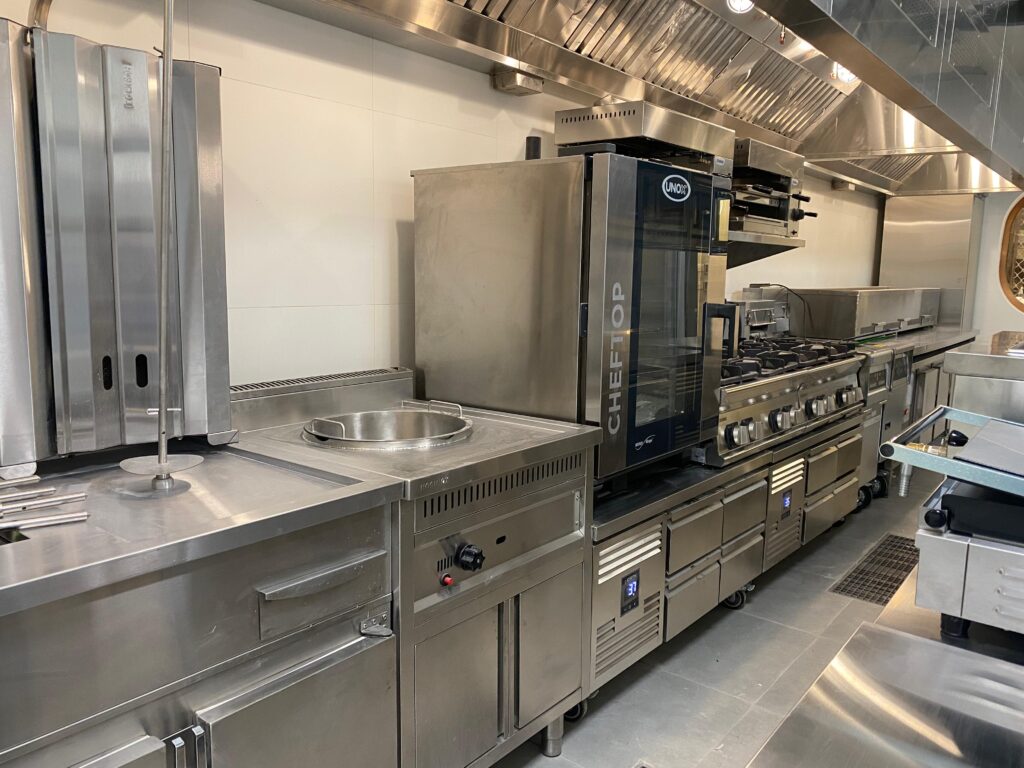
In today’s hospitality and food service industry, waste management is no longer just an operational requirement—it has become a critical factor in sustainability, cost control, and regulatory compliance. Commercial kitchens generate significant amounts of waste daily, including food waste, packaging materials, wastewater, and energy emissions. Without proper management, this waste can lead to increased operational costs, environmental impact, and hygiene concerns.
At Ace Future, we recognize that efficient waste management is essential for modern commercial kitchens. Our approach focuses on delivering sustainable, practical, and cost-effective solutions that help businesses reduce waste, improve efficiency, and meet environmental responsibilities.
Understanding Waste in Commercial Kitchens
Commercial kitchens produce various types of waste, each requiring specific handling and management strategies. Understanding these waste streams is the first step toward effective management.
The primary categories include:
- Food waste (organic waste from preparation and leftovers)
- Solid waste (packaging materials, plastics, cardboard)
- Liquid waste (oils, grease, wastewater)
- Energy waste (inefficient equipment and heat loss)
At Ace Future, we analyze these waste streams to develop tailored solutions that address each category effectively.
Challenges in Waste Management
Many hotels and restaurants struggle with waste management due to poor planning and lack of efficient systems. Common challenges include:
- High volume of food waste due to improper planning
- Inefficient disposal systems leading to hygiene issues
- Excessive energy and water consumption
- Non-compliance with environmental regulations
These challenges not only increase operational costs but also affect brand reputation. Our goal is to help clients overcome these issues through structured and sustainable solutions.
Importance of Sustainable Waste Management
Sustainable waste management goes beyond disposal—it focuses on reducing waste generation, reusing resources, and recycling materials wherever possible.
Key benefits include:
- Lower operational costs
- Improved hygiene and cleanliness
- Compliance with environmental regulations
- Enhanced brand image and customer trust
At Ace Future, we integrate sustainability into every stage of kitchen design and operation.
Food Waste Reduction Strategies
Food waste is one of the largest contributors to overall kitchen waste. Reducing it requires a combination of proper planning, efficient processes, and staff awareness.
We implement strategies such as:
- Optimized kitchen workflows to minimize preparation waste
- Proper storage solutions to extend shelf life
- Portion control and inventory management systems
- Use of modern equipment that reduces overproduction
By addressing food waste at the source, we help clients significantly reduce disposal costs and improve efficiency.
Efficient Waste Segregation Systems
Segregation is essential for effective waste management. Mixing different types of waste makes recycling difficult and increases disposal challenges.
At Ace Future, we design kitchens with:
- Dedicated waste collection zones
- Clearly labeled bins for different waste types
- Easy-to-access disposal points for staff
This ensures that waste is handled efficiently and hygienically.
Grease Management and Liquid Waste Solutions
Liquid waste, especially grease and oil, is a major concern in commercial kitchens. Improper disposal can lead to plumbing issues, environmental damage, and regulatory violations.
We provide solutions such as:
- Grease traps and interceptors
- Efficient drainage systems
- Safe disposal methods for used oil
These systems ensure that liquid waste is managed safely and effectively.
Energy Efficiency and Waste Reduction
Energy waste is often overlooked but plays a significant role in overall sustainability. Inefficient equipment and poor kitchen design can lead to excessive energy consumption.
At Ace Future, we focus on:
- Energy-efficient kitchen equipment
- Optimized ventilation systems to reduce heat loss
- Smart layout design to minimize energy usage
- Regular maintenance to ensure optimal performance
By reducing energy waste, we help clients lower operational costs and environmental impact.
Recycling and Reuse Practices
Recycling is a key component of sustainable waste management. Many materials used in commercial kitchens can be recycled or reused.
We encourage practices such as:
- Recycling of packaging materials like cardboard and plastics
- Reuse of containers where possible
- Partnering with recycling service providers
These practices contribute to a circular economy and reduce landfill waste.
Integration with Kitchen Design
Waste management should not be an afterthought—it must be integrated into the kitchen design from the beginning. At Ace Future, we ensure that waste management systems are included in the planning phase.
This includes:
- Allocating space for waste handling and storage
- Designing efficient waste flow paths
- Incorporating waste management equipment into the layout
By integrating these elements, we create kitchens that are both efficient and sustainable.
Role of Staff Training
Even the best systems require proper usage to be effective. Staff awareness and training play a crucial role in successful waste management.
We provide training on:
- Proper waste segregation practices
- Efficient use of equipment
- Hygiene and safety standards
- Sustainable operational practices
This ensures that waste management systems are used effectively on a daily basis.
Compliance with Environmental Standards
Regulatory compliance is a major concern for commercial kitchens. Improper waste management can result in fines and legal issues.
At Ace Future, we ensure that our solutions meet all relevant environmental and safety standards. This helps our clients operate confidently and responsibly.
Long-Term Cost Benefits
Many businesses view waste management as an additional expense, but in reality, it is a cost-saving strategy. Efficient waste management reduces:
- Disposal costs
- Energy and water bills
- Maintenance and repair expenses
By optimizing resource usage, we help our clients achieve significant long-term savings.
Our Sustainable Approach at Ace Future
At Ace Future, sustainability is a core part of our philosophy. We are committed to providing solutions that not only meet operational needs but also contribute to environmental responsibility.
Our approach includes:
- Eco-friendly equipment selection
- Efficient system design
- Waste reduction strategies
- Ongoing support and maintenance
We believe that sustainable kitchens are the future of the hospitality industry.
Why Choose Ace Future
Our expertise in commercial kitchen solutions allows us to deliver waste management systems that are practical, efficient, and sustainable.
Our key strengths include:
- Customized solutions tailored to each client
- Integration of waste management with overall kitchen design
- High-quality equipment and systems
- Focus on sustainability and efficiency
- Strong after-sales support
We work closely with our clients to ensure that their operations are both efficient and environmentally responsible.
Conclusion
Waste management is a critical aspect of commercial kitchen operations that directly impacts efficiency, cost, and sustainability. By adopting structured and sustainable approaches, businesses can reduce waste, improve hygiene, and enhance their overall performance.
At Ace Future, we provide comprehensive waste management solutions that are designed to meet the demands of modern kitchens. Through innovative design, advanced systems, and a commitment to sustainability, we help our clients build operations that are not only efficient but also environmentally responsible.