
Couple packing stuff among plenty of cardboard boxes
Walk through any warehouse at the end of a busy day, and you will see flattened cartons stacked against a wall, half-used rolls of plastic wrap, and bins filled with offcuts and void fill. Packaging has always been part of doing business, but today it carries more weight than it used to. Customers notice what arrives at their doorstep. They notice whether an item is buried in plastic or packed with care. Choosing the right parcel boxes, upgrading to sturdy double wall boxes, and replacing standard bubble wrap with biodegradable bubble wrap are no longer minor operational tweaks. They are visible decisions that reveal how a company thinks.
Why Has Sustainable Packaging Become So Important?
The growth of online retail changed everything. A single shop may ship hundreds or thousands of parcels each week. Each order needs outer protection, inner cushioning, and sealing. Multiply that across industries, and the volume of discarded packaging materials becomes hard to ignore.
Customers are more aware than they were a decade ago. They separate recyclables. They question excess plastic. When a small item arrives in oversized parcel boxes stuffed with layers of bubble wrap, it feels careless. On the other hand, compact boxes with recyclable materials are considered.
There is also a practical side. Returns are expensive. Damaged goods lead to replacement shipments and wasted stock. Reinforced double wall boxes help prevent crushing during transport. Properly sized parcel boxes reduce internal movement. Sustainability often overlaps with common-sense logistics.
Businesses are also facing tighter waste regulations and higher disposal costs. Reviewing packaging materials is no longer optional. It is part of staying competitive and compliant.
What Sustainable Packaging Practices Should Businesses Adopt?
Improving sustainability does not require a dramatic overhaul. It starts with honest questions about what is being used and why.
Is It Time to Rethink Traditional Plastic Cushioning?
For years, bubble wrap has been the go-to solution for fragile goods. It works. That is why it became so common. The downside is its environmental footprint. Switching to biodegradable bubble wrap enables businesses to maintain the same level of protection while reducing long-term waste.

When products are wrapped in biodegradable bubble wrap and placed in well-fitted parcel boxes, the protection remains reliable. Packing teams do not need to relearn their process. The improvement lies in the material itself.
Are Stronger Cardboard Options Being Used Properly?
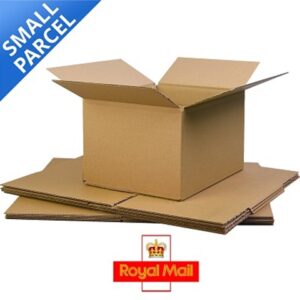
Cardboard is one of the most dependable packaging materials available. It is widely recycled and structurally versatile. double wall boxes provide extra durability for heavier or high-value items. Their layered design absorbs impact better than single wall alternatives.
Choosing the correct parcel box size also matters. Oversized cartons require extra cushioning, often in the form of additional bubble wrap or fillers. A closer fit reduces the need for excess material and lowers shipping weight.
Can Paper-Based Alternatives Replace Plastic Accessories?
Plastic tape and synthetic wraps often complicate recycling. Paper adhesive seals bond securely to cardboard and can be recycled with the box. When applied to double wall boxes or standard parcel boxes, they maintain strength without adding mixed materials.
Honeycomb paper wrap and kraft cushioning are practical alternatives to bubble wrap. They provide structure and shock absorption while remaining recyclable. Used together with strong outer boxes, they create a protective system that feels simple rather than layered with unnecessary plastic.
Do Biodegradable Fillers Improve the Overall System?
Void fill plays an important role in preventing movement during transit. Biodegradable fillers, often made from plant-based materials, break down more naturally than synthetic versions. Combined with biodegradable bubble wrap inside secure parcel boxes, they stabilise products without adding persistent waste.
The key is balance. Too much filler signals inefficiency. Too little leads to damage. Sustainable practice means using exactly what is needed.
Why Do These Materials Work So Well?
Effective sustainable packaging materials succeed because they address both protection and disposal. A package that cannot protect its contents creates waste through damage. A package that protects but cannot be responsibly discarded creates a different problem.
double wall boxes offer structural strength that reduces crushing and corner damage. Their durability lowers return rates. Correctly sized parcel boxes reduce empty space and limit the need for excessive bubble wrap.
Protective solutions such as biodegradable bubble wrap mirror the cushioning qualities of traditional bubble wrap while offering improved end-of-life outcomes. Paper wraps and biodegradable fillers align better with recyclable cardboard, keeping the packaging system straightforward.
Customers respond to visible effort. Recyclable boxes and compostable cushioning communicate awareness. They show that a business has considered the full lifecycle of its packaging materials, not just the shipping stage.
Operationally, the benefits are measurable. Fewer damaged shipments reduce replacement costs. Lighter parcels lower transport expenses. Cleaner material streams simplify recycling.
Conclusion
Sustainable packaging today is built on practical adjustments rather than grand statements. Selecting appropriate parcel boxes, reinforcing shipments with double wall boxes, and packaging supplies with plastic bubble wrap are meaningful steps.
Switching to biodegradable bubble wrap, introducing recyclable paper alternatives, and using biodegradable fillers create a packaging system that protects goods and respects environmental limits. Each shipment becomes an opportunity to do things better.
The most effective practices are consistent. They focus on right-sizing, durable materials, and responsible disposal. When businesses treat packaging as part of their wider responsibility rather than an afterthought, sustainability becomes part of everyday operations rather than a marketing claim.