The roof serves as the primary shield for any residence, yet many people rush into replacements without proper planning. Selecting a high-quality Asphalt Shingle Roofing system is a popular choice for durability, but the success of the installation depends on avoiding critical oversights. This guide examines the pitfalls that lead to leaks, wasted money, and structural damage. Careful preparation ensures the structural integrity of the home remains intact while providing peace of mind for the property owner.
Neglecting the Ventilation System
Homeowners often focus solely on the exterior look of the shingles. Ignoring what happens underneath the surface leads to trapped heat and moisture. A roof that cannot breathe will bake the shingles from the inside out, causing them to curl and fail years before their time. Proper airflow keeps the attic cool and prevents ice dams during winter months. Balancing intake and exhaust vents creates a consistent temperature that protects the decking from rot and prevents mold growth within the attic space.
Choosing the Lowest Bidder Without Research
Price should never be the only factor when selecting a contractor. Low estimates often hide a lack of insurance, poor materials, or a total absence of warranties. Checking these specific areas helps ensure the project stays on track:
- Verification of local business licenses and active liability insurance.
- Recent references from neighbors who had similar work completed.
- Written proof of manufacturer certifications for the specific roofing brand.
- Clear timelines for debris removal and site cleanup.
Layering New Shingles Over Old Ones
Adding a second layer of shingles might seem like a shortcut to save money on labor. This mistake adds thousands of pounds of unnecessary weight to the home’s structure. It also prevents the installer from inspecting the wooden decking for rot or soft spots. Starting with a clean slate is the only way to guarantee a solid foundation for the new roof. Stripping the old materials away allows the crew to install a proper waterproof underlayment that guards against wind-driven rain.
Overlooking the Importance of Flashing
Metal flashing is the most vital component for preventing leaks around chimneys, vents, and valleys. Reusing old, rusty flashing to save a few dollars creates a weak point in the entire system. New flashing must be integrated correctly with the shingles to direct water away from the most vulnerable gaps in the roofline. Skilled installers prioritize these transition points because they represent the highest risk for water intrusion over the lifespan of the material.
Mismanaging the Financial and Legal Details
Roofing projects involve significant legal and financial commitments. Homeowners frequently sign contracts without understanding the fine print or verifying the permit process. Avoiding these clerical errors protects your property value:
- Obtaining all necessary building permits required by the city or county.
- Securing a fixed-price contract rather than a vague verbal estimate.
- Understanding the difference between a workmanship warranty and a material warranty.
- Confirming that the contractor uses a lien waiver to protect against unpaid supplier claims.
Failing to Inspect the Final Result
The job is not finished just because the crew packed up their tools. Walking the perimeter of the house allows you to spot crooked shingles, exposed nails, or leftover debris in the gutters. A final walkthrough with the foreman ensures that every detail meets the standards promised in the initial agreement. Requesting a photo report of the finished work, especially in hard-to-see areas like the peaks and valleys, provides a record for future insurance needs or home sales.
Skipping the Underlayment Upgrade
Standard felt paper used to be the industry norm, but modern synthetic underlayment offers far superior protection. High-quality synthetic barriers provide a secondary layer of defense that felt cannot match, especially during high-wind events. Water molecules struggle to penetrate these synthetic fibers, keeping the wooden deck dry even if a shingle blows off. Investing in a premium underlayment is a small upfront cost that prevents catastrophic water damage inside the home.
Ignoring Local Building Codes
Municipalities have specific requirements for roofing materials and installation methods based on regional weather patterns. Homeowners who bypass the permit process or ignore local codes face heavy fines or issues when trying to sell the property. Ensuring the project meets or exceeds local standards guarantees that the roof can withstand local wind speeds and snow loads. Professional contractors handle these details, but the property owner remains ultimately responsible for compliance.
Poor Gutter Coordination
New roofs and old, clogged gutters do not work well together. Debris-filled gutters cause water to back up under the bottom edge of the new shingles, leading to fascia rot. Aligning a roof replacement with a gutter inspection ensures that the entire water shedding system functions as a single unit. Drip edges must be installed correctly to direct water into the center of the gutters rather than letting it run behind them and down the siding.
Improper Nail Placement and Technique
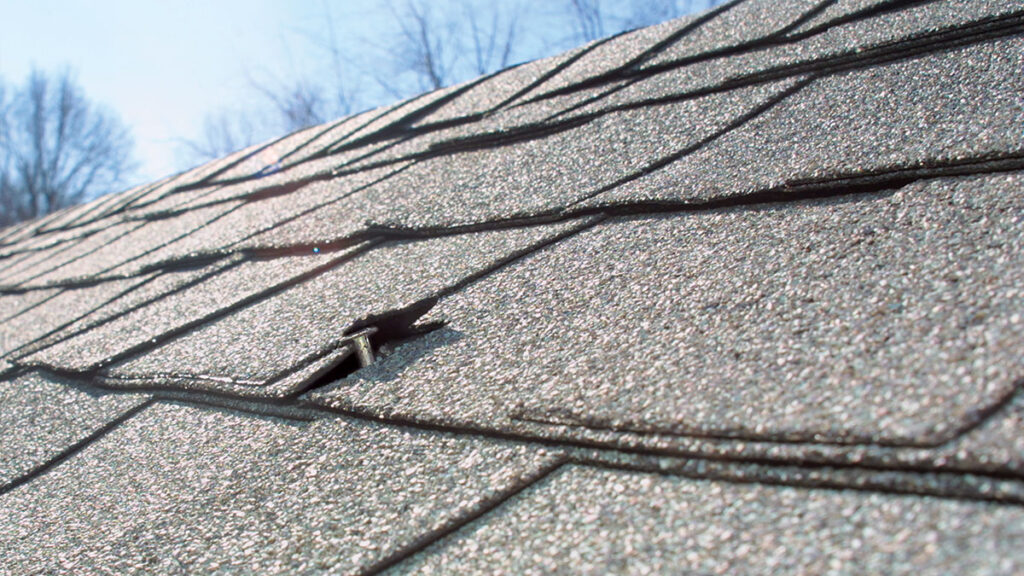
Shingles require a specific number of nails placed at precise intervals to meet wind resistance ratings. Driving nails too deep punctures the shingle, while leaving them too high prevents the next layer from sealing properly. Proper pneumatic tool calibration ensures every fastener sits flush against the surface. A roof installed with poor nailing patterns will likely strip away during the first major storm, leaving the house exposed to the elements.
Conclusion
Replacing a roof is a significant investment that requires attention to detail. Avoiding common mistakes like poor ventilation or hiring unverified contractors saves thousands of dollars over the lifespan of the home. Taking the time to do things correctly the first time ensures the house remains dry and secure for decades. Property owners who stay involved and informed during the process end up with a durable, beautiful, and functional roof.
Frequently Asked Questions
How can I tell if a roofing estimate is too low to be trusted?
Extremely low bids often indicate that the contractor is cutting corners on insurance, labor wages, or material quality. Compare three different quotes to find the median price for your area and ask for a detailed breakdown of costs. Professional companies provide transparent pricing that covers permits, disposal fees, and high-grade materials.
Does a new roof require a permit in most residential areas?
Most local governments require a building permit for a full roof replacement to ensure the work meets safety and structural codes. Working without a permit can lead to legal issues and may void your homeowner’s insurance policy in the event of a claim. Reliable contractors usually pull the permit as part of their service package.
What is the benefit of synthetic underlayment over traditional felt?
Synthetic underlayment is much stronger and more resistant to tearing than traditional organic felt paper. It does not absorb moisture, which prevents it from wrinkling or rotting over time. This material provides a flatter surface for shingle installation and offers better protection against leaks during severe weather.
How long should a standard asphalt shingle roof last?
A well-installed asphalt shingle roof typically lasts between twenty and thirty years depending on the climate and maintenance levels. Factors like attic ventilation, the quality of the shingles, and local weather extremes play a massive role in the actual lifespan. Regular inspections help identify minor issues before they turn into major failures.