Introduction
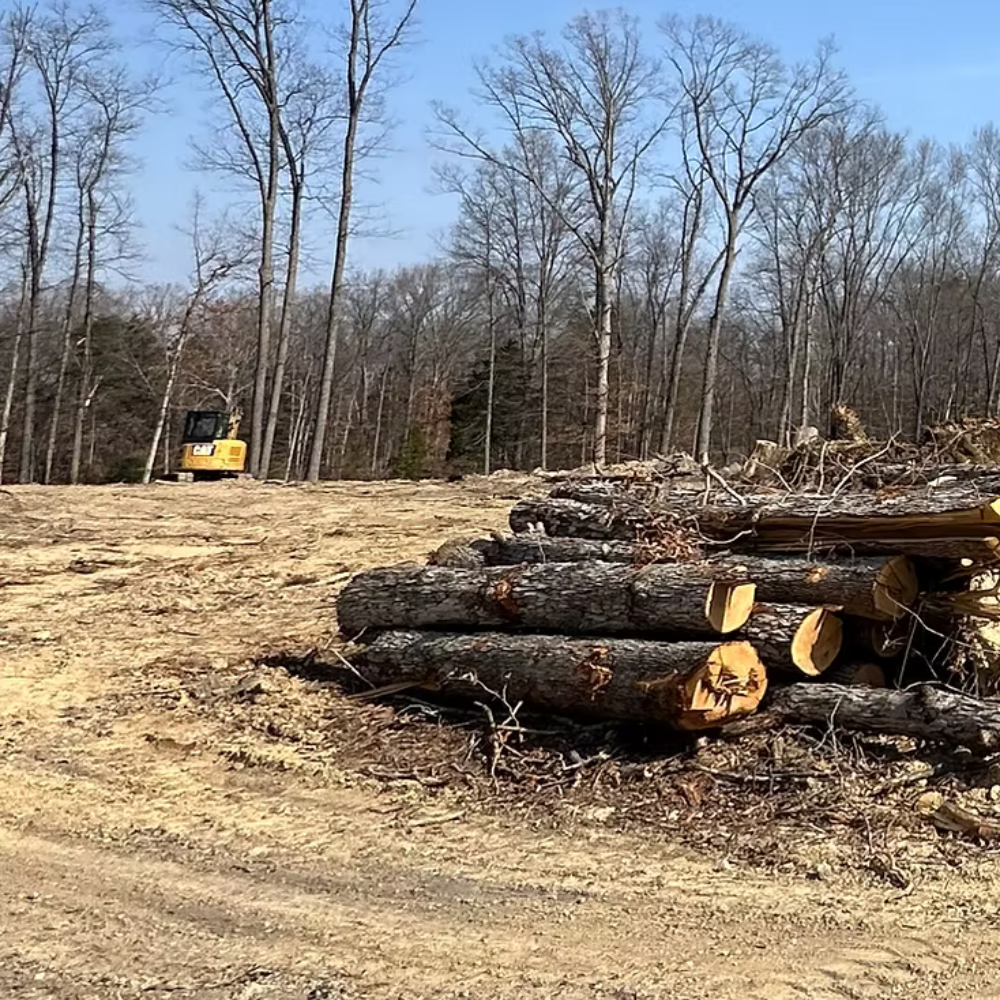
Most people picture land clearing as chainsaws, brush piles, maybe a bulldozer pushing stuff around. And yeah, that’s part of it. But that’s not the whole story, not even close.
Once you start digging into land clearing in Virginia, things get a bit more complicated. It’s not just removing what’s on top. It’s dealing with roots, soil conditions, drainage, and whatever surprises are hiding underneath. And there are always surprises. Always.
It Starts Rough, But It’s Supposed To
Let’s be real, the beginning of any clearing job looks messy. Trees down, brush everywhere, ground torn up. That’s normal. If it looks too clean too early, something’s probably being skipped.
Clearing means removing everything that doesn’t belong to trees, stumps, rocks, debris. But the key part? Getting those roots out. Not just cutting trees at ground level. Because if roots stay, they rot later. That creates soft spots. And soft spots turn into problems once construction starts.
It’s not pretty work. But it sets the tone for everything after.
The Ground Underneath Matters More Than You Think
Truth is, once the surface is cleared, that’s when the real work shows up. What’s underneath decides everything.
Virginia soil can be tricky. Some areas drain fine, others hold water like a bucket with no holes. Clay-heavy spots especially. You don’t notice it right away, but once rain hits, it becomes obvious real quick.
This is where grading comes in. Not just leveling, but shaping the land so water moves where it should. If that step gets rushed or worse, ignored you’ll deal with puddles, erosion, maybe even foundation issues later.
Burning, Hauling, or Grinding There’s Always a Choice
After clearing, you’ve got to deal with the debris. And there’s no one-size-fits-all answer here.
Some people burn. Works in certain areas, depending on regulations. Others haul everything away, which costs more but leaves a clean slate. Then there’s grinding turning debris into mulch and spreading it back into the soil.
Each method has its place. The wrong choice, though, can leave you with hidden problems. Buried debris, for example, breaks down over time and creates uneven ground. Looks fine at first. Then it doesn’t.
Drainage and Septic Systems Are Closer Than You Think
Here’s something people overlook—land clearing doesn’t happen in isolation. It ties into everything else, especially underground systems.
Poor drainage after clearing can affect septic systems. It’s not obvious at first, but water flow changes once land is opened up. That’s where things like septic installation repairs Winchester VA come into play. If the soil gets oversaturated or shifts, those systems take a hit.
The short answer is, you can’t treat clearing like a separate job. It’s connected to the whole property setup, whether you plan for it or not.
Equipment Does More Than Just Speed Things Up
People sometimes think heavy equipment is just about getting the job done faster. It’s not.
Proper machines, excavators, mulchers, grading equipment they do cleaner work. More precise. Less damage to the surrounding land. That matters, especially if you’re trying to preserve certain areas or avoid unnecessary soil disruption.
Using the wrong tools, or not enough of them, leaves behind uneven terrain. And fixing that later? Costs more time and money than doing it right the first time.
Timing Can Make or Break the Whole Job
Weather plays a bigger role than most expect. Clearing wet land turns it into a mess. Mud everywhere, soil compacted the wrong way. Then when it dries, it hardens unevenly.
Too dry, though, and dust becomes a problem. Not to mention fire risks if you’re dealing with brush piles.
Good timing isn’t about convenience. It’s about conditions. And sometimes that means waiting, even when you don’t want to.
What Happens If You Cut Corners
Let’s be honest, people try to save money here. Skip root removal. Rush grading. Ignore drainage planning.
It works for a little while.
Then issues show up. Sinking ground, standing water, shifting soil. And eventually, bigger problems that tie back to things like septic installation repairs Winchester VA, because once the ground starts moving or holding water, everything built on it feels the impact.
Fixing those mistakes later costs way more than doing it right upfront. That’s just how it goes.
Conclusion
So yeah, land clearing sounds simple until you actually get into it. It’s not just cutting trees and calling it done. It’s prepping the ground so everything that comes next has a solid base to work from.
Doing land clearing in Virginia the right way means thinking beyond the surface. Soil, drainage, debris handling, timing it all matters. Miss one piece, and it shows up later, usually when it’s harder to fix.
And once you see how it connects to bigger systems like septic installation repairs Winchester VA it becomes clear this isn’t a place to rush or cut corners. Get it right early, and everything else goes smoother. That’s the goal, really.