If you have ever felt a sharp, lingering pain while sipping your morning coffee or noticed a dull ache in your jaw that simply won’t go away, you know how quickly dental discomfort can dominate your day. When oral pain reaches a certain threshold, the phrase “root canal” often enters the conversation. For many, this brings up a sense of anxiety fueled by old-fashioned myths, but in modern dentistry, a root canal is actually the “superhero” procedure, it is the final line of defense that saves your natural tooth from extraction.
In the United States, approximately 15 million root canals are performed every year with incredible success. According to the American Association of Endodontists, modern technology has made the procedure virtually painless and as routine as getting a standard filling. If you are experiencing dental distress, seeking a consultation for a root canal in Taylor, TX, is the most proactive step you can take to preserve your smile and your long-term health.
At Taylor Dental and Braces, we believe that understanding your treatment is the best way to alleviate fear. In this guide, we will explore why this procedure is necessary, how it works, and how a trusted dentist in Taylor, TX, can help you get back to a pain-free life.
1. What is a Root Canal and Why Is It Necessary?
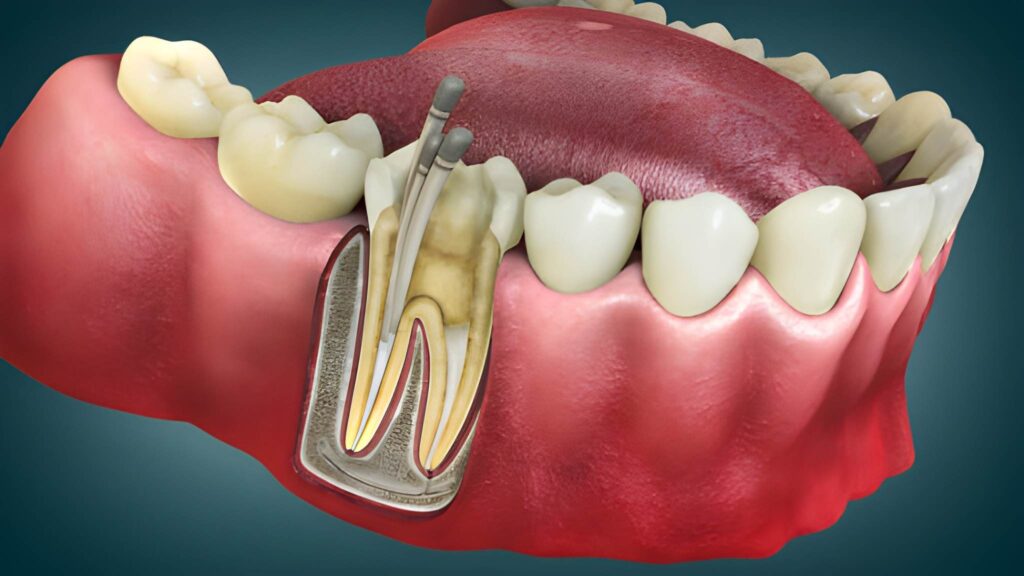
To understand a root canal, we first have to look at the anatomy of a tooth. Beneath the hard white enamel and the secondary layer called dentin lies a soft tissue known as the pulp. This pulp contains the tooth’s nerves, blood vessels, and connective tissue. While the pulp is vital during a tooth’s growth and development, a fully mature tooth can survive without it because it continues to be nourished by the surrounding tissues.
A root canal becomes necessary when this pulp becomes inflamed or infected. This usually happens due to:
- Deep Decay: Untreated cavities that reach the inner chamber.
- Repeated Dental Procedures: Multiple treatments on the same tooth can stress the pulp.
- Cracks or Chips: Even a tiny fissure can allow bacteria to seep into the pulp.
- Trauma: A physical blow to the face can damage the pulp even if there are no visible chips in the tooth.
If the infected pulp is not removed, it can lead to a painful abscess, bone loss around the tip of the root, and systemic inflammation. Choosing a root canal in Taylor, TX, allows your dentist to clear out the infection, seal the tooth, and keep your natural bite intact.
2. Common Signs You Might Need a Root Canal
Your body has a very effective way of telling you that something is wrong deep inside a tooth. While only a professional examination by a dentist in Taylor, TX, can provide a definitive diagnosis, keep an eye out for these five red flags:
Persistent Pain
This isn’t just a fleeting twinge. This is pain that feels deep in the bone of your tooth. It may go away and come back, or it might be a constant throb that keeps you up at night.
Sensitivity to Heat and Cold
Does your tooth ache when you eat ice cream or drink hot soup? While general sensitivity is common, “root canal” sensitivity usually lingers for several seconds or even minutes after the temperature stimulus is gone.
Swollen or Tender Gums
If you notice a small bump on your gums that looks like a pimple (called a fistula), it is often a sign of an infection trying to drain. The gums around the aching tooth may also appear red and swollen.
Tooth Discoloration
An infection in the pulp can cause the tooth to turn a dark grayish or blackish hue. This happens because the internal tissue is damaged or dying, similar to how a bruise changes the color of your skin.
Pain When Touching or Chewing
If the tooth is extremely sensitive to touch or if you cannot bite down without sharp pain, the ligament around the root may be inflamed due to a pulp infection.
3. The Root Canal Process: What to Expect
In 2026, the process of getting a root canal in Taylor, TX, is streamlined, efficient, and focused entirely on patient comfort. Here is the step-by-step roadmap of the procedure at Taylor Dental and Braces:
Step 1: Imaging and Anesthesia
First, we take digital X-rays to see the shape of the root canals and determine if there is any infection in the surrounding bone. We then apply local anesthesia to numb the area completely. Our goal is for you to feel nothing but slight pressure during the treatment.
Step 2: Accessing the Pulp
A small, protective sheet called a dental dam is placed around the tooth to keep the area dry and free of saliva. A tiny access hole is then made in the crown of the tooth to reach the damaged pulp.
Step 3: Cleaning and Shaping
Using highly precise, micro-sized instruments, the dentist removes the infected and dead pulp tissue. The canals are then meticulously cleaned and disinfected with antibacterial solutions to ensure no germs remain.
Step 4: Sealing the Tooth
Once the canals are clean and dry, they are filled with a biocompatible, rubber-like material called gutta-percha. This seals the canals to prevent future bacteria from entering. A temporary filling is usually placed over the access hole.
Step 5: Final Restoration
Because a tooth that has had a root canal is no longer “alive,” it can become brittle over time. To ensure it doesn’t fracture, you will return to your dentist in Taylor, TX, a few weeks later to have a permanent crown placed. This restores the tooth to its full strength and natural appearance.
4. Post-Treatment Care and Recovery Tips
The “recovery” from a root canal is remarkably fast. Most patients find they can return to work or school the very next day. However, following these tips will ensure a smooth healing process:
- Manage Mild Discomfort: It is normal for the tooth to feel a bit sensitive for the first few days. Over-the-counter anti-inflammatory medications are usually all that is needed.
- Watch What You Eat: Until your permanent crown is placed, avoid chewing on the treated tooth, especially hard or crunchy foods like ice or nuts.
- Maintain Hygiene: Continue to brush and floss normally. Keeping the area clean is essential for healing.
- Follow Up: Don’t skip the appointment for your permanent crown! That final step is what ensures the tooth survives for decades.
5. Why Choose Taylor Dental and Braces?
When it comes to your oral health, experience matters. Choosing a local dentist in Taylor, TX, means you have a partner who is invested in the community and your long-term wellness.
At Taylor Dental and Braces, we combine the latest 2026 dental technology with a compassionate, patient-first approach. We understand that the idea of a root canal can be intimidating, which is why we prioritize clear communication and gentle techniques.
Local Expertise, Proven Results
Statistics show that teeth treated with root canals have a survival rate of about 98% even ten years later. By choosing an expert team for your root canal in Taylor, TX, you are making a cost-effective choice. Saving a natural tooth is almost always less expensive and less invasive than extracting a tooth and replacing it with a dental implant or bridge.
Conclusion: Take Action for Your Smile
A root canal isn’t something to fear, it is a sophisticated solution to a painful problem. By removing infection and sealing the tooth, we can stop pain in its tracks and prevent the need for more complex surgeries down the road.
If you are struggling with tooth pain or have noticed any of the warning signs mentioned above, don’t wait for the problem to worsen. Early intervention is the key to a successful outcome. Consult with a qualified dentist in Taylor, TX, to get a personalized assessment of your needs.
Are you ready to find relief and save your smile? Contact Taylor Dental and Braces today to schedule your consultation. Our friendly team is here to answer your questions and provide the expert care you deserve.