Flooring is one of those choices that seem simple at first but become complicated the longer you think about them. It has to look good, of course. But it also has to survive daily life. It has to handle furniture being rearranged, shoes coming in from outside, seasonal changes, and the quiet wear that happens year after year. In modern homes, where spaces are open and materials are carefully chosen, the floor carries more visual weight than ever.
Engineered flooring has become a practical answer to these demands. It retains the character of real wood but is built in a way that aligns with how homes function today. Rather than being a compromise, it is often a thoughtful upgrade.
What Is Engineered Flooring and Why Is It Made in Layers?
When people hear the word “engineered,” they sometimes assume the material is artificial. In reality, the top layer is genuine hardwood. What makes it different from solid timber is the construction beneath that surface.
Engineered boards are formed from multiple layers of wood that are bonded together. Each layer runs in a different direction. That cross-layer structure strengthens the board and helps control how much it reacts to moisture and heat.
Wood naturally expands and contracts. In older homes without modern heating systems, this movement was less noticeable. In today’s houses, where underfloor heating and insulation are common, temperature shifts are part of everyday life. Solid planks can respond quite dramatically to these changes. Engineered boards are designed to respond more gently, reducing the risk of gaps or uneven edges.
This layered build also makes them suitable for concrete subfloors, which are standard in many contemporary properties.
Why Does Engineered Flooring Suit Modern Living?
Modern interiors tend to favour openness. Kitchens flow into living rooms. Natural light travels across large areas of uninterrupted flooring. In these spaces, stability is essential. Even minor movement can become noticeable when the floor spans an entire open-plan layout.
Engineered flooring performs well in these environments. It handles heating systems more reliably than many solid wood alternatives. For households using underfloor heating, this reliability offers reassurance.
Style flexibility is another advantage. Finishes inspired by oak flooring remain popular because they feel grounded and adaptable. Oak tones complement neutral palettes, soft furnishings, and both minimalist and traditional décor.
At the same time, lighter surfaces are increasingly common. white engineered flooring appeals to homeowners who want brightness without losing the warmth of wood. These lighter tones reflect daylight and help create a calm atmosphere, especially in smaller or urban homes.
Practicality cannot be ignored. Floors endure constant traffic. From pets running through hallways to chairs being pulled out at the dining table, surfaces take repeated impact. Engineered boards are typically treated with protective finishes that help resist scratches and everyday wear, making them more durable over the long term.
What Types of Engineered Flooring Are Available?
One of the strengths of engineered flooring is variety. It is not limited to a single look.
Plank Options
Straight planks are a familiar choice. They create continuity and pair easily with different interior styles. Wider boards often make a room feel more spacious, while narrower planks introduce subtle texture.
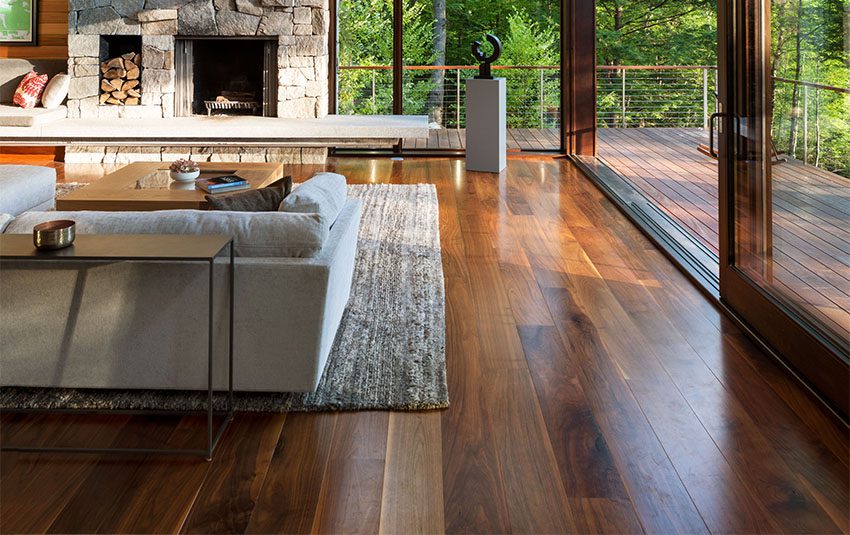
Natural finishes similar to oak flooring continue to attract homeowners because they showcase authentic grain without overpowering the room. The effect is warm yet understated.
Patterned Layouts
For those wanting something more distinctive, engineered parquet flooring offers patterned designs that add movement and structure. Parquet can transform a simple living area into a space with architectural interest.
Using engineered construction for parquet provides extra stability. The layered base helps maintain the integrity of the pattern, particularly in homes where heating systems could otherwise cause noticeable shifting.
Light Contemporary Finishes
Lighter tones, including white engineered flooring, are often chosen for modern interiors that lean toward simplicity. These finishes create a gentle backdrop, allowing furniture and artwork to stand out.
They are also effective in open layouts, where a consistent light tone can connect the home’s different zones.
How Does Engineered Flooring Age Over Time?
Durability is not only about resisting scratches in the first year. It is about maintaining structure and appearance over time. Engineered flooring combines a hardwood top layer with a supportive core, which helps the boards remain stable.
Depending on the thickness of the surface layer, some options can be lightly sanded and refinished later. This extends the floor’s life and refreshes its appearance without requiring a full replacement.
Patterned designs such as engineered parquet flooring particularly benefit from this stability, as alignment is central to their visual appeal.
Similarly, plank styles inspired by oak flooring tend to hold their form consistently in heated environments.
Is Engineered Flooring a Sensible Long-Term Decision?
A floor should feel like a considered investment rather than a temporary solution. Engineered flooring supports modern heating systems, adapts to common subfloors, and offers a wide range of finishes.
Whether choosing classic wood tones or brighter options like white engineered flooring, homeowners can align their selection with both current tastes and long-term practicality.
Conclusion
Engineered flooring stands out for combining natural character with structural reliability. It respects the appeal of real wood while adjusting to the realities of contemporary homes.
From the detailed look of engineered parquet flooring to the familiar warmth associated with oak flooring, and the light, open feel of white engineered flooring, it offers solutions that balance design with performance.
For modern households seeking durability without sacrificing authenticity, engineered flooring provides a dependable foundation built for everyday living.