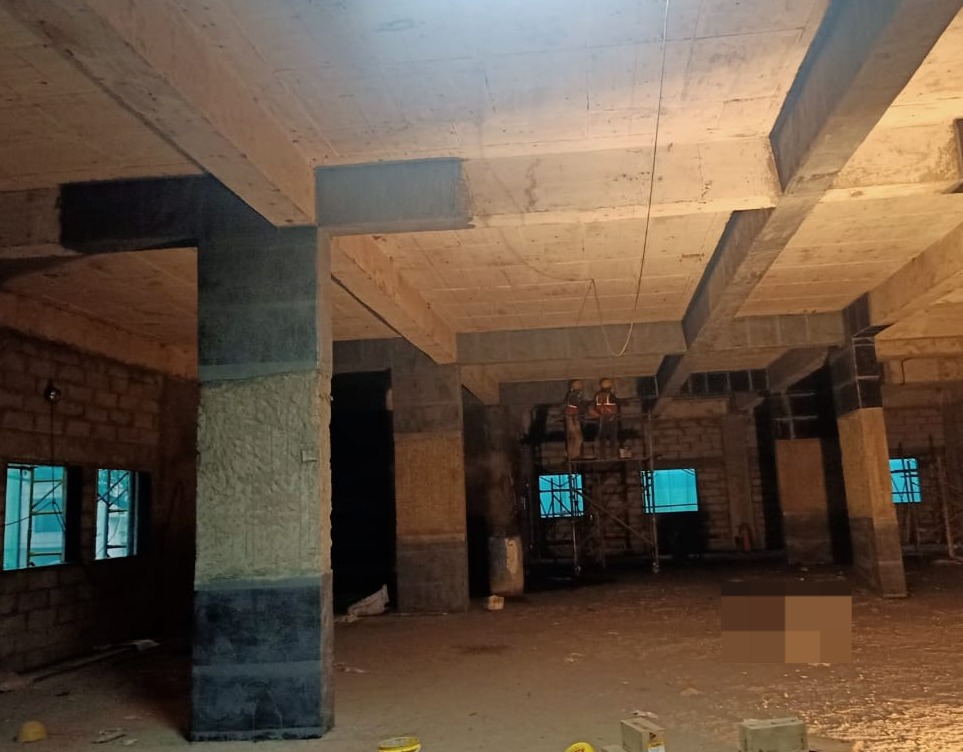
Modern buildings and infrastructure are expected to perform safely under increasing loads, changing usage patterns, and aging conditions. Over time, many reinforced concrete structures begin to show signs of distress, especially in beams and slabs. Cracks, excessive deflection, and reduced load capacity are common issues. This is where flexural strengthening becomes critical, as it directly improves the bending capacity of structural elements without major demolition or reconstruction.
Understanding Flexural Behavior in Concrete Structures
Flexural behavior refers to how a structural member reacts when subjected to bending forces. Beams, slabs, and girders primarily experience flexural stress during daily use. When these members are under-designed, poorly constructed, or overloaded, their flexural capacity reduces. Flexural strengthening focuses on restoring or enhancing this capacity so that structures can safely resist applied loads and meet current performance standards.
Why Buildings Require Flexural Strengthening
There are several practical reasons why structures require flexural strengthening over time. Changes in building usage, such as converting residential spaces into offices or adding heavy equipment, significantly increase loads. Additionally, material degradation, corrosion of reinforcement, and design errors also contribute. Flexural strengthening offers a targeted solution that addresses these problems while extending the service life of existing structures.
Common Signs Indicating Flexural Deficiency
Recognizing early signs of flexural deficiency helps prevent severe structural damage. Visible cracks along beam soffits, sagging slabs, and noticeable vibrations are common indicators. In many cases, these issues worsen gradually and remain unnoticed. Timely structural assessment followed by flexural strengthening ensures that these members regain their required stiffness, strength, and overall structural reliability.
Popular Methods Used for Flexural Strengthening
Several proven techniques are used in flexural strengthening projects today. These include fiber reinforced polymer wrapping, steel plate bonding, concrete jacketing, and external post-tensioning. Each method is selected based on load requirements, site constraints, and budget considerations. Among these, externally bonded systems are widely preferred due to minimal disruption and faster execution while achieving reliable strengthening results.
Role of Carbon Fiber in Flexural Strengthening
Carbon fiber reinforced polymer systems have become a popular choice for flexural strengthening due to their high strength-to-weight ratio. These materials are bonded to the tension zone of beams or slabs, enhancing bending resistance. Carbon fiber solutions are corrosion resistant, thin, and lightweight, making them suitable for retrofitting projects where space and aesthetics are important considerations.
Flexural Strengthening for Beams
Beams are among the most commonly strengthened structural elements. Insufficient reinforcement, increased span lengths, or added floors often result in beam failure risks. Flexural strengthening of beams improves their load-carrying capacity and controls crack widths. Proper surface preparation, material selection, and installation technique are essential to ensure effective load transfer and long-term performance of strengthened beams.
Strengthening of Slabs Using Flexural Techniques
Concrete slabs frequently experience flexural distress due to increased live loads or design limitations. Strengthening slabs improves their ability to resist bending moments and reduces excessive deflection. Techniques such as fiber laminates or overlay systems are widely used. Flexural strengthening of slabs is especially beneficial in commercial buildings, parking structures, and industrial floors with heavy operational loads.
Importance of Structural Assessment Before Strengthening
A detailed structural evaluation is a critical first step before implementing any flexural strengthening solution. Engineers analyze load conditions, material properties, crack patterns, and reinforcement details. This assessment ensures that the selected strengthening method addresses the root cause of distress. Without proper analysis, even well-executed strengthening measures may fail to deliver the desired structural performance.
Advantages of Flexural Strengthening Over Reconstruction
One major advantage of flexural strengthening is that it avoids costly demolition and rebuilding. Strengthening allows existing structures to be upgraded while remaining operational in many cases. It also reduces construction waste and project timelines. From an economic and environmental perspective, flexural strengthening is often the most practical solution for extending structural life and improving safety.
Applications Across Different Building Types
Flexural strengthening is widely applied across residential, commercial, industrial, and infrastructure projects. Residential buildings benefit from slab and beam upgrades, while commercial spaces often require strengthening due to layout changes. Industrial structures face heavy machinery loads, making strengthening essential. Even bridges and flyovers rely on flexural strengthening to meet modern traffic demands and safety requirements.
Long-Term Performance and Durability Considerations
Durability is a key concern in any strengthening project. Materials used in flexural strengthening must resist environmental exposure, temperature variations, and chemical attack. Proper detailing and protective coatings enhance long-term performance. When executed correctly, strengthening solutions can perform effectively for decades, reducing maintenance costs and ensuring consistent structural safety over time.
Importance of Skilled Execution and Quality Control
Successful flexural strengthening relies heavily on skilled execution and adherence to engineering specifications. From surface preparation to material curing, every step impacts performance. Quality control checks ensure proper bonding, alignment, and load transfer. Engaging experienced professionals minimizes risks and ensures that the strengthened structure meets both safety and serviceability requirements.
As structures age and usage demands evolve, flexural deficiencies become increasingly common. Flexural strengthening provides a reliable, efficient, and cost-effective solution to restore and enhance structural performance. By addressing bending-related issues directly, it improves safety, durability, and functionality. With proper assessment, design, and execution, flexural strengthening plays a vital role in sustainable infrastructure development.