Modern societies depend heavily on reliable electricity. From hospitals and data centers to factories and homes, nearly every aspect of daily life relies on a stable power grid. However, maintaining stability in electrical networks is becoming increasingly complex due to rising energy demand, renewable integration, and aging infrastructure. This is where power systems studies play a vital role.
By carefully analyzing how electricity flows through a network, engineers can predict potential issues, optimize system performance, and ensure long-term reliability. Without these studies, even small disturbances in the grid could escalate into large-scale outages.
Below, we explore why these studies are indispensable for maintaining grid stability and ensuring safe, efficient power system operations.
Understanding the Complexity of Modern Power Grids
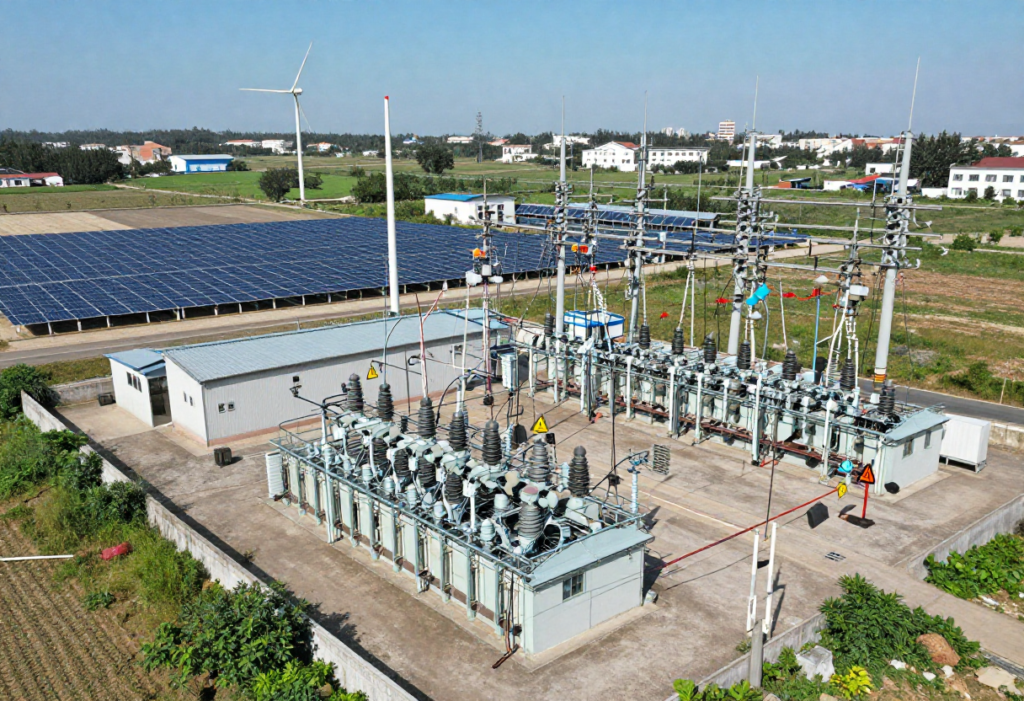
Today’s electrical grids are far more complex than they were decades ago. Utilities must manage diverse generation sources such as thermal plants, hydropower, solar farms, and wind turbines. Each source behaves differently within the network and introduces unique operational challenges.
A detailed electrical power system analysis helps engineers understand how these different elements interact within the grid. It evaluates voltage levels, current flows, system losses, and network constraints. With this insight, operators can make informed decisions to keep the system balanced and stable.
Without proper analysis, the interaction between multiple generation sources and transmission lines can lead to voltage instability, equipment overloads, or cascading failures.
Preventing Power Outages and System Failures
One of the most critical benefits of conducting a power system study is the ability to prevent unexpected outages. Electrical networks experience constant changes in load demand, generation output, and environmental conditions.
Through systematic modeling and simulations, engineers can identify weak points in the grid before they cause problems. For example, a study might reveal that a particular transmission line is at risk of overloading during peak demand hours.
Once identified, utilities can implement preventive measures such as upgrading equipment, redistributing loads, or adjusting protection settings. These proactive strategies significantly reduce the risk of blackouts and improve overall grid reliability.
Ensuring Safe Operation of Electrical Equipment
Electrical infrastructure—transformers, generators, circuit breakers, and cables—must operate within specific limits. Exceeding these limits can cause overheating, insulation failure, or permanent damage to expensive equipment.
A thorough power system study evaluates operating conditions under both normal and fault scenarios. Engineers analyze factors such as short-circuit currents, voltage fluctuations, and system stability to ensure all components operate safely.
These insights help determine proper equipment ratings, protection coordination, and system design parameters. As a result, organizations can avoid costly damage and maintain long-term operational safety.
Supporting Renewable Energy Integration
The global transition toward renewable energy presents new challenges for grid stability. Solar and wind power are inherently variable, meaning their output can change rapidly depending on weather conditions.
Without proper planning, these fluctuations can lead to voltage instability and frequency deviations across the grid. Power system studies allow engineers to evaluate how renewable resources will impact existing infrastructure before they are connected to the network.
Through advanced simulations, utilities can determine the optimal locations for renewable installations, assess grid capacity, and design necessary reinforcements. This ensures clean energy sources are integrated without compromising system stability.
Improving Grid Planning and Expansion
As electricity demand continues to grow, utilities must expand and upgrade their networks to accommodate new loads and infrastructure. However, building transmission lines or installing new substations requires careful planning.
Power system studies provide a clear understanding of how future changes will affect the grid. Engineers can simulate different scenarios, including population growth, industrial development, and new generation facilities.
By analyzing these scenarios, planners can design more efficient expansion strategies while avoiding unnecessary investments. This data-driven approach helps utilities optimize infrastructure spending while maintaining reliable service.
Enhancing Protection and Fault Management
Electrical faults—such as short circuits or equipment failures—can occur unexpectedly in any power system. If not managed properly, these events can spread quickly and destabilize the entire network.
Protection systems, including relays and circuit breakers, are designed to isolate faults instantly. However, these systems must be carefully coordinated to operate correctly.
Power system studies analyze fault currents, relay coordination, and system response to disturbances. This ensures protection devices operate in the correct sequence, minimizing damage and restoring service as quickly as possible.
Effective fault management not only protects equipment but also enhances overall grid resilience.
Enabling Data-Driven Decision Making
Utilities and industrial facilities are increasingly relying on data-driven insights to improve operational efficiency. Power system studies provide the analytical foundation needed for these decisions.
Engineers can use study results to evaluate system upgrades, improve energy efficiency, and reduce operational risks. These insights also support compliance with regulatory standards and safety requirements.
By leveraging detailed system modeling, organizations can move from reactive problem-solving to proactive grid management.
Conclusion
In today’s rapidly evolving energy landscape, maintaining grid stability is more challenging than ever. Growing electricity demand, renewable integration, and complex infrastructure require careful analysis and planning.
Power system studies provide the tools engineers need to understand network behavior, prevent failures, and optimize system performance. From improving equipment safety to enabling renewable integration and guiding future expansion, these studies are essential for building a reliable and resilient electrical grid.
As power networks continue to evolve, investing in comprehensive analysis and planning will remain a key factor in ensuring stable, efficient electricity supply for generations to come.