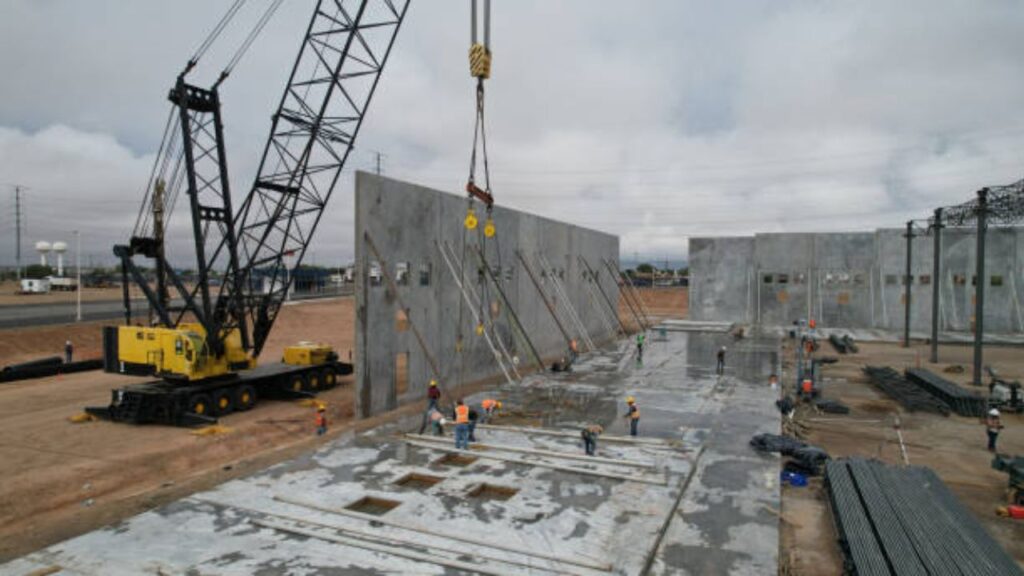
Nowhere else in building work do speed and strength meet so neatly as they do with tilt panel construction. These days, more crews lean toward pouring flat-slab sections right where they’ll stand – then hoisting them upright when set. Factories, storefronts, storage hubs – they’re all going up quicker thanks to this shift. Instead of juggling delays and budget spikes, teams find smoother progress using this hands-on technique. With deadlines tightening everywhere, it just makes sense to build smarter from the ground up.
The Speed Advantage
Speed stands out as a big reason tilt panel techniques are now common. While old-style builds need workers onsite for every wall piece, these panels form off to the side during other tasks. Work moves ahead on multiple fronts at once, which shaves weeks – often around a third – off total build time versus standard approaches. Businesses racing through tight markets find value here: opening doors sooner means income starts earlier, loans shrink quicker, delays fade. That clock advantage adds up without flash or promise, just timing.
Speed matters even after pouring stops. When slabs harden, cranes lift them upright fast – several going up before sunset. With walls sealed in days, crews move inside sooner, safe from rain or wind. Work indoors kicks off early because the shell blocks storms almost immediately. Companies wanting space now gain time others waste on slow builds.
Cost Effectiveness That Matters
Most choices in building businesses come down to money, yet tilt panel methods save a surprising amount. Work crews need fewer experts on site because pouring slabs follows predictable steps. Concrete plays several roles at once – it holds up the roof, blocks outside weather, plus becomes part of the inside look. Less handwork means shorter payrolls, while raw supplies add up to smaller bills than brick or metal frames.
Shorter building schedules mean workers get paid for fewer days, plus gear stays rented a shorter while. Since crews pour wall sections right where they’ll stand – low down and sheltered – materials go further, while rain or wind interrupts work less often. Working closer to the ground cuts danger too, which sometimes brings cheaper coverage for accidents during builds.

Durability and Performance
When it comes to standing up to storms or quakes, tilt panel buildings hold firm. Heavy-duty concrete walls resist damage from wind, tremors, even accidents. Strength like that means fewer repairs down the road. Owners who care about lasting performance often find this approach pays off quietly over time.
Concrete panels hold heat well, which keeps indoor spaces more stable through shifting seasons – lower bills follow. A tilt-up structure, once wrapped in proper insulation, often clears strict energy rules without effort, sometimes going beyond them quietly. Savings on utilities pile up over time, sure, though what stands out is how such features draw tenants who care about their environmental footprint. Property worth grows when practical design meets thoughtful resource use, even if nobody announces it.
Design Flexibility and Aesthetic Appeal
Folks often think tilt panel buildings look boring. Truth is, today’s methods open up plenty of room for creative shapes and styles. Each slab might carry its own pattern, shade, or surface treatment – no two have to match. Instead of adding details later, things like grooves, cutouts, or real masonry get set right into the concrete before it hardens. That means walls show character straight out of the mold, standing tall beside other build types.
Facing outward, tilted panel walls offer broad expanses ideal for labeling and logos in retail spots. Warehouses gain roominess inside when slanted sections leave no columns behind, helping operations flow without snags.
Finding the Right Partner for Your Tilt Panel Project
Picking design and build construction companies who know tilt panels well makes a big difference. Instead of hiring separate designers and contractors, teaming up with one group that handles both tends to go smoother. Firms focused on this method often spot smart choices about where panels go and how they fit together – shaping looks plus usefulness at once. Starting early, these crews uncover ways to spend less, sidestep snags before they grow, then move fast through permit checks. Look close at any company you consider: real track records with tilt-up work matter, along with engineers on staff and completed jobs that mirror what you’re aiming for.
Conclusion
Out here, tilt panel building stands out because it moves fast, costs less, lasts long, yet fits many needs. Because results speak loud, more property creators now pick this way instead of old routines. From compact shops to giant warehouses, structures go up quicker without spending extra. Years of real use around the globe show it works – no guesswork needed. When time matters and budgets stay tight, this approach keeps delivering what builders count on.
FAQs
Q1. What is the main advantage of using tilt panel construction in commercial projects?
The main advantage is speed. Tilt panel methods allow multiple tasks to happen at once, reducing overall build time by about a third compared to traditional construction.
Q2. How does tilt panel construction help reduce costs?
It lowers labor needs, shortens construction schedules, and uses concrete efficiently, which cuts payroll, equipment rental time, and material expenses.
Q3. Are tilt panel buildings durable and energy efficient?
Yes. Concrete panels resist storms and damage while providing good thermal performance, which helps maintain stable indoor temperatures and reduces energy bills.
Q4. Can tilt panel buildings have attractive designs?
Yes. Panels can include custom patterns, textures, and finishes, allowing flexible designs and clean interior spaces without extra structural columns.