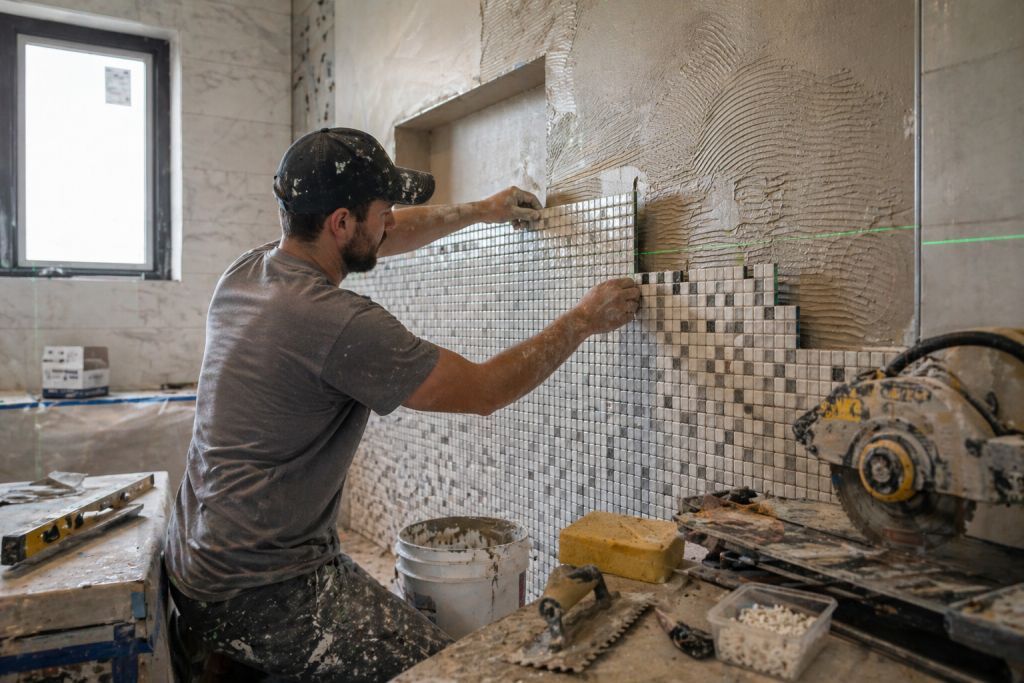
Mosaic tiles look amazing in photos. The intricate patterns. The texture. The way light hits the small pieces. It is easy to see why homeowners fall for them. But installing them is not like laying standard tiles. The process is more complex. The margin for error is smaller. If you rush into a mosaic project without knowing the basics, you will end up with a messy result and a bigger bill.
Here are seven practical things to understand before you start. These aren’t sales pitches. They are the realities contractors and designers wish more clients knew upfront.
1. Your Surface Must Be Perfectly Flat
Large tiles can hide minor bumps in a wall or floor. Mosaic tiles cannot. Because the individual pieces are so small, any unevenness in the substrate shows through immediately. You will see shadows. You will feel lippage. The sheets will not align properly.
This means substrate preparation is non-negotiable. Your installer may need to apply a leveling compound before the first tile goes down. This adds time and cost. But skipping this step guarantees a poor finish. If your contractor says they can tile over the existing surface without prep, get a second opinion.
2. Grout Lines Are Everywhere
A standard tile wall might have four grout lines per square foot. A mosaic wall has hundreds. Grout is porous. It absorbs water, soap, and dirt. In a bathroom or kitchen, this matters.
You have two main choices for grout. Cement-based grout is cheaper and easier to work with. But it stains easily and requires sealing. Epoxy grout costs more and sets faster. But it is non-porous. Water and mold cannot penetrate it. For wet areas, epoxy is worth the extra expense.
Also, consider grout color. White looks crisp initially. It turns gray quickly in high-traffic zones. Darker grout hides dirt better. Pick a color that matches your long-term expectations, not just the showroom look.
3. Material Choice Affects Everything
Not all mosaic tiles are the same. Glass mosaics are non-porous and reflect light. They work well in showers but can be slippery on floors. Ceramic mosaics are opaque and durable. They are easier to cut but rely on a glaze for water resistance. Natural stone mosaics look premium but require sealing upon installation and regular resealing after.
Each material needs a specific adhesive. Glass often requires white, non-sag mortar so the color doesn’t shift. Stone needs a flexible adhesive to handle movement. Using the wrong adhesive is a common mistake. It leads to tiles falling off or cracking. Always match the adhesive to the tile material.
4. Installation Is Not a Weekend DIY Project
Some home renovations are friendly to DIY. Painting. Installing shelves. Mosaic tiles are not one of them. The sheets are tricky to handle. They need precise alignment. Cutting around pipes, corners, or outlets requires specialized tools. A standard tile cutter will shatter glass or chip ceramic.
Professional installers use wet saws with fine blades. They know how to keep the sheets flat while the mortar cures. They understand how to manage the grout application without staining the tiles. Labor costs for mosaics are higher for a reason. If you try to save money by doing it yourself, you will likely spend more fixing mistakes later.
5. Cutting and Fitting Takes Extra Time
Mosaic sheets are flexible. That helps them wrap around curves. But it also means they can stretch or shift during installation. If you pull the sheet too hard, the gaps between tiles widen. The pattern looks distorted.
Installers need to work in small sections. They press each sheet firmly to ensure full mortar coverage. They check alignment constantly. This slows down the process. A mosaic wall takes longer to tile than a large-format wall. Factor this timeline into your renovation schedule. Rushing leads to errors.
6. Maintenance Is More Involved
More grout lines mean more surface area to clean. Soap scum, shampoo residue, and hard water stains settle into the joints. You cannot just wipe a mosaic wall quickly. You need a soft brush to agitate the grout lines.
If you choose natural stone, you must seal it regularly. Even with sealed grout, you should avoid harsh chemicals. Acidic cleaners can damage grout and stone. Stick to pH-neutral cleaners. For glass mosaics, a squeegee after each shower helps prevent water spots. It is a small habit that saves hours of deep cleaning later.
7. Buy from a Reputable Source
Do not order mosaic tiles based on a website photo alone. Color variation is real. A “cream” tile might look yellow in your bathroom light. Texture is hard to see on a screen. Some mosaics have sharp edges. Others are smooth. You need to feel the surface.
This is why visiting a local ceramic tile shop is worth the trip. You can hold the sheet. Check the mounting quality. Are pieces loose on the mesh? Is the pattern consistent? At a ceramic tile shop, staff can also advise on technical details. Which adhesive works best? Does this tile need pre-sealing? What is the lead time?
Batch consistency matters too. Mosaics are produced in lots. Colors can shift between batches. If you run short during installation, you need more from the same batch. A reliable ceramic tile shop will reserve enough stock for your entire project. They can also help you order an extra 10 percent for cuts and waste. Mosaics generate more offcuts than large tiles. Running short mid-project causes delays.
Final Thoughts
Mosaic tiles can transform a space. They add detail and character. But they demand respect. They are not a simple swap for standard tiles.
Prepare the surface properly. Choose the right grout and adhesive. Hire an experienced installer. And buy from a source that knows the product. If you handle these seven points, your mosaic project will last. It will look as good in five years as it does on day one.
If you skip them, you will fight with mold, cracked tiles, or uneven patterns. The extra planning upfront saves you from the headache later. Take the time to get it right. Your future self will thank you.