Centre Table
A centre table is more than just a functional piece of furniture—it is the focal point of your living room. Whether you are entertaining guests or enjoying a quiet evening at home, your centre table plays a key role in defining the overall look and feel of your space. Styling it thoughtfully can instantly elevate your interiors and give your home a polished, designer-inspired appearance.
In this guide, we will walk you through practical and easy-to-follow tips on how to style your centre table like a professional interior designer, using simple elements that bring balance, beauty, and personality to your space.
Understand the Purpose of Your Centre Table
Before you begin styling, it is important to understand how your centre table is used. Is it purely decorative, or does it also serve practical purposes such as holding drinks, books, or remote controls? Interior designers always balance aesthetics with functionality.
If your table is used frequently, avoid overcrowding it with too many decorative items. Instead, opt for a few carefully selected pieces that are easy to move or rearrange when needed. A well-styled table should look beautiful while still being practical for everyday use.
Start with a Clean and Clutter-Free Surface
The foundation of good styling is simplicity. Begin by clearing everything off your centre table. This allows you to start fresh and prevents the final arrangement from looking messy or overcrowded.
Interior designers often follow the rule of “less is more.” Instead of filling every inch of the table, focus on a few meaningful and visually appealing items. A clean surface helps each element stand out and creates a more sophisticated look.
Use the Rule of Three
One of the most common styling principles used by interior designers is the rule of three. Grouping items in sets of three creates a balanced and visually pleasing arrangement.
For example, you can combine:
- A decorative vase
- A stack of books
- A small decorative object or candle
These three elements together create a cohesive and stylish composition. The key is to vary the height and shape of each item to add interest and dimension.
Add Books for a Layered Look
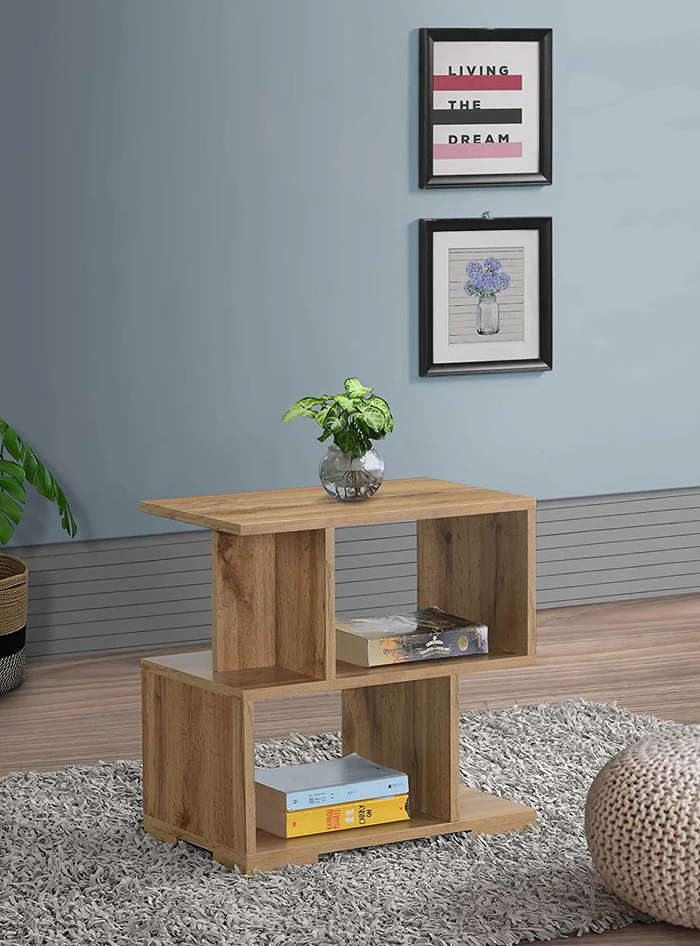
Books are a simple yet effective way to style your centre table. They add height, structure, and personality to your arrangement. Choose books with attractive covers or neutral tones that complement your interior design.
Stack two or three books neatly and place a decorative item, such as a candle or a small sculpture, on top. This layering technique is widely used by designers to create depth and visual interest.
You can also select books based on your interests, such as travel, fashion, or art, to reflect your personality and spark conversation.
Incorporate Natural Elements
Bringing nature into your living room is a timeless design approach. Adding natural elements like fresh flowers, indoor plants, or even a bowl of decorative stones can make your centre table feel more inviting and lively.
A vase with fresh flowers instantly brightens up the space, while a small potted plant adds a touch of greenery and freshness. If you prefer low-maintenance options, consider artificial plants that look realistic and require no upkeep.
Natural elements help soften the overall look and create a warm, welcoming atmosphere.
Play with Heights and Textures
A professionally styled centre table always includes a mix of heights and textures. This prevents the arrangement from looking flat or monotonous.
For instance, you can pair:
- A tall vase with flowers
- A medium-height candle holder
- A low decorative tray
Combining different materials such as glass, wood, metal, and ceramic also adds richness to the design. The contrast between textures makes the arrangement more dynamic and visually appealing.
Use a Decorative Tray for Organization
A decorative tray is one of the easiest ways to style your centre table like a designer. It helps group items together and keeps the arrangement organized.
Place a tray in the center of the table and arrange your chosen items inside it. This not only creates a neat and structured look but also makes it easy to move everything at once when needed.
Trays come in various materials and finishes, such as wood, metal, or marble, allowing you to match them with your interior style.
Add Personal Touches
Your centre table should reflect your personality and style. Interior designers often include personal elements to make a space feel unique and lived-in.
You can add:
- A small photo frame
- A souvenir from your travels
- A favorite decorative object
These personal touches make your living room feel more authentic and inviting, rather than overly staged or generic.
Keep It Functional
While styling is important, functionality should never be compromised. Make sure there is enough space on the table for everyday use, such as placing a cup of tea or a remote control.
Avoid using items that are too large or fragile if the table is frequently used. Instead, choose practical décor that can withstand daily activity without being easily damaged.
A well-designed centre table strikes the perfect balance between beauty and usability.
Consider the Shape and Size of the Table
The shape and size of your centre table play a significant role in how you style it. A rectangular table allows for linear arrangements, while a round table works best with a central focal point.
For larger tables, you can create multiple small groupings instead of one large arrangement. For smaller tables, keep the décor minimal to avoid a cluttered look.
Always ensure that the styling complements the proportions of the table and the surrounding furniture.
Match the Overall Interior Theme
Your centre table styling should align with the overall theme of your living room. Whether your space is modern, traditional, minimalist, or eclectic, the décor elements should complement the existing design.
For example:
- A modern living room pairs well with sleek and minimal décor
- A traditional space looks best with classic elements like wooden trays and ornate vases
- A bohemian style can include colorful accessories and textured items
Consistency in design creates a harmonious and visually pleasing environment.
Update Your Styling Seasonally
Interior designers often refresh décor based on seasons or occasions. You can easily update your centre table styling to reflect different times of the year.
For instance:
- Use fresh flowers and light colors in spring
- Add candles and warm tones in winter
- Incorporate festive décor during holidays
This keeps your living space feeling fresh and dynamic throughout the year.
Final Thoughts
Styling your centre table like an interior designer does not require expensive décor or professional expertise. With a thoughtful approach and a few carefully chosen elements, you can transform your table into a stylish focal point that enhances your entire living room.
Focus on balance, simplicity, and functionality while incorporating personal touches that reflect your taste. By following these tips, you can create a centre table arrangement that is both elegant and practical—just like a professionally designed space.
With a little creativity and attention to detail, your centre table can become a true reflection of your style and elevate the overall ambiance of your home.