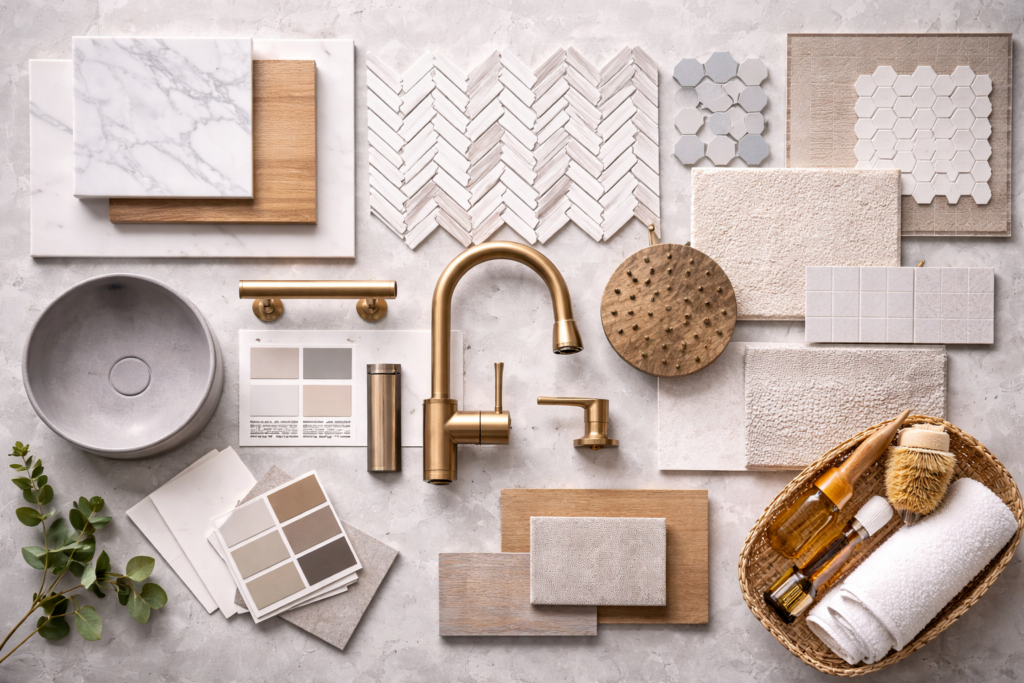
Bathroom renovations are among the most popular home improvement projects because they significantly improve both comfort and property value. However, choosing the right materials is one of the most important decisions homeowners must make during a bathroom renovation.
Bathrooms are exposed to moisture, humidity, and frequent use, which means materials must be durable, water-resistant, and easy to maintain. Selecting the wrong materials can lead to costly repairs, mold issues, or rapid wear and tear.
This guide explores the best materials for bathroom renovation, covering flooring, walls, countertops, cabinets, and other important components to help homeowners make informed decisions.
Why Choosing the Right Materials Matters in Bathroom Renovation
Bathrooms are unique spaces where moisture control and durability are essential. The materials used must withstand constant exposure to water and temperature changes.
Choosing high-quality renovation materials offers several advantages.
Durability
Proper materials ensure long-term durability and reduce maintenance costs.
Water Resistance
Waterproof materials prevent mold growth and structural damage.
Design Flexibility
Modern bathroom materials offer a wide range of design styles and finishes.
Increased Home Value
High-quality bathroom renovations can significantly increase property value.
Many homeowners planning major renovation projects consult professionals such as custom home builders toronto to ensure materials meet both design and structural standards.
Best Materials for Bathroom Flooring
Bathroom flooring must be durable, slip-resistant, and water-resistant.
Porcelain Tiles
Porcelain tiles are one of the most popular bathroom flooring options.
Benefits include:
- high durability
- water resistance
- stain resistance
- wide design variety
Porcelain tiles can mimic natural stone or wood while offering superior performance.
Ceramic Tiles
Ceramic tiles are another common choice for bathroom floors.
Advantages include:
- affordability
- easy maintenance
- diverse color options
They work well in both modern and traditional bathroom designs.
Natural Stone
Natural stone flooring such as marble or granite provides a luxury aesthetic.
However, stone requires regular sealing to maintain water resistance.
Waterproof Vinyl Flooring
Luxury vinyl flooring has become increasingly popular in modern bathroom renovations.
Benefits include:
- affordability
- water resistance
- easy installation
- comfortable underfoot feel
Many homeowners choose vinyl for budget-friendly bathroom renovations.
Best Materials for Bathroom Walls and Tiles
Bathroom walls require materials that resist moisture while maintaining visual appeal.
Ceramic Wall Tiles
Ceramic tiles are widely used for bathroom walls because they are easy to clean and maintain.
They are commonly used in:
- shower walls
- backsplashes
- decorative accent walls
Porcelain Tiles
Porcelain wall tiles offer stronger durability compared to ceramic tiles.
They are particularly suitable for shower areas due to their low water absorption.
Marble Tiles
Marble tiles provide a luxurious and elegant appearance.
However, they require proper sealing to protect against moisture damage.
Glass Tiles
Glass tiles create a modern and reflective surface that brightens bathroom interiors.
They are commonly used for decorative accents and backsplashes.
Best Countertop Materials for Bathrooms
Bathroom countertops must balance durability with aesthetics.
Quartz Countertops
Quartz is one of the most durable countertop materials available.
Advantages include:
- non-porous surface
- resistance to stains and moisture
- minimal maintenance
Quartz countertops are popular in modern bathrooms.
Granite Countertops
Granite offers a natural stone appearance with excellent durability.
It requires periodic sealing but provides a premium aesthetic.
Solid Surface Countertops
Solid surface materials such as Corian offer seamless designs and easy maintenance.
They are resistant to mold and bacteria growth.
Professionals from a construction company Brampton often recommend quartz or solid surface countertops for long-term durability in bathroom renovations.
Best Materials for Bathroom Cabinets and Vanities
Bathroom cabinets must withstand humidity while providing storage.
Plywood Cabinets
Plywood is one of the most durable cabinet materials.
It resists moisture better than particleboard.
MDF (Medium Density Fiberboard)
MDF is commonly used for painted bathroom cabinets.
It provides a smooth finish but should be properly sealed.
Solid Wood Cabinets
Solid wood offers natural beauty and long-lasting durability.
However, wood requires proper sealing to prevent moisture damage.
Waterproof and Moisture-Resistant Materials
Bathrooms require special materials that prevent water damage.
Common waterproof materials include:
- porcelain tiles
- waterproof vinyl flooring
- quartz countertops
- glass shower panels
- acrylic shower walls
These materials help maintain a clean and hygienic bathroom environment.
Large-scale renovation projects handled by a commercial construction company toronto often prioritize these moisture-resistant materials for long-term performance.
Budget vs Luxury Bathroom Materials
Bathroom renovations can vary significantly in cost depending on materials.
Budget-Friendly Materials
Affordable options include:
- ceramic tiles
- vinyl flooring
- laminate countertops
- MDF cabinets
These materials provide good performance at lower costs.
Luxury Bathroom Materials
High-end renovation materials include:
- marble tiles
- granite countertops
- custom wood cabinetry
- frameless glass showers
Luxury materials create a spa-like bathroom environment.
Tips for Selecting the Right Renovation Materials
Choosing the right bathroom materials requires careful planning.
Consider Moisture Resistance
Materials should be able to withstand humidity and water exposure.
Evaluate Maintenance Requirements
Some materials require more maintenance than others.
Match Design Style
Ensure materials complement the overall bathroom design.
Balance Budget and Quality
Invest in high-quality materials for areas exposed to heavy use.
Proper planning ensures your bathroom renovation remains both durable and visually appealing.
Conclusion
Selecting the best materials for bathroom renovation is essential for creating a durable, functional, and stylish space. From flooring and wall tiles to countertops and cabinets, each material plays an important role in the overall design and performance of the bathroom.
By choosing water-resistant materials, durable surfaces, and designs that match your style preferences, homeowners can create bathrooms that remain beautiful and functional for years.
With the right planning and expert guidance, bathroom renovations can transform outdated spaces into modern, comfortable, and long-lasting living environments.
FAQs
1. What is the most durable material for bathroom flooring?
Porcelain tile is widely considered the most durable bathroom flooring material. It is highly resistant to water, stains, and scratches, making it ideal for areas exposed to moisture. Porcelain tiles are also available in many designs, allowing homeowners to create stylish bathroom floors while maintaining durability.
2. Are natural stone materials good for bathroom renovations?
Yes, natural stone materials such as marble, granite, and slate are excellent choices for bathroom renovations because they provide a luxurious appearance and long-lasting durability. However, natural stone must be properly sealed to protect it from moisture and stains. Regular maintenance is necessary to maintain its appearance.
3. What countertop material works best in bathrooms?
Quartz countertops are among the best options for bathroom renovations because they are non-porous, resistant to stains, and require minimal maintenance. Unlike natural stone, quartz does not require sealing and provides consistent durability.
4. What materials prevent mold in bathrooms?
Materials such as porcelain tiles, glass panels, quartz countertops, and waterproof vinyl flooring help prevent mold growth. These materials do not absorb moisture easily and are simple to clean. Proper ventilation and waterproof installation are also important factors in preventing mold.
5. How can homeowners choose the right bathroom materials?
Homeowners should consider durability, water resistance, maintenance requirements, and design preferences when selecting bathroom materials. Consulting renovation professionals and reviewing material samples can help ensure the chosen materials meet both functional and aesthetic requirements.