Why She Matters in Hindu Culture
Laxmi Maa murti as she’s fondly called, holds a special place in Hindu homes and hearts. She stands for prosperity, wealth, beauty, and abundance—both material and spiritual. People everywhere pray to her for not just money, but happiness, peace of mind, and harmony in their relationships. Her blessings are supposed to spark success in business, improve family ties, and bring a certain tranquility that feels rare in today’s world.
Diwali, the festival of lights, is basically Laxmi Maa’s big night. Families clean their homes, decorate with rangoli and glowing lamps, hoping to welcome prosperity and ward off negativity. Many believe that keeping a lovely Laxmi Maa idol at home invites good fortune and positive energy.
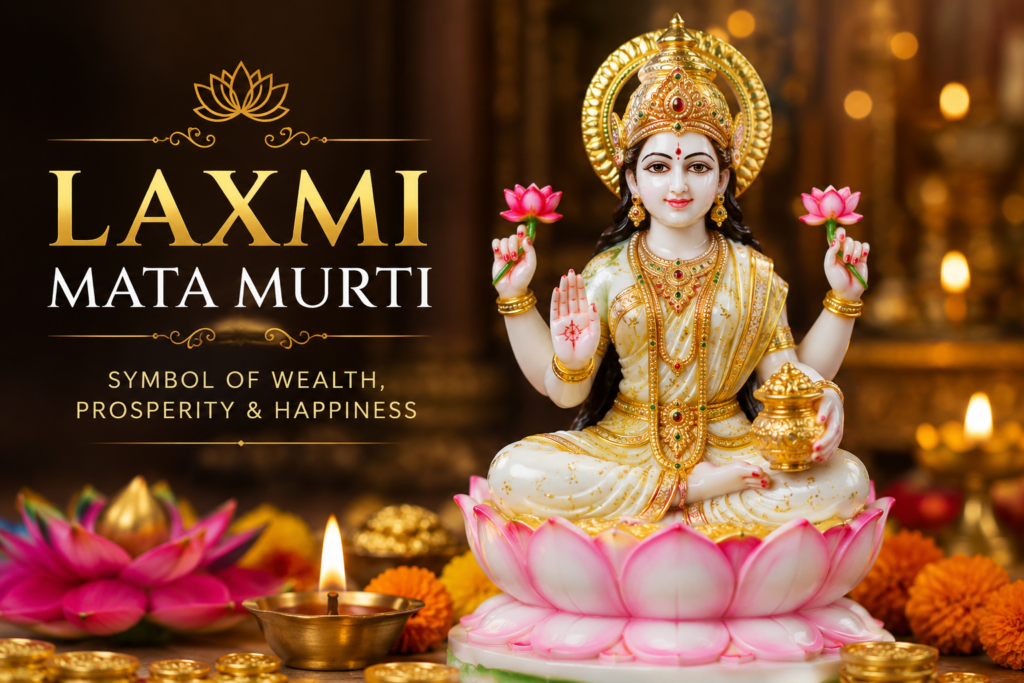
The symbolism runs deep. Picture her sitting gracefully on a blooming lotus—with gold coins streaming from her hands. It’s not just about literal wealth; it’s generosity, purity, growth. Elephants standing next to her? Those aren’t random. They mean strength, wisdom, and authority. Every detail of her idol tells a story and carries meaning that feels bigger than just art.
She’s Not Just About Money
Lakshmi represents much more than a full wallet. Ancient scriptures talk about ‘wealth’ as wisdom, inner peace, strong relationships, and emotional fulfillment. Imagine prosperity like a big tree: money is just the fruits above ground, but roots like gratitude, discipline, and harmony keep the tree standing tall. Worshipping Laxmi Maa reminds people to balance worldly success with spiritual health.
What’s a Laxmi Maa Murti?
- Religious Significance
A Laxmi Maa murti is more than just a statue on a shelf. It’s a sacred idol—crafted to embody the divine energy of the goddess herself. Artisans use marble, brass, silver, clay, wood, resin—you name it—to create these idols. Some are elaborate, brimming with detail and tradition, while others go for a modern, minimal look.
For many families, the murti becomes the heart of their home temple. Every morning, someone lights a diya, offers fresh flowers, and says a prayer. This ritual keeps a sense of calm in the house and, honestly, makes the day feel grounded. In Indian tradition, such idols aren’t mere “decor.” They’re symbols with emotional depth, linking families across generations and festivals.
Why People Worship Laxmi Maa
Families worship Laxmi Maa for prosperity, yes, but also for harmony and a hopeful atmosphere. Shop owners keep her idol hoping for a strong business. Newly married couples see her as a sign of new beginnings. It’s not just about money—praying to Laxmi Maa brings emotional comfort. It gives people a reason to pause, reflect, and feel connected to something bigger than themselves, especially in a world that’s always racing.
Different Types of Laxmi Maa Murti
- Marble Idols
Marble is arguably the top choice. It looks elegant and lasts forever if cared for. White marble, especially, feels pure and calm. Rajasthan’s marble murtis are famous—artists there carve expressive faces and delicate jewelry patterns that make each idol unique. Marble idols often find homes in temples and large home mandirs.
- Brass and Metal
Brass idols have an antique charm and can handle frequent rituals with water, incense, and oil. Right now in 2026, antique-finish brass idols are trending for interior decor—they tie spiritual meaning with a touch of luxury
- Wooden and Clay
Wooden idols bring warmth to a room. Some are painted in bright, detailed patterns. Clay idols shine during festivals—as they’re eco-friendly and easy to dissolve afterwards. With more people caring about sustainability, clay murtis are becoming popular for short-term worship.
- Silver and Gold-Plated
Silver and gold plating mean prestige. These idols are common gifts for weddings, housewarmings, or Diwali, and they look stunning in premium home temples.
The Benefits of Keeping a Laxmi Maa Murti
- Spiritual Positivity
Having Laxmi Maa close by is said to attract harmony and positivity. People feel calmer, less stressed, more balanced after praying in front of her idol. Rituals like lighting diyas and chanting mantras create a soothing energy against the chaos of everyday life. The murti acts as a small reminder to slow down and appreciate the good.
- Peace and Prosperity
Sure, Laxmi Maa is linked to financial growth. But her blessings are believed to cover healthy relationships, emotional stability, and good opportunities too. Think of your home as an energy field—cleanliness, positivity, and spiritual symbols together make it a happier, calmer place.
Best Placement for Laxmi Maa Murti
Vastu Advice
Vastu Shastra says the northeast corner is best for a Laxmi Maa murti. Have the idol face east or west, and devotees face north or east during prayers. The puja spot should be clean, uncluttered, and bright. A wooden platform (chowki) is a classic and auspicious choice.
Common Mistakes
Don’t place the idol directly on the floor, or near bathrooms and storerooms. Broken idols shouldn’t stay in the temple area.
Latest Murti Design Trends (2026)
Things are changing quickly. Customized marble idols with LED lighting, gold detailing, and fancy backdrops are getting popular. Compact idols—perfect for apartment living—are now everywhere in cities. Minimalism is in; sleek white marble idols are replacing traditional ornate designs in lots of modern homes.
Laxmi Maa Murti Prices in India
Marble Murti: ₹1,500 – ₹60,000+
Brass Idol: ₹800 – ₹25,000
Wooden Murti: ₹500 – ₹12,000
Clay Murti: ₹200 – ₹5,000
Silver-Plated Idol: ₹3,000 – ₹50,000
Prices depend on size, artistry, material, and craftsmanship.
Conclusion
A Laxmi Maa Murti isn’t just a beautiful statue. It stands for prosperity, hope, devotion, and tradition. Whether you choose marble, brass, wood, or silver, each idol holds a spiritual value that resonates deeply. Picking the right murti is all about personal taste, home style, and what you believe in. It can turn an ordinary corner into a peaceful space where prayers truly matter.
FAQs
- Which material is best for Laxmi Maa Murti?
Marble and brass remain the favorites—they mix durability with tradition.
- Can we keep Laxmi Maa Murti in the bedroom?
It’s best to place her idol in a dedicated prayer room or a clean, peaceful space.
- Is a sitting or standing Laxmi Murti better?
Sitting idols mean stability and peace; standing ones point to growth and movement.
- Can Laxmi Maa Murti be gifted?
Yes, it’s considered very auspicious—especially during festivals and special occasions.
Clean it regularly and gently, both for its looks and to show respect for its spiritual role.