Substation Engineering Design Explained: Full Technical Guide
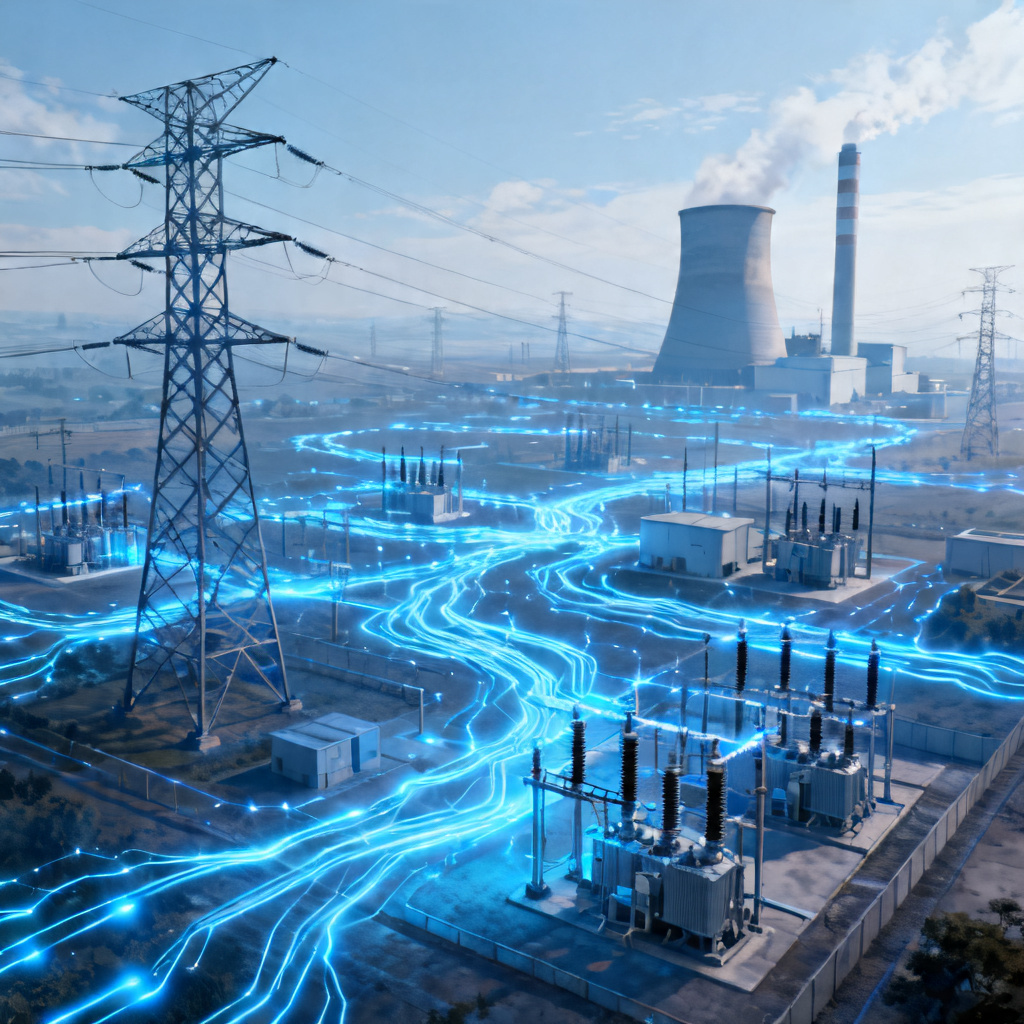
Electrical substations are the backbone of modern power systems. They ensure that electricity generated at power plants is safely transmitted, transformed, and distributed to end users. A well-planned substation is not just about installing equipment—it is a carefully engineered system that balances safety, reliability, cost efficiency, and long-term performance.
In this guide, we explore the complete process of electrical substation design, from planning and layout to protection systems and engineering best practices used in modern power infrastructure.
1. Understanding the Role of Substations in Power Systems
A substation acts as a critical node in the electrical grid. Its primary functions include voltage transformation, switching, protection, and control of power flow. Without substations, efficient long-distance power transmission would not be possible.
In modern infrastructure, substation engineering design plays a crucial role in ensuring stability and minimizing losses in power distribution networks. Whether it is a transmission substation or a distribution substation, each is designed to handle specific voltage levels and load requirements.
Substations are generally classified into:
- Transmission substations
- Distribution substations
- Switching substations
- Step-up and step-down substations
Each type requires a tailored engineering approach depending on system requirements and grid integration.
2. Key Phases of Electrical Substation Design
The electrical substation design process involves multiple engineering stages. Each stage ensures that the final system meets technical, safety, and operational standards.
Feasibility and Load Analysis
Engineers begin by evaluating load demand, future expansion possibilities, and grid connectivity requirements.
Conceptual Design
At this stage, basic system architecture is developed, including voltage levels, transformer capacity, and switching configuration.
Detailed Engineering
This phase involves finalizing equipment specifications, protection systems, grounding design, and civil structures.
Construction and Commissioning
Once the design is approved, the substation is constructed, tested, and energized under strict quality control procedures.
A well-structured approach to substation engineering design ensures reliability and long-term operational efficiency.
3. Electrical Substation Layout and Planning
The electrical substation layout is one of the most critical aspects of the design process. A properly planned layout ensures safe operation, easy maintenance, and efficient space utilization.
Key considerations in layout design include:
- Adequate clearance between high-voltage equipment
- Safe routing of cables and busbars
- Accessibility for maintenance crews
- Fire safety and emergency access paths
- Environmental and site constraints
Different layout configurations are used depending on system requirements, such as single busbar, double busbar, or ring bus configurations.
In modern projects, compact GIS (Gas Insulated Substations) are often used in urban areas where space is limited, while AIS (Air Insulated Substations) are preferred for outdoor installations with larger land availability.
A well-optimized electrical substation layout reduces operational risks and improves system reliability.
4. Major Equipment in Substation Engineering Design
A substation consists of several essential electrical and mechanical components that work together to control and distribute power.
Power Transformers
These are the core components responsible for stepping voltage up or down depending on system needs.
Circuit Breakers
They automatically interrupt fault currents to protect equipment and ensure system safety.
Busbars
Busbars distribute electrical power across different circuits within the substation.
Instrument Transformers
Current and voltage transformers provide measurement and protection signals to relays and control systems.
Protection Relays
These intelligent devices detect faults and trigger protective actions to isolate faulty sections.
Each component must be carefully selected during substation engineering design to ensure compatibility, efficiency, and durability.
5. Safety, Protection, and Grounding Systems
Safety is a fundamental aspect of any electrical substation design. Without proper protection systems, faults can lead to equipment damage, power outages, or even hazards to personnel.
Protection Systems
Modern substations use advanced relay-based protection schemes such as:
- Overcurrent protection
- Differential protection
- Distance protection
These systems quickly isolate faulty sections to minimize damage.
Grounding System
A proper grounding system ensures safe dissipation of fault currents into the earth. It protects both equipment and human life by controlling touch and step voltages.
Lightning Protection
Substations are equipped with lightning arresters and shield wires to protect against surges caused by lightning strikes.
Together, these safety systems ensure the reliability and resilience of the entire electrical network.
6. Best Practices in Modern Substation Engineering
Modern power systems require highly efficient, smart, and scalable substation designs. Engineers follow several best practices to achieve this:
- Use of digital monitoring and SCADA systems for real-time control
- Integration of smart grid technologies
- Designing for future expansion and load growth
- Minimizing energy losses through optimized layouts
- Ensuring compliance with international standards such as IEC and IEEE
Another important aspect is sustainability. Modern substations are increasingly designed to reduce environmental impact while improving operational efficiency.
By applying advanced substation engineering design principles, utilities can ensure long-term reliability and cost-effective power distribution.
Conclusion
Electrical substations are at the heart of every power system, ensuring safe and efficient electricity transmission and distribution. A successful project depends on careful planning, precise engineering, and adherence to safety standards.
From conceptual planning to final commissioning, every stage of electrical substation design plays a vital role in system performance. A well-executed design not only enhances reliability but also supports future energy demands and smart grid integration.
Whether it is a small distribution unit or a large transmission hub, a professionally developed electrical substation layout ensures operational stability and long-term efficiency in modern power networks.