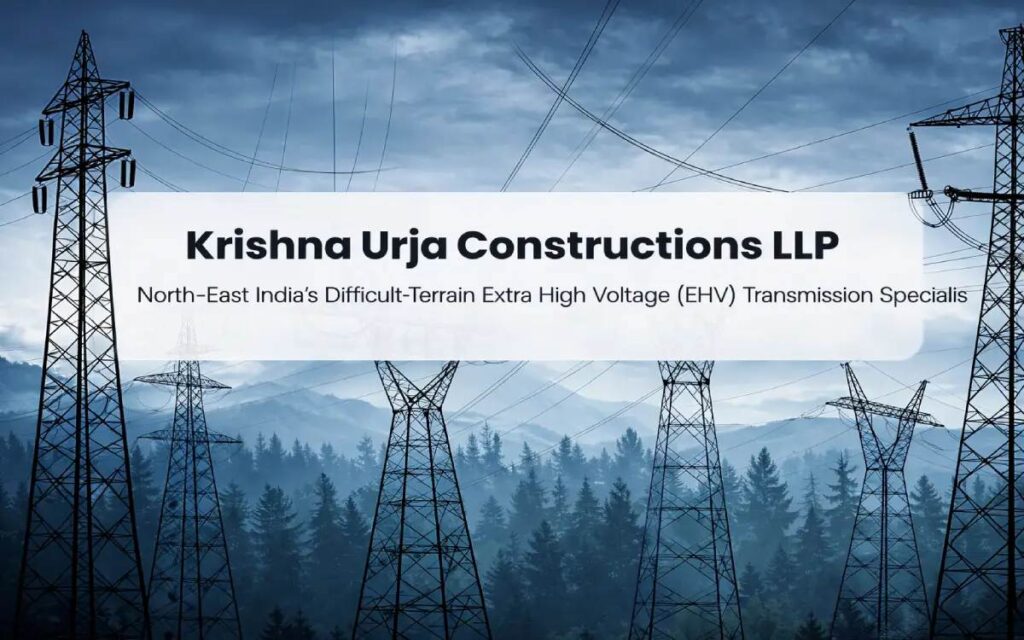
Electricity is one of the most important parts of modern life. It powers homes, offices, factories, hospitals, schools, and transportation systems. To deliver electricity safely from power generation stations to consumers, a strong and reliable transmission network is required.
Transmission Line EPC Services play an important role in developing these transmission networks. These services cover the complete process of planning, designing, procuring materials, constructing, testing, and commissioning transmission lines. By using a complete EPC approach, power projects are completed with better coordination, improved quality, and timely execution.
This article explains the major aspects of transmission line EPC projects, their importance, working process, benefits, challenges, and why they are essential for modern power infrastructure.
What Are Transmission Line EPC Services?
Transmission Line EPC Services refer to a complete project delivery model where one company handles every major stage of a transmission line project. The term EPC stands for:
- Engineering
- Procurement
- Construction
Instead of hiring different contractors for each activity, the project owner works with one EPC contractor who manages the entire project from start to finish.
This approach helps improve communication, reduces delays, controls costs, and ensures better project management.
Understanding the Engineering Stage
Engineering is the first and one of the most important parts of any transmission line project.
During this stage, engineers carefully study the project requirements and prepare technical plans.
Engineering activities generally include:
- Route survey
- Topographical survey
- Soil investigation
- Tower spotting
- Electrical system design
- Structural design
- Foundation planning
- Load calculations
- Safety analysis
Good engineering helps reduce future construction problems and improves the reliability of the transmission system.
Procurement of Materials
After completing the engineering design, the next stage is procurement.
Procurement means purchasing all the required materials and equipment for the project.
Common materials include:
- Transmission towers
- Steel structures
- Conductors
- Earth wires
- Insulators
- Tower accessories
- Hardware fittings
- Foundation materials
- Earthing materials
- Fasteners
The EPC contractor ensures that all materials meet required quality standards and are delivered on time.
Proper procurement prevents project delays and helps maintain construction schedules.
Construction of Transmission Lines
Construction is the stage where the actual transmission line is built.
This includes several field activities such as:
- Site preparation
- Foundation construction
- Tower erection
- Stringing of conductors
- Installation of insulators
- Earthing work
- Installation of accessories
Construction teams follow strict engineering drawings and safety procedures throughout the project.
Every stage is inspected carefully before moving to the next activity.
Route Survey and Planning
One of the most critical parts of transmission projects is selecting the correct route.
Engineers consider several factors while planning the route:
- Terrain conditions
- Forest areas
- Rivers
- Roads
- Railway crossings
- Existing utilities
- Residential areas
- Environmental impact
A well-planned route reduces construction costs and simplifies future maintenance.
Tower Design and Selection
Different transmission projects require different types of towers.
Tower selection depends on:
- Voltage level
- Terrain
- Wind conditions
- Span length
- Soil strength
- Crossing requirements
Common tower types include:
- Suspension towers
- Tension towers
- Angle towers
- Terminal towers
- River crossing towers
Proper tower selection improves safety and long-term performance.
Importance of Quality Materials
The quality of construction materials directly affects the life of a transmission line.
High-quality materials provide:
- Better strength
- Corrosion resistance
- Long service life
- Lower maintenance
- Improved electrical performance
Quality inspections are carried out before materials are used at the construction site.
Safety During EPC Projects
Safety is one of the highest priorities in transmission line construction.
Workers often operate:
- At great heights
- Near heavy machinery
- In remote areas
- Around electrical equipment
Safety measures include:
- Personal protective equipment (PPE)
- Safety training
- Risk assessments
- Emergency response plans
- Daily toolbox meetings
- Equipment inspections
Following safety guidelines helps reduce accidents and improve project efficiency.
Environmental Considerations
Modern transmission projects aim to reduce environmental impact.
Several environmental practices are followed:
- Careful route selection
- Controlled vegetation clearing
- Soil protection
- Waste management
- Water conservation
- Wildlife protection
- Restoration of affected land
Environmental compliance has become an important part of every EPC project.
Project Management in EPC Services
Large transmission projects involve many teams working together.
Effective project management includes:
- Planning
- Scheduling
- Budget monitoring
- Resource management
- Risk management
- Quality control
- Progress reporting
Project managers ensure every activity is completed according to schedule.
Importance of Testing and Commissioning
Construction is not the final step.
Before the transmission line becomes operational, several tests are conducted.
These include:
- Tower inspection
- Conductor inspection
- Earthing tests
- Insulator testing
- Line clearance verification
- Electrical testing
- Final quality inspection
After successful testing, the line is commissioned for commercial operation.
Advantages of Transmission Line EPC Services
There are many advantages of using an EPC model.
Single Point of Responsibility
One contractor manages the complete project, making communication easier.
Better Coordination
Engineering, procurement, and construction teams work together efficiently.
Faster Project Completion
Integrated planning reduces delays.
Improved Cost Control
Better project management helps control expenses.
Higher Quality
Standardized processes improve construction quality.
Better Risk Management
Potential risks are identified and addressed early.
Types of Transmission Line Projects
Transmission line EPC contractors work on many different projects.
These include:
- High-voltage transmission lines
- Extra-high-voltage transmission lines
- Inter-state transmission projects
- Renewable energy evacuation lines
- Industrial power transmission
- Utility expansion projects
- Grid strengthening projects
Each project has unique engineering and construction requirements.
Equipment Used During Construction
Many specialized machines are used during transmission line construction.
Examples include:
- Cranes
- Excavators
- Hydraulic pullers
- Hydraulic tensioners
- Concrete mixers
- Drilling machines
- Survey equipment
- Winches
- Tower erection tools
Modern equipment improves safety, speed, and accuracy.
Common Challenges in Transmission Projects
Transmission projects often face several challenges.
Difficult Terrain
Mountain regions, forests, rivers, and remote locations increase construction complexity.
Weather Conditions
Heavy rainfall, storms, and extreme temperatures can affect construction schedules.
Material Transportation
Transporting heavy towers and equipment to remote sites requires careful planning.
Land Acquisition
Obtaining required land approvals may take time.
Environmental Regulations
Projects must comply with environmental laws and government regulations.
Experienced EPC contractors prepare detailed plans to overcome these challenges.
Importance of Skilled Workforce
Transmission line construction requires trained professionals.
The workforce includes:
- Civil engineers
- Electrical engineers
- Structural engineers
- Surveyors
- Safety officers
- Welders
- Tower erection teams
- Stringing specialists
- Quality inspectors
- Project managers
Skilled workers improve project quality and safety.
Modern Technologies Used in EPC Projects
Technology has improved transmission line construction significantly.
Some commonly used technologies include:
Drone Surveys
Drones quickly capture route information and reduce survey time.
GPS Mapping
GPS helps improve route accuracy.
GIS Technology
Geographic Information Systems support better planning and documentation.
Digital Project Monitoring
Software helps monitor progress in real time.
Advanced Survey Instruments
Modern survey equipment provides highly accurate measurements.
These technologies increase efficiency while reducing errors.
Importance of Maintenance After Commissioning
Even after construction is complete, regular maintenance is necessary.
Routine maintenance includes:
- Tower inspection
- Conductor inspection
- Vegetation management
- Corrosion checks
- Insulator cleaning
- Earthing inspection
Preventive maintenance improves system reliability and reduces unexpected failures.
How EPC Services Support Power Infrastructure
Strong transmission networks are essential for economic growth.
Reliable transmission infrastructure supports:
- Residential electricity supply
- Industrial development
- Commercial operations
- Healthcare facilities
- Educational institutions
- Transportation systems
- Renewable energy integration
Without dependable transmission lines, electricity generated at power plants cannot reach consumers efficiently.
Choosing a Reliable Transmission EPC Contractor
Selecting the right EPC contractor is an important decision.
Some important factors include:
- Technical expertise
- Experienced engineering team
- Strong project management
- Quality assurance systems
- Safety standards
- Skilled workforce
- Modern construction equipment
- Timely project delivery
- Regulatory compliance
- Successful project experience
A capable EPC contractor contributes significantly to project success.
Future of Transmission Line EPC Services
The power sector continues to expand due to growing electricity demand and renewable energy development.
Future transmission projects are expected to focus on:
- Smart grid integration
- Digital monitoring systems
- Higher-capacity transmission lines
- Improved environmental sustainability
- Advanced construction technologies
- Better safety practices
- Faster project execution
- Efficient asset management
As countries continue investing in modern power infrastructure, EPC services will remain an important part of transmission network development.
Conclusion
Modern power systems depend on well-planned and efficiently executed transmission networks. From engineering and procurement to construction, testing, and commissioning, Transmission Line EPC Services provide a complete solution for building reliable power transmission infrastructure. They improve project coordination, enhance quality, ensure safety, and support timely completion of complex projects.
Organizations such as Krishna Urja Constructions LLP contribute to the development of strong transmission infrastructure by delivering professionally managed EPC solutions. With experienced teams, quality-focused processes, and efficient project execution, they help strengthen the power sector and support the growing demand for reliable electricity transmission across different regions.