Contractors are getting more careful about what they put on their machines. Not because they suddenly got picky. Equipment costs more, labor costs more, and nobody wants an attachment sitting on a trailer for 10 months of the year.
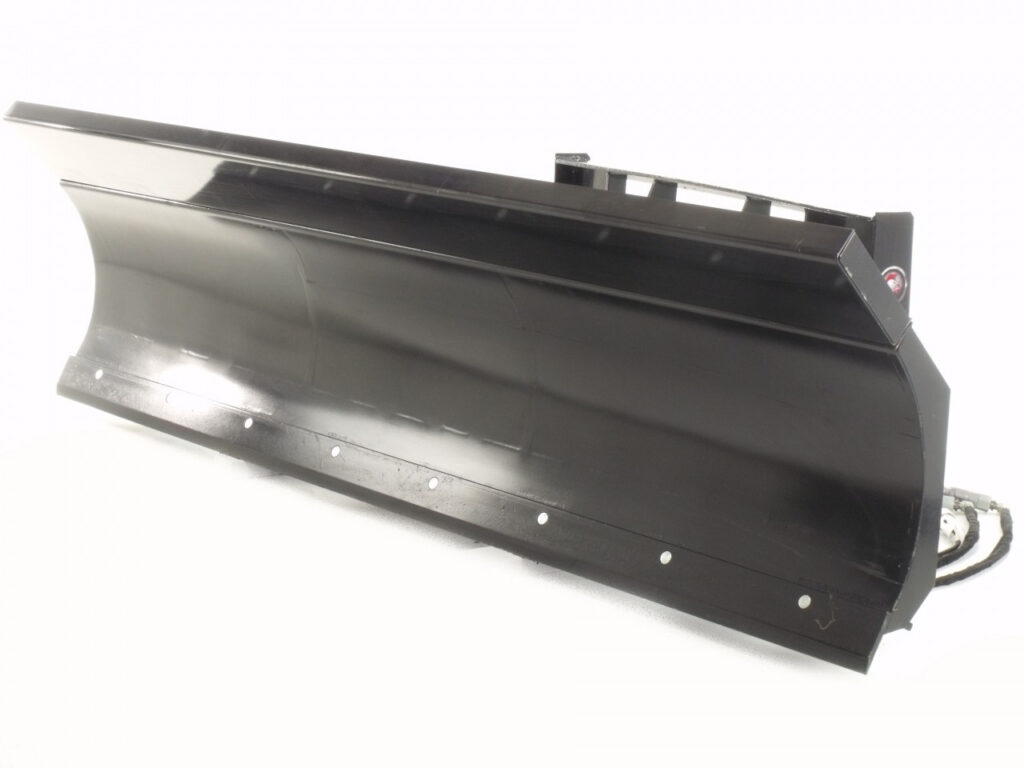
That’s one reason the skid steer blade attachment has become more interesting for contractors looking for one tool that can handle several types of work. Instead of buying a separate blade for every little job, a multi-angle setup gives operators more ways to use the same machine.
And in 2026, that flexibility matters. A lot.
Why Single-Purpose Blades Are Starting to Feel Limiting
Single-purpose attachments still have their place. If you do one specific job every day, a specialized tool can be exactly what you need.
But most contractors don’t work that way.
One day you’re grading a driveway. Next, you’re pushing snow. Then you’re cleaning up a jobsite or shaping material around a commercial property. Different jobs, same machine.
That’s where a fixed blade starts feeling restrictive.
You can still get the work done, sure. But you’re making the operator work around the attachment instead of the other way around.
A multi-angle blade changes that.
What Makes a Multi-Angle Blade Different?
The basic idea is pretty simple.
Instead of keeping the blade locked in one position, the operator can adjust its angle depending on what the job requires.
That can make a big difference when:
- Pushing material to one side
- Grading uneven surfaces
- Clearing snow from roads or lots
- Shaping soil and aggregate
- Cleaning ditches and edges
- Moving loose debris
You’re not buying six different blades. You’re getting more flexibility from one attachment.
That’s the real selling point.
One Attachment, More Jobs
This is probably the biggest reason contractors are paying attention to multi-angle blades.
Imagine a contractor handling site preparation, landscaping, and snow removal. A single-purpose blade may work great for one of those jobs and be just okay for the others.
A multi-angle blade gives that contractor more room to work.
Need to push material straight ahead? Keep it straight.
Want to windrow material to the side? Change the angle.
Working along an edge or slope? Adjust the blade instead of constantly repositioning the entire machine.
Those little changes don’t sound huge until you’re doing them for eight hours.
Then they matter.
Better Control Can Mean Less Machine Movement
This is an underrated advantage.
Operators sometimes spend a lot of time repositioning the skid steer because the attachment isn’t sitting at the right angle.
That burns fuel. It takes time. And it adds unnecessary wear.
A properly designed multi-angle skid steer blade attachment can reduce some of that movement because the blade itself can be adjusted to match the task.
You still have to operate the machine correctly, obviously. The attachment isn’t going to do the thinking for you.
But it gives the operator more control.
And good operators know that control is where productivity comes from.
Snow Removal Is a Good Example
Snow work makes the difference pretty obvious.
A straight blade can push snow forward. That’s fine.
But when you’re clearing parking lots, access roads, driveways, or long commercial lanes, being able to angle the blade helps move snow where you actually want it.
Instead of pushing a pile straight ahead until you run out of room, you can direct material off to the side.
That means fewer passes in some situations.
And fewer passes means less time sitting in the machine while the clock keeps running.
Landscaping and Grading Work Also Benefit
Landscapers and site contractors deal with changing ground conditions constantly.
You may be spreading material in one section, smoothing an area in another, then cleaning the edge of a property.
A multi-angle blade gives you more control over how material moves across the surface.
It can be useful for:
- Final grading
- Light site preparation
- Gravel spreading
- Dirt movement
- Surface cleanup
It’s not a replacement for every grading attachment. Don’t get carried away.
But for contractors who need a versatile blade for everyday work, it can cover a lot of ground.
Versatility Is Becoming More Important for Equipment Owners
There’s a bigger trend happening here.
Equipment owners want attachments that earn their space.
Nobody wants to spend thousands of dollars on something that only gets used a handful of times each year unless the work justifies it.
That’s why buyers increasingly compare different options when looking for the best skid steer attachments.
They’re asking different questions now.
Not just, “How heavy is it?”
More like, “How many jobs can I use this for?”
That’s a better question, honestly.
Does a Multi-Angle Blade Replace Every Other Attachment?
No.
And anybody telling you that is selling too hard.
A multi-angle blade is versatile, but there are still jobs where a dedicated attachment makes more sense.
Heavy excavation? Use the right digging tool.
Large-scale land clearing? You’ll probably want a dedicated cutter or mulcher.
Fine grading on demanding sites? A specialized grading attachment may give you better results.
The point isn’t to replace every attachment in your yard.
The point is to get more work from one machine and one attachment when the application fits.
What Contractors Should Check Before Buying
Not every multi-angle blade is built the same.
Before buying one, look at the basics first.
Check the blade construction. Look at the mounting system. Make sure the hydraulic requirements match your skid steer if the blade uses hydraulic adjustment.
Also pay attention to overall weight.
A blade that’s too heavy for your machine can hurt performance. A lightweight blade that isn’t built for your workload can bend or wear quickly.
Neither is a good deal.
Companies like Spartan Equipment understand that attachment buyers aren’t just looking for something that looks good in a product photo. Contractors need equipment that can handle actual work, sometimes pretty ugly work.
The Cost Question
Yes, a multi-angle blade may cost more than a basic fixed blade.
But price isn’t the whole equation.
If one attachment can handle several applications, you have to look at the cost per use. If it saves you from buying another attachment later, or helps finish certain jobs faster, that difference starts looking smaller.
There’s also the storage issue.
Every contractor knows attachments take up space. Too many attachments and suddenly your yard looks like a scrapyard with a credit card.
Not ideal.
A versatile attachment can help keep that collection under control.
FAQ: Multi-Angle Skid Steer Blade Questions
What is a multi-angle skid steer blade used for?
It can be used for grading, snow removal, material spreading, surface cleanup, light site preparation, and other applications where changing the blade angle helps control material.
Is a multi-angle blade better than a straight blade?
It depends on the job. A multi-angle blade offers more flexibility, while a straight blade can be a better choice for contractors who mainly perform one type of work.
Can a multi-angle blade be used for snow removal?
Yes. Angling the blade can help push snow toward the side instead of forcing the operator to move everything straight ahead.
Are multi-angle blades suitable for contractors?
They can be a strong option for contractors who handle different jobs throughout the year and want one attachment with several practical uses.
What should I check before buying a skid steer blade attachment?
Check machine compatibility, attachment weight, blade construction, mounting system, hydraulic requirements, adjustment range, and the type of work you expect it to handle.
Why This Matters in 2026
The equipment market has changed.
Contractors are looking harder at productivity, versatility, and total ownership cost. Buying an attachment just because it looks heavy-duty isn’t enough anymore.
The attachment has to earn its keep.
That’s why multi-angle blades make sense for certain operators. They give the machine more flexibility without requiring a completely different setup every time the job changes.
And when you’re building a lineup of the best skid steer attachments, versatility is hard to ignore.
Final Thoughts
A single-purpose blade isn’t bad equipment. It’s just limited equipment.
If you have one very specific job and do it constantly, that may be exactly what you need.
But for contractors, landscapers, farmers, municipalities, and equipment owners who deal with different jobs throughout the year, a multi-angle blade can make a lot more sense.
The ability to change direction, control material, reduce repositioning, and handle different applications gives one attachment a lot more value.
That’s really why contractors are looking at the skid steer blade attachment differently in 2026.
Not because it replaces every other tool.
Because sometimes the smartest attachment is the one that doesn’t sit around waiting for its one special job.