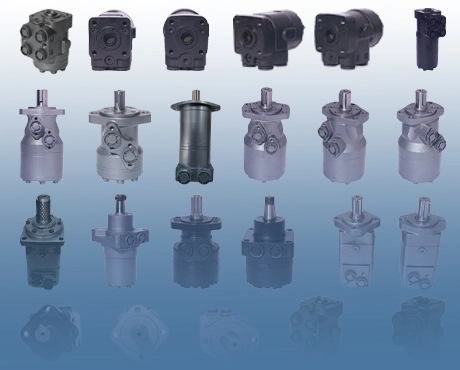
Material selection has a major influence on the strength, durability, weight, and corrosion resistance of hydraulic components. Because hydraulic parts often operate under high pressure and repeated mechanical loads, the material must be appropriate for both the component’s function and its working environment.
A knowledgeable hydraulic components manufacturer considers factors such as pressure, temperature, wear, corrosion, hydraulic fluid compatibility, and manufacturing requirements when selecting materials. Understanding the most common materials can help buyers evaluate products and identify suitable options for different applications.
Carbon Steel
Carbon steel is widely used for hydraulic components because it offers a practical balance of strength, machinability, and cost. It can be manufactured into many different shapes and sizes and is suitable for numerous general-purpose applications.
Carbon steel is commonly found in hydraulic cylinders, fittings, manifolds, mounting components, and other pressure-related parts.
Because untreated carbon steel can be susceptible to corrosion, protective coatings or surface treatments may be required when components are exposed to moisture or harsh environments.
Alloy Steel
Alloy steel contains additional elements that can improve specific mechanical properties. Depending on its composition and treatment, it can provide increased strength, hardness, toughness, or wear resistance.
These characteristics make alloy steel useful for components exposed to heavy loads and repeated stress. Applications may include high-strength cylinder rods, shafts, pins, and other mechanically demanding parts.
Heat treatment can further modify the material’s properties to suit a particular application.
Stainless Steel
Stainless steel is valued for its resistance to corrosion and ability to maintain performance in challenging environments. It can be useful where hydraulic equipment is exposed to moisture, chemicals, salt, or other corrosive conditions.
Common applications include hydraulic fittings, valves, tubing, and specialized components used in outdoor, marine, food-processing, or chemical environments.
Different stainless steel grades offer different combinations of corrosion resistance, strength, and machinability, so grade selection should be based on the actual operating conditions.
Aluminum
Aluminum is significantly lighter than many steel alternatives. Its relatively low weight makes it useful when equipment designers want to reduce overall system weight.
Aluminum can be used for hydraulic manifolds, reservoirs, housings, and certain low- to moderate-pressure components.
Its suitability depends on the specific alloy, design, pressure requirements, and operating environment. It may not be the appropriate choice for every high-load or high-pressure application.
Cast Iron
Cast iron offers good compressive strength, wear resistance, and vibration-damping characteristics. It has traditionally been used in various hydraulic and industrial applications.
Its properties can make it suitable for pump housings, valve bodies, and other components where rigidity and durability are important.
However, cast iron is generally heavier than aluminum and may require appropriate protection against corrosion depending on the environment.
Copper and Copper Alloys
Copper and copper alloys are valued for their electrical and thermal conductivity as well as their corrosion resistance in certain environments.
Brass and bronze are examples of copper alloys that can be used in fittings, connectors, bushings, and other hydraulic applications.
Material compatibility should always be considered because hydraulic fluids and surrounding materials can influence long-term performance.
Engineering Plastics
Not every hydraulic component needs to be made from metal. Engineering plastics can provide useful properties such as low weight, chemical resistance, low friction, and dimensional stability.
They may be used for seals, guides, backup rings, wear rings, protective components, and selected low-load applications.
The specific polymer must be compatible with the hydraulic fluid, temperature range, pressure, and mechanical conditions.
Rubber and Elastomer Materials
Elastomers are essential for sealing hydraulic systems. O-rings, seals, gaskets, and other flexible components help prevent fluid leakage and keep contaminants out.
Common elastomer families include nitrile rubber, fluorocarbon rubber, polyurethane, and other specialized materials.
The right choice depends on factors such as hydraulic fluid type, temperature, pressure, movement speed, and exposure to chemicals. A seal that works well in one system may not be suitable for another.
Ceramic and Specialized Materials
Certain specialized hydraulic applications may use ceramic or other advanced materials where extreme hardness, wear resistance, insulation, or chemical resistance is required.
These materials are generally selected for specific engineering challenges rather than standard hydraulic applications.
Their higher cost and specialized manufacturing requirements mean that they should be used where their particular properties provide a meaningful performance advantage.
Surface Treatments and Coatings
The base material is only one part of hydraulic component durability. Surface treatments can improve corrosion resistance, hardness, friction characteristics, or wear resistance.
Common approaches may include plating, nitriding, hardening, painting, and specialized protective coatings.
For example, a cylinder rod may require a durable surface treatment to resist corrosion and repeated contact with seals.
How Material Selection Affects Hydraulic Performance
Material selection can influence several aspects of component performance, including:
- Pressure resistance
- Wear and fatigue life
- Corrosion resistance
- Component weight
- Temperature tolerance
- Sealing performance
- Manufacturing cost
These factors are interconnected. A material that provides excellent strength may be heavier or more expensive, while a lightweight option may have different limitations under high loads.
Good engineering therefore focuses on the complete application rather than selecting a material based on a single property.
Considering Hydraulic Fluid Compatibility
Hydraulic fluid compatibility is particularly important for seals, hoses, coatings, and polymer components. Different fluids can interact differently with materials and may cause swelling, hardening, cracking, or other forms of deterioration.
Before selecting a material, engineers should consider the specific hydraulic fluid being used along with its temperature and operating conditions.
This is one reason why material specifications should be reviewed together with the complete hydraulic system design.
Material Selection for Different Environments
The working environment can strongly influence material requirements. A component used indoors may have very different needs from one operating outdoors, underground, or near saltwater.
For harsh environments, engineers may prioritize corrosion resistance, abrasion resistance, sealing durability, and protective surface treatments.
In mobile equipment, weight and vibration may also be important considerations. Industrial systems may place greater emphasis on continuous operation and temperature management.
Balancing Performance and Cost
The most advanced material is not necessarily the best choice for every hydraulic component. Material selection should balance technical performance with manufacturing complexity and total cost.
Using a premium material where it provides no meaningful benefit can increase expenses unnecessarily. On the other hand, selecting a low-cost material that cannot withstand the application may lead to premature replacement and higher maintenance costs.
A suitable material should meet the required performance specifications while remaining practical to manufacture and maintain.
Conclusion
Hydraulic components can be manufactured from a wide range of materials, including carbon steel, alloy steel, stainless steel, aluminum, cast iron, copper alloys, engineering plastics, and elastomers. Each material offers different properties that make it suitable for particular applications.
The right choice depends on pressure, load, temperature, hydraulic fluid, corrosion exposure, wear, and other operating conditions. By evaluating these factors together, manufacturers and equipment designers can select materials that provide an appropriate balance of reliability, performance, durability, and cost.