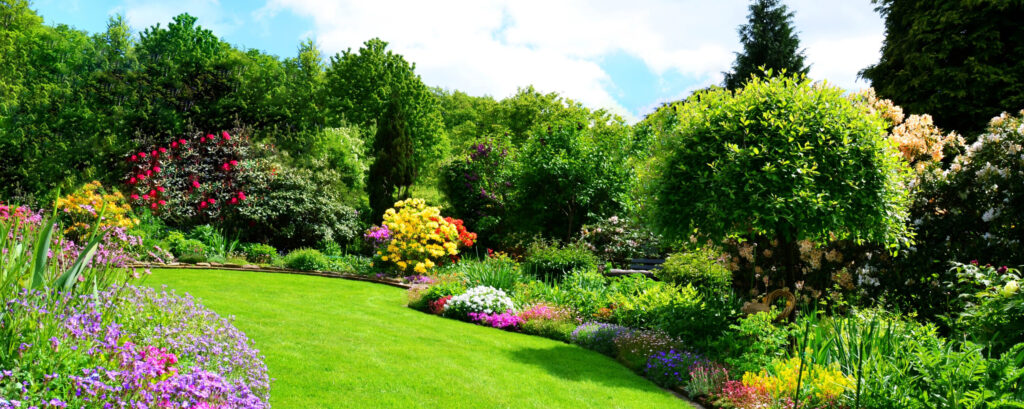
A beautiful landscape can change the look and even the value of the property to a very high degree, but for such a transformation, just planting some flowers and putting down new sod will not be enough. Often, people who try to improve their gardens find themselves on the brink of making serious mistakes that can lead to high costs, problems with plant health and drainage, and other difficulties. Although many people consider professional landscaping expensive, it is sometimes better than doing it oneself, because there are many mistakes one can make when trying to design one’s own garden.
The following article will discuss the most common landscaping mistakes and how to avoid them.
Choosing Plants That Are Unsuitable for the Climate
One of the biggest landscaping problems is choosing plants according to their looks without taking into account such factors as the local climate, type of soil, as well as sunlight needs. The attractive flowers or shrubs may find it difficult to survive in an area that is inappropriate for their development and may end up suffering or being replaced again and again. A good landscaping company takes into consideration all unique features of your garden. It knows about the season changes, watering schedule, and maintenance needs, making sure that each plant will have all chances to thrive and flourish.
Ignoring Proper Drainage Planning
The lack of proper drainage is usually neglected while landscaping, but it may bring about considerable harm to the lawn, garden, foundation, and other outdoor constructions. The presence of stagnant water will promote root rotting, mosquitoes, and soil erosion. Experienced landscapers make sure to examine the incline, water flow, and type of soil on the territory prior to starting any landscaping work.
They use appropriate drainage options, which may include grading, a French drain, dry creek, or other drainage systems, which will lead the water to safer places. Good drainage will not only protect your landscaping investment, but will also contribute to plants’ health and the safety of construction near your house.
Planting Trees Too Close to Structures
Homeowners frequently do not take into account just how big trees can grow, resulting in poor placement that causes issues in the long run. Trees planted too near houses, driveways, fences, or utility lines have the potential to damage foundations, raise sidewalks, cover up gutters, and disrupt utility lines by spreading their roots.
Well-versed landscapers plan for the mature size of each and every tree prior to choosing where they will be planted. Planning ahead means no future damage to structures while giving the trees the space to grow normally. Correct tree placement results in efficient shading, improved aesthetics, energy savings, and a well-designed landscape that lasts for years to come.
Overcrowding Plants and Garden Beds
It is quite simple to fill the garden beds with several different flowers, shrubs, and ornamental plants to give an instant lush look to the garden. Yet, overloading will cause restricted airflow, increased competition for food, higher chances of fungus infection, and make maintenance even more difficult. Experienced landscape designers have sufficient knowledge about appropriate spacing of plants depending on their mature size, not the current one.
The landscapes created by professional landscapers have enough space to allow natural growth of plants along with looking nice in all seasons. Moreover, spacing helps in making pruning, irrigation, fertilization, and insect control easier for the plants.
Neglecting Soil Preparation Before Planting
The right soil is essential when landscaping to ensure good results. However, in many do-it-yourself projects, it seems like many people do not do any testing or soil preparation and assume the soil is ready to accommodate the newly planted vegetation. This is risky since there may be problems with compaction, nutrient deficiency, pH level, or lack of organic materials.
In seasoned landscaping, the first step involves testing the soil to determine how to best prepare it using compost, soil amendments, fertilizers, or even aerating. By doing this, a conducive growth environment is created and aids in growing healthy roots and foliage. Soil preparation is crucial since it greatly increases the chances of survival of plants and lowers future expenses.
Wrapping Up
Good landscaping goes well beyond simply selecting beautiful flowers or other attractive elements for a garden. Planning, site assessment, drainage plans, soil preparation, plant selection, and proper maintenance all go into creating a good-looking and healthy environment outdoors. The prevention of common mistakes in landscaping helps you save money and protect your property value in addition to having a nice-looking garden.
Professional landscaping services in Eagle County take into account both practical and aesthetic sides to create a great-looking outdoor space that will work just fine during any season of the year. Both remodeling existing gardens and landscaping from scratch will be done by experts for sure.