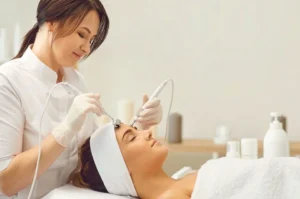
A visit to a medical spa can be an opportunity to address skin concerns, explore cosmetic treatments, or refresh your appearance. However, knowing what to expect before booking can help you make a safer, more confident decision. If you are searching for the Best Medical Spa, look beyond attractive treatment menus and promotional offers. Understanding provider qualifications, available procedures, potential risks, pricing, and aftercare will help you choose a facility that prioritizes your health as well as your aesthetic goals.
What Is a Medical Spa?
A medical spa, often called a med spa, combines certain cosmetic treatments with a clinical approach to skincare and appearance-related concerns. Unlike a traditional day spa, which typically focuses on relaxation and nonmedical services, a medical spa may offer procedures that require medical training, clinical oversight, or prescription products.
Depending on the facility, services may include chemical peels, microneedling, laser treatments, injectable products, and other aesthetic procedures. Some locations also offer medical-grade skincare consultations and treatments designed to improve the appearance of uneven skin tone, fine lines, acne scars, or unwanted hair.
However, the services available vary considerably between facilities. Not every medical spa offers every procedure, and the term itself does not guarantee a particular standard of care.
Before scheduling an appointment, understand which treatments are provided, who performs them, and what medical supervision is available. These details matter more than the appearance of the facility or the number of services listed on its website.
Check the Credentials of Your Treatment Provider
One of the most important steps before visiting a medical spa is verifying the qualifications of the person who will perform your procedure. Cosmetic treatments can range from relatively simple skincare services to medical procedures involving needles, prescription medications, lasers, or controlled skin injury.
Ask Who Will Perform the Procedure
Do not assume that the person conducting your consultation will also perform your treatment. Ask whether the procedure will be carried out by a physician, nurse practitioner, physician assistant, registered nurse, esthetician, or another professional.
Each role has different training, legal responsibilities, and permitted scope of practice. Requirements also vary by state and procedure. A provider’s job title alone does not establish that they are qualified or legally authorized to perform every treatment a facility advertises.
For medical procedures, ask about relevant training, experience with your specific concern, and the medical professional responsible for oversight when applicable.
Verify Licenses and Medical Oversight
In the United States, professional licensing is generally regulated at the state level. Depending on the provider’s role, you may be able to verify credentials through a state medical board, nursing board, or other professional licensing authority.
Ask how the facility handles complications and whether a qualified medical professional is available when needed. You should also understand who will assess your suitability for treatment and who will provide follow-up care.
A reputable facility should answer these questions clearly. If staff avoid discussing credentials or pressure you to proceed without an appropriate assessment, consider another provider.
Understand Which Treatment Fits Your Skin Concerns
A medical spa may offer several procedures that appear similar on a menu but work in different ways. Choosing a treatment based on your specific concern, skin characteristics, medical history, and expectations is more useful than selecting the most heavily advertised option.
Facials and Chemical Peels
Medical-grade facials may involve professional cleansing, exfoliation, extractions, or targeted skincare products. They can support a skincare routine, although results depend on the techniques used and the condition being treated.
Chemical peels use solutions to exfoliate the skin at different depths. Depending on the formulation and strength, they may help improve uneven pigmentation, certain types of acne, rough texture, and fine lines.
Peels can also cause irritation, prolonged redness, pigment changes, or scarring, particularly when performed improperly or used on unsuitable skin. Ask about the peel’s strength, expected recovery period, and whether it is appropriate for your skin tone and medical history.
Microneedling and Laser Procedures
Microneedling uses fine needles to create controlled punctures in the skin. It may help improve the appearance of acne scars, skin texture, and some signs of aging. Temporary redness and swelling are common, while infection, scarring, and pigmentation changes are possible complications.
Laser and light-based treatments serve different purposes. Certain devices target unwanted hair, visible blood vessels, pigmentation, or signs of sun damage. Other technologies may be used for skin resurfacing.
Device type, settings, operator experience, and skin tone all influence the suitability and risk of a procedure. Ask how the provider adapts treatment to your skin and whether a test spot is appropriate. A consultation should include a discussion of realistic outcomes rather than a promise of flawless skin.
Injectable Treatments
Some medical spas offer botulinum toxin injections and dermal fillers. These products are not interchangeable: botulinum toxin temporarily reduces the activity of selected muscles, while fillers add volume or alter facial contours.
Both require careful assessment and appropriate training. Possible complications include bruising, swelling, asymmetry, and infection. Rare but serious filler complications include blocked blood vessels that can damage tissue or affect vision.
Before receiving an injectable treatment, ask which product will be used, whether it is authorized for the intended purpose, who will administer it, and what emergency procedures are in place. Never agree to an injection if the provider cannot identify the product or explain its risks.
Compare Medical Spa Services Before Booking
The following table can help you prepare questions for a consultation. It outlines common treatment categories, their potential uses, and considerations to discuss with a qualified provider.
| Treatment | Common purpose | Important consideration |
|---|---|---|
| Professional facial | Cleansing, exfoliation, and skin maintenance | Check product ingredients and suitability for sensitive skin |
| Chemical peel | Improve selected concerns involving texture, acne, or pigmentation | Ask about peel depth, downtime, and pigmentation risks |
| Microneedling | Improve the appearance of certain scars and uneven texture | Confirm sterile technique, device suitability, and aftercare |
| Laser or light treatment | Address selected concerns such as hair growth or pigmentation | Ask about skin-tone suitability, eye protection, and operator experience |
| Botulinum toxin injections | Temporarily soften selected expression lines | Verify the product, injector qualifications, and possible side effects |
| Dermal fillers | Add volume or improve facial contours | Discuss vascular risks, emergency management, and reversal options where applicable |
These are general descriptions, not treatment recommendations. The right option depends on your goals and individual circumstances. Some concerns may respond better to a dermatologist’s assessment or a different treatment altogether.
Review Your Medical History Before the Appointment
A thorough consultation should include questions about your health, current medications, allergies, previous procedures, and skincare routine. These details help the provider identify potential contraindications, which are circumstances that may make a treatment unsuitable or increase its risks.
For example, certain medications can increase bruising or skin sensitivity. Active skin infections, a history of abnormal scarring, recent sun exposure, and some skin conditions may affect whether or when a procedure should be performed.
Pregnancy, breastfeeding, immune-related conditions, or a history of cold sores may also influence treatment decisions, depending on the procedure and product involved.
Be honest about your medical history, even if a question seems unrelated to appearance. Do not stop prescribed medication simply to qualify for a cosmetic treatment. Instead, discuss your concerns with the appropriate healthcare professional.
You should also disclose recent cosmetic procedures, including treatments performed at another facility. Combining treatments too closely together can sometimes increase irritation or complicate recovery.
Know the Costs and What the Price Includes
Pricing is another factor to review before choosing a medical spa. The advertised cost may cover only the procedure itself, while consultation fees, follow-up visits, skincare products, or maintenance appointments may be charged separately.
Ask for a written estimate that explains what is included. If the treatment typically requires multiple sessions, request the expected total cost rather than comparing only the price of one visit.
Also consider whether the provider recommends maintenance treatments and how frequently they may be needed. Results vary, and some procedures require repeat appointments to maintain their effects.
Be cautious about unusually low prices, high-pressure sales tactics, or offers that encourage you to purchase multiple treatments before a proper assessment. A discount does not automatically indicate poor quality, but it should never replace questions about safety, credentials, and product authenticity.
A reasonable treatment plan should fit your budget without creating pressure to undergo unnecessary procedures.
Understand Downtime, Side Effects, and Aftercare
Every cosmetic treatment has its own recovery requirements. A gentle facial may involve little or no downtime, while a deeper peel, laser procedure, or injectable treatment may require more careful monitoring.
Before booking, ask how your skin is likely to look and feel afterward, when you can return to work or exercise, and which activities you should temporarily avoid. If you have an important event coming up, discuss the timing well in advance.
Ask for Written Aftercare Instructions
Your provider should explain how to care for the treated area and which products or activities to avoid. Depending on the procedure, recommendations may include gentle cleansing, appropriate moisturization, sun protection, and avoiding irritating skincare ingredients until the skin has recovered.
Do not assume that stronger products or more frequent cleansing will speed up results. Overusing exfoliants, retinoids, or other active ingredients after certain treatments can increase irritation.
Make sure you know whom to contact if symptoms become concerning. Mild redness or swelling may be expected after some procedures, but worsening pain, spreading redness, fever, skin discoloration, or other unusual symptoms warrant prompt medical advice.
After filler injections, sudden severe pain, unusual skin whitening or discoloration, or any visual symptoms require immediate medical assessment because they may indicate a serious complication.
Recognize the Signs of a Trustworthy Medical Spa
A professional environment should make you feel informed rather than rushed. Staff should be willing to discuss benefits, limitations, alternatives, and potential complications without promising perfect results.
Look for a facility that:
- Provides clear information about provider credentials and medical oversight.
- Conducts an appropriate consultation before recommending treatment.
- Explains risks, realistic outcomes, and alternatives.
- Uses identifiable products and appropriate infection-control practices.
- Obtains informed consent before performing a procedure.
- Provides written aftercare instructions and a way to request follow-up help.
- Respects your decision to postpone or decline treatment.
The facility should also explain what happens if you experience an adverse reaction. For procedures with serious potential complications, ask about its emergency response arrangements and referral process.
Clean surroundings and friendly service are useful, but they cannot substitute for clinical standards. Likewise, attractive before-and-after photographs should not be treated as a guarantee of your own results. Images may reflect different skin types, lighting conditions, treatment plans, or recovery periods.
Prepare Questions for Your First Consultation
You do not need to understand every technical detail before visiting a medical spa. However, arriving with a few specific questions can help you evaluate whether a proposed treatment makes sense for you.
Consider asking:
- What is the main benefit this treatment may provide for my concern?
- Who will perform the procedure, and what training do they have?
- What are the most relevant risks for my skin type and medical history?
- Are there less invasive alternatives?
- How many sessions might be needed, and what is the estimated total cost?
- What downtime should I expect?
- What results are realistic, and how long might they last?
- Who should I contact if I experience a complication?
Pay attention to how the provider responds. Clear explanations, reasonable expectations, and time for questions are positive signs. You should never feel obligated to proceed simply because you have paid a consultation fee or arrived for an appointment.
A trustworthy professional will help you understand your options, even when the best recommendation is to delay treatment or seek an evaluation from a dermatologist or another qualified medical specialist.
Conclusion
Choosing a medical spa requires more than finding a convenient location or an appealing treatment package. The most important factors are qualified providers, appropriate medical oversight, honest discussions about risks, transparent pricing, and clear aftercare instructions. Take time to understand your options, share your medical history, and ask questions before agreeing to a procedure. Remember that effective aesthetic care should prioritize your health and individual needs rather than promise unrealistic results. Whether you are considering a facial, laser treatment, microneedling, or injectables, a careful consultation can help you make a more informed decision and approach your treatment with confidence.
Frequently Asked Questions
1. How is a medical spa different from a regular spa?
A regular spa generally focuses on relaxation and nonmedical services, such as massages and basic facials. A medical spa may offer cosmetic procedures involving medical devices, prescription products, or injections. Its services and oversight arrangements vary, so verify provider qualifications and applicable state requirements before booking.
2. Should I consult a doctor before visiting a medical spa?
You should receive an appropriate assessment from a qualified professional before undergoing a medical aesthetic procedure. Some treatments may require evaluation by a physician or another authorized medical provider. If you have a medical condition, take prescription medication, or have concerns about a skin problem, consult the appropriate healthcare professional before proceeding.
3. How do I know whether a medical spa is safe?
Check the credentials of the person performing your treatment, ask about medical oversight, and confirm that the facility follows suitable hygiene and infection-control practices. A safe provider explains potential complications, obtains informed consent, and gives you clear aftercare instructions. Avoid facilities that pressure you into treatment or refuse to answer reasonable questions.
4. How much does a medical spa treatment cost?
Costs depend on the procedure, provider, location, number of sessions, and products used. A facial may cost considerably less than an injectable or laser procedure. Ask for a written estimate covering consultations, follow-up visits, maintenance sessions, and any additional fees so you can understand the likely total expense.
5. Can I return to my normal activities immediately after treatment?
That depends on the procedure. Some treatments involve minimal downtime, while others can cause redness, swelling, peeling, or temporary sensitivity. Ask your provider when you can resume exercise, apply makeup, use active skincare products, or spend time in the sun. Follow the recommended recovery instructions and seek prompt medical advice if you develop concerning symptoms.