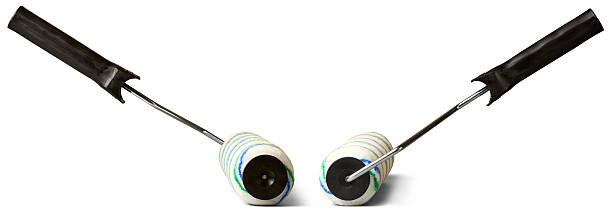
Painting a wall seems simple enough. Grab a roller, dip it in paint, and get moving. But things can go sideways pretty quickly when the roller cover doesn’t suit the surface. You might end up with rough patches, visible lines, uneven colour, or paint splattered across places it shouldn’t be. And then you’re spending extra time fixing a problem that could have been avoided. Even something as basic as choosing 4 inch paint roller covers for smaller areas requires a little thought about the surface, paint type, and finish you’re after. The roller isn’t just a tool for spreading paint. It affects how much paint gets picked up, how smoothly it goes on, and what the finished wall actually looks like.
1. Uneven Coverage Becomes a Common Problem
One of the first things you’ll notice with the wrong roller cover is uneven coverage. Some sections look fine, while others appear thin, patchy, or slightly different in colour. This often happens when the cover doesn’t hold enough paint for the surface being painted. A short-nap roller, for instance, may struggle on a textured wall because it can’t reach into all the small dips and grooves. On the other hand, a thick, fluffy cover on a smooth wall can leave too much paint behind. You end up going over the same area repeatedly, which doesn’t always help. Sometimes it makes things worse. Getting an even finish starts with matching the roller nap to the wall, not just choosing whatever cover happens to be lying around.
2. The Wrong Nap Can Ruin the Finish
Roller nap refers to the thickness of the fabric covering the roller. It’s a small detail, but it makes a real difference. Smooth drywall and finished plaster usually work well with a short nap, often around 1/4 inch to 3/8 inch, depending on the paint and surface. Lightly textured walls may need something closer to 3/8 inch or 1/2 inch. Rough surfaces, such as textured masonry, often need a thicker nap to push paint into uneven areas. Use a thick cover on a perfectly smooth wall and you might see an unwanted stippled texture. Use a thin one on rough siding and you’ll miss recessed spots. Neither result is ideal. Before starting, run your hand over the surface and look at it from different angles. A little checking now saves a fair bit of frustration later.
3. Paint Splatter and Drips Can Waste Time
Ever finished rolling a wall only to find tiny paint droplets on the floor, furniture, or your clothes? The roller cover could be part of the problem. A thick or overly absorbent cover can carry more paint than you need, especially when it’s loaded too heavily. Roll too fast and that extra paint can fly off the roller. Poor-quality covers may also shed fibres, leaving little bits stuck in the wet finish. That’s annoying because removing them after the paint dries means sanding or touching up the area. The solution isn’t complicated. Choose a cover suited to the surface, load it evenly, and roll at a steady pace. Don’t drown the roller in paint and expect it to behave nicely. A decent cover helps, but technique still counts.
4. Extra Coats Can Increase Labour and Material Costs
Using the wrong roller cover doesn’t always create an obvious mess. Sometimes the problem is more subtle: the paint just doesn’t spread properly. A cover that holds too little paint forces you to reload constantly, while one that releases paint unevenly can leave thin areas that need another coat. That means more paint, more labour, and more time waiting for everything to dry. For a homeowner painting one bedroom, that’s frustrating enough. For a contractor handling several rooms or an entire property, those wasted hours can affect the whole schedule. Cheap covers may seem like an easy way to cut costs, but replacing them after a poor finish isn’t exactly saving money. It’s worth choosing the right tool before the first coat goes on.
5. Small Areas Need a Different Approach
Not every painting job calls for a standard nine-inch roller. Corners, narrow sections beside trim, cabinet panels, and tight spaces often need something smaller and easier to control. This is where 4 inch paint roller covers can be useful. They allow better handling in confined areas without dragging a full-size roller through places where it doesn’t fit properly. However, size alone isn’t enough. You still need the right nap and material for the job. A small roller with an unsuitable cover can leave the same streaks and texture problems as a larger one. For trim work and detailed sections, take your time and avoid pressing too hard. Smaller rollers are handy, but they won’t magically fix poor preparation or an overloaded cover.
6. Roller Material Makes a Difference Too
Nap length gets most of the attention, but the material covering the roller matters as well. Synthetic covers, commonly made from polyester or nylon blends, are widely used with water-based paints. Microfibre covers can hold paint well and release it evenly, making them useful for many smooth and lightly textured surfaces. Woven covers are another practical option for general painting work. Natural-fibre covers are often associated with oil-based coatings, though compatibility depends on the specific product. Always check the manufacturer’s recommendations rather than assuming every cover works with every paint. A cover that absorbs paint poorly or doesn’t release it consistently can make application harder than it needs to be. The right combination gives you better control, fewer visible marks, and a more consistent finish across the wall.
7. Match the Roller Size to the Workload
Roller size affects how quickly you can cover an area and how much control you have while doing it. A nine-inch roller is a common choice for walls and ceilings because it covers a decent amount of space without becoming too awkward to handle. Smaller rollers are better for narrow sections, while larger formats can help with broad surfaces when the painter is comfortable using them. If you’re working across several rooms, keeping the right replacement covers ready also helps avoid unnecessary interruptions. A paint roller refill 9 inch can be a practical option for standard wall painting, provided its nap and material suit the surface and coating. Don’t choose a refill based on width alone. A nine-inch cover designed for smooth drywall may not perform well on heavily textured plaster. Check the details before buying, because the wrong replacement can bring you straight back to the problems you were trying to avoid.
Conclusion: Choose the Cover Before You Start Painting
The wrong roller cover can cause patchy coverage, unwanted texture, splatter, extra coats, and a finish that looks rushed even when you’ve put in hours of work. Most of these problems are avoidable. Look at the surface, consider the type of paint, choose an appropriate nap, and use a roller size that gives you enough coverage without sacrificing control. It’s also sensible to keep a few suitable replacement covers on hand, particularly if you’re painting more than one room. Truth is, the roller cover might not seem like the most important part of the job, but it has a direct effect on the result. Choose it carefully at the beginning. Your walls, your schedule, and your paint budget will be better off for it.